
Last updated November 21, 2026
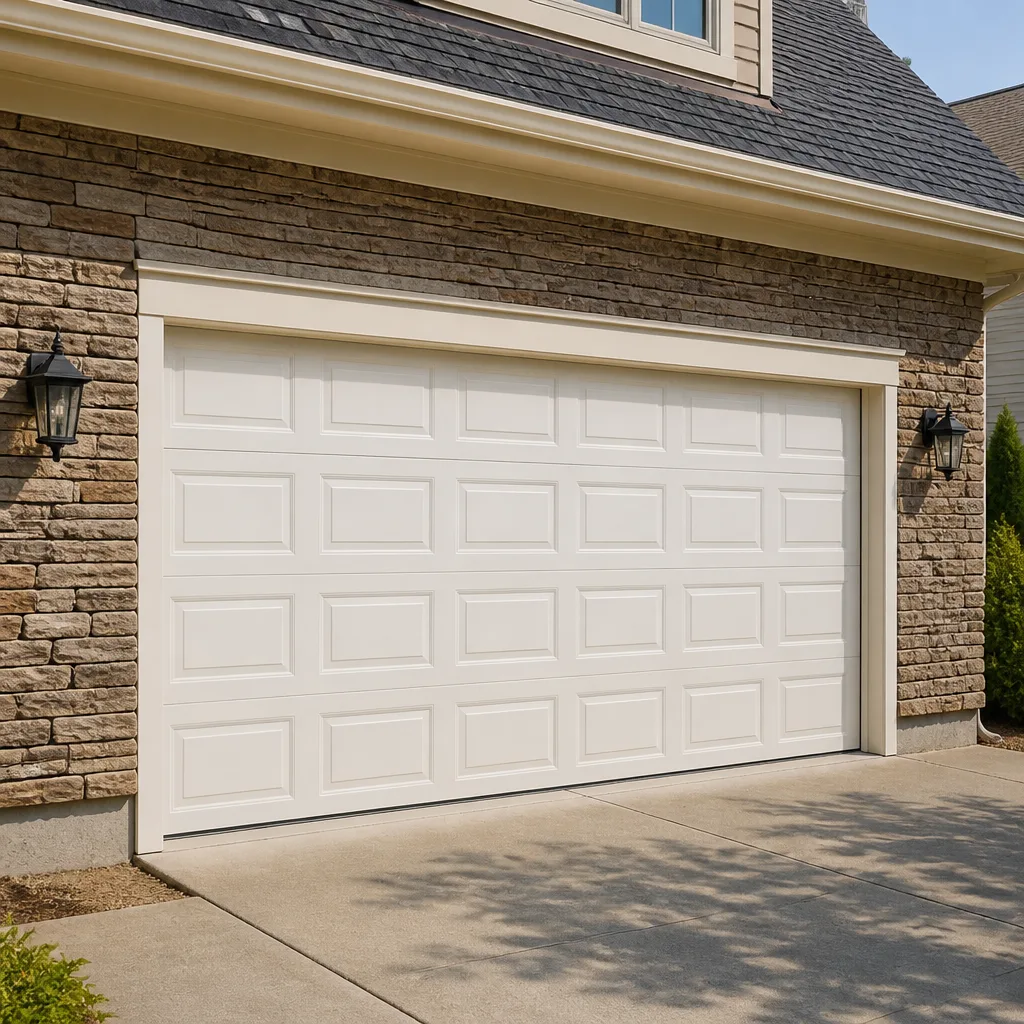 Raised-panel steel
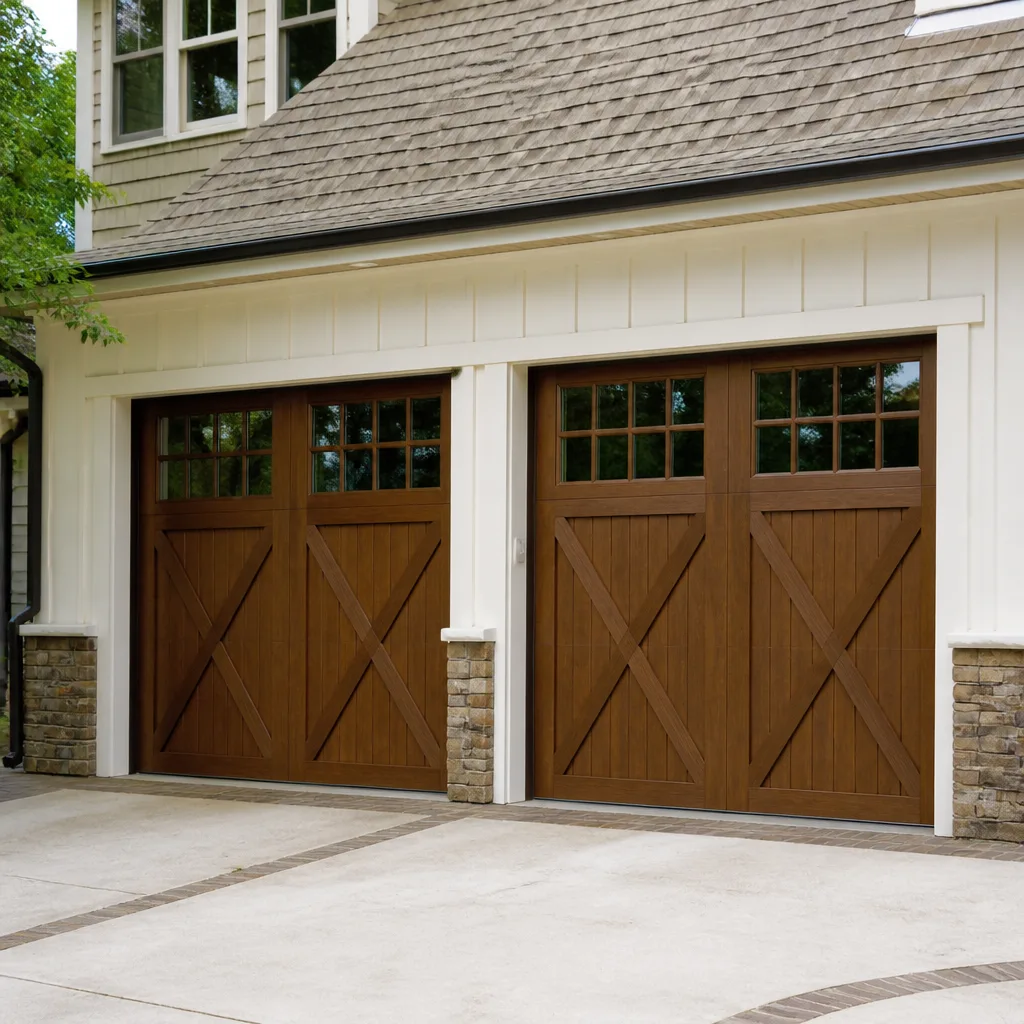 Carriage house
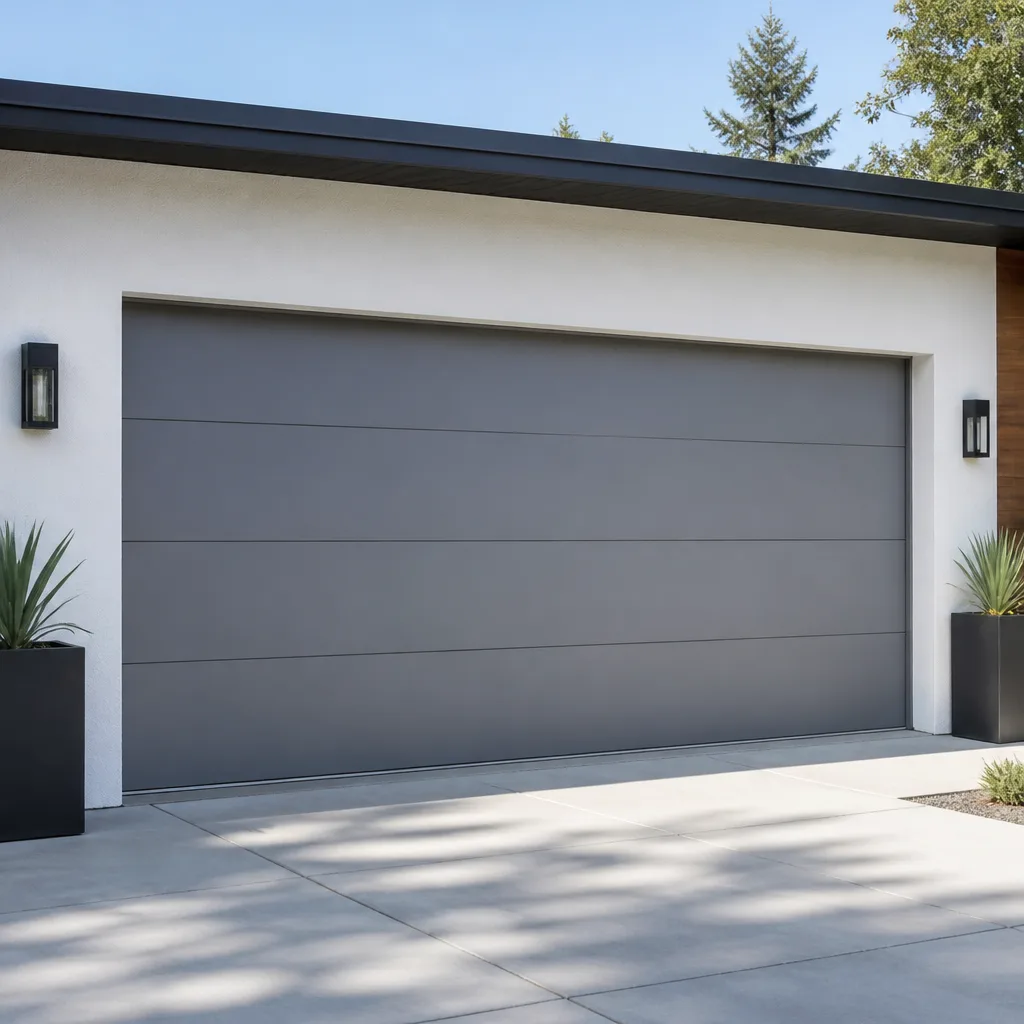 Modern flush
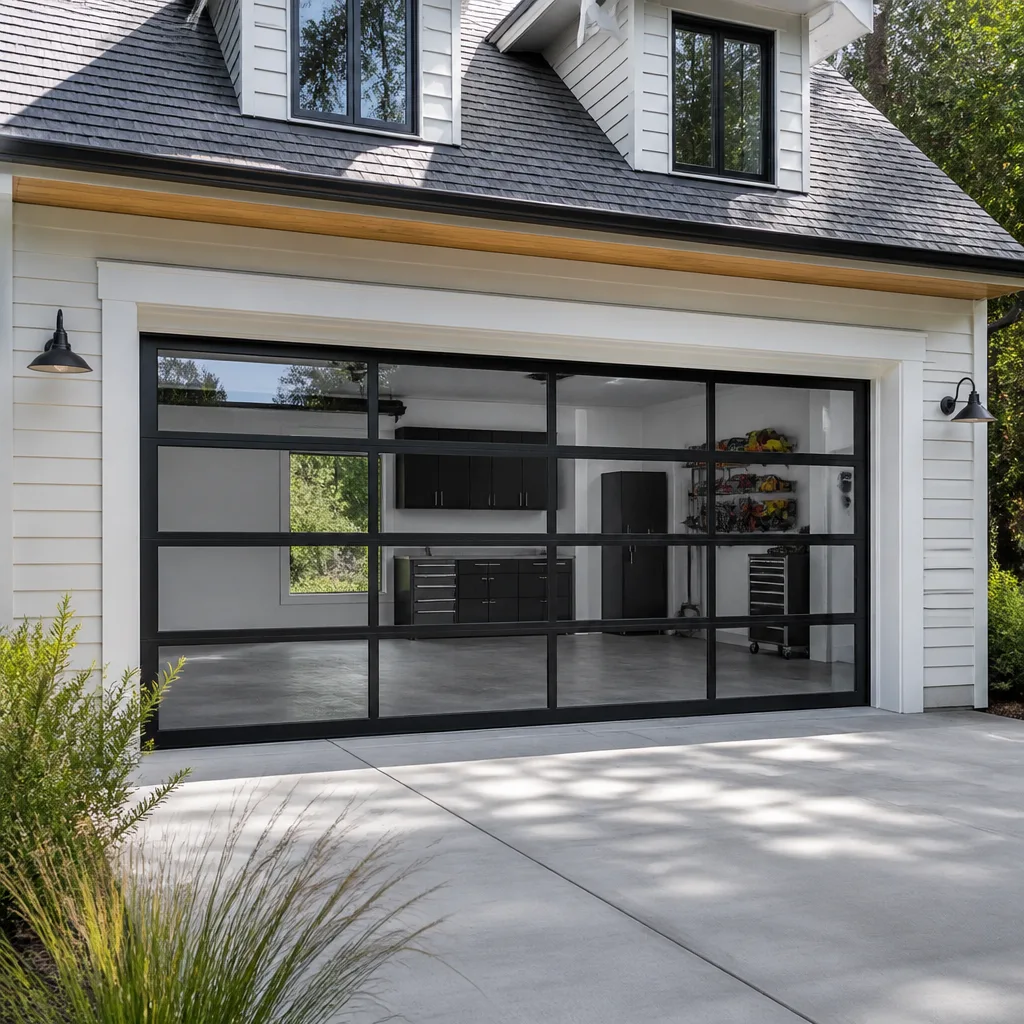 Full-view glass
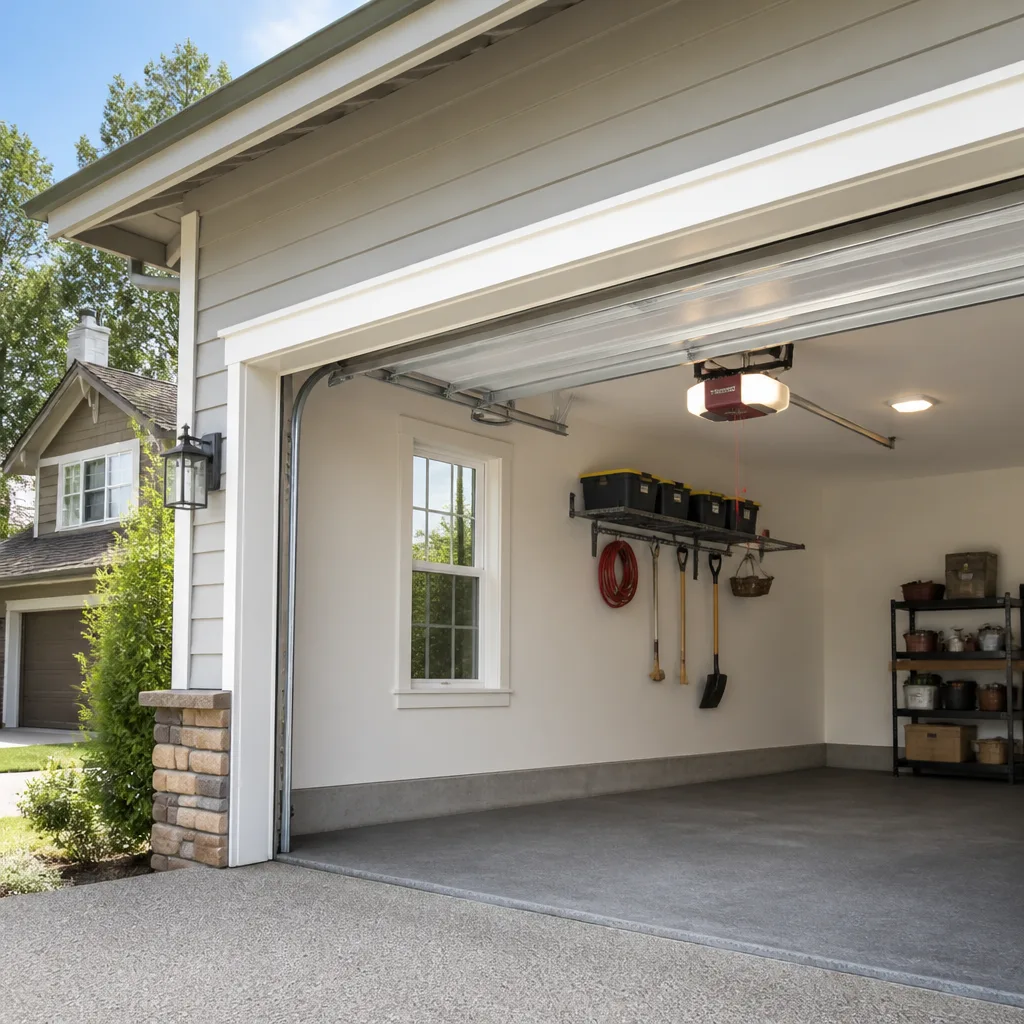 LiftMaster openers
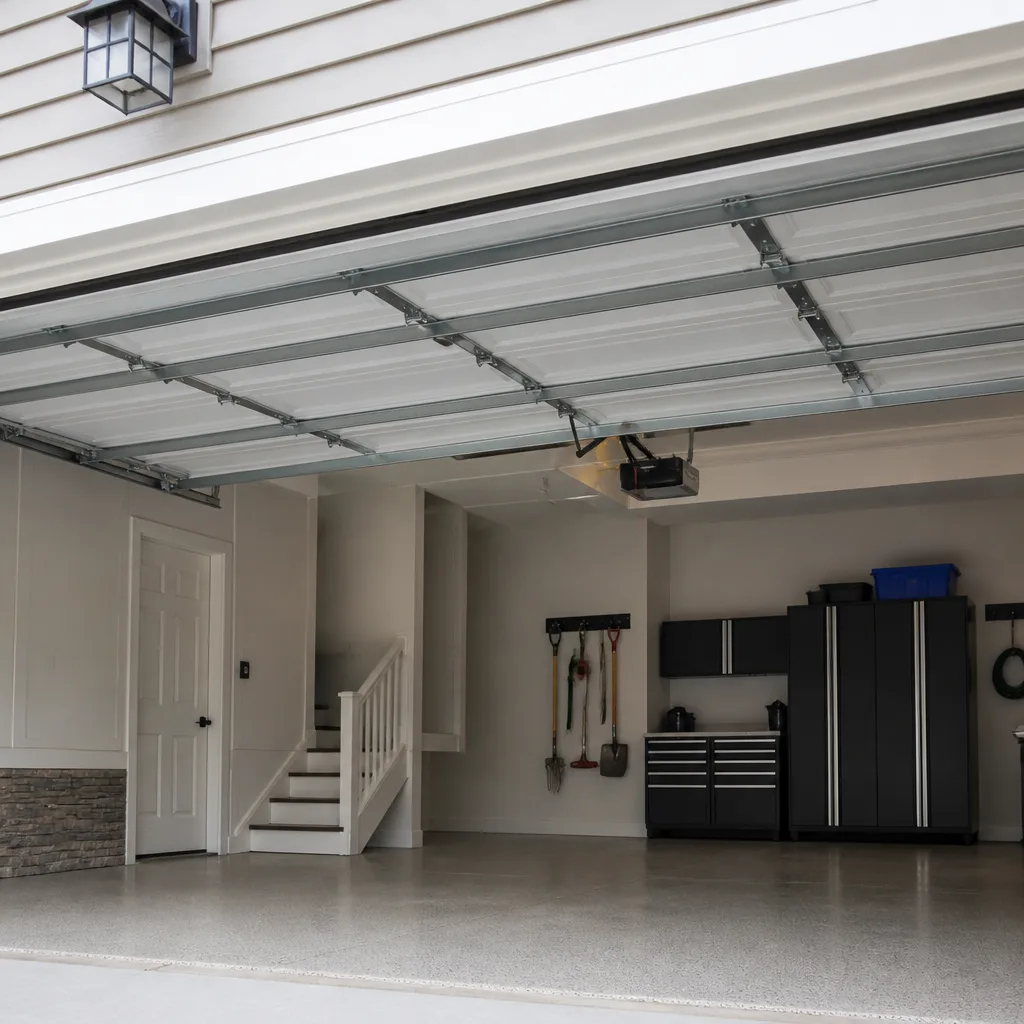 Chamberlain openers
Full 25-point door and opener safety check with every visit - springs, cables, rollers, tracks, and your LiftMaster or Chamberlain opener included
You get a price before we start. It does not change when the pro arrives.
Get your free estimateHow to Hire a Garage Door Contractor in Concourse: A Step-by-Step Guide
A contractor who only works with one brand will almost always recommend replacing your existing system rather than repairing it. Not because replacement is right for you, but because it’s the only job they know how to do. That’s the core of the hiring problem in Concourse: homeowners shop on price, when the real question is whether the person quoting can actually service the equipment hanging in their garage. A fifteen-year-old Chamberlain opener and a Genie screw drive demand different diagnostic work, and the technician who can’t tell them apart will default to the most expensive answer. This guide gives you the questions to ask, the red flags to watch for, the steps to verify a contractor in New York State, and what a legitimate written estimate should contain line by line.
Quick Answer
To hire a garage door contractor in Concourse, verify their general liability and workers’ compensation coverage directly with the insurer, ask which brands they service and which parts they stock, and require a written itemized scope before anyone touches the door. Book a contractor who can name your specific brand and drive system and who explains the repair option before the replacement option. If they push a new door before they’ve diagnosed yours, keep calling.
Styles & brands we work with
- Raised-panel steel
- Carriage house
- Modern flush
- Full-view glass
- LiftMaster openers
- Chamberlain openers
Table of Contents
- The Fix-vs-Replace Trap: What Single-Brand Dealers Do
- Five Diagnostic Questions to Ask Before You Book
- How to Verify Licensing and Insurance in New York State
- What a Legitimate Estimate Includes Line by Line
- Red Flags Specific to the NYC Metro Market
- Multi-Brand Specialist vs. Dealer Rep: Why It Matters
- Spring Work Is Safety Work: Questions to Ask
- What’s Different About Garage Doors in Concourse
The Fix-vs-Replace Trap: What Single-Brand Dealers Do
The most expensive mistake in hiring a garage door contractor isn’t overpaying for a repair. It’s paying for a replacement you didn’t need. The reason is structural: a dealer rep sells one brand, often one product line, and their compensation and their knowledge base lean toward the install. When your torsion spring snaps, a dealer rep may genuinely not know how to source the right gauge spring for your existing door, so the “solution” becomes a whole new door. That’s not dishonesty every time. It’s a limitation dressed up as a recommendation.
The problem compounds as equipment ages. A door installed with Clopay panels ten or fifteen years ago has plenty of service life left, but the dealer who now sells Amarr wants to quote a new Amarr door instead of finding the right hardware for yours. A multi-brand specialist works the other way: diagnose first, repair where repair makes sense, replace only when the panel is structurally compromised or the opener’s control board is obsolete.
Here in the north Bronx, we see this play out constantly on the housing stock in Concourse Village and along Grand Concourse, where older doors and older openers are still in daily service. Those doors are rarely at the end of their life. They need maintenance, a tune-up, a spring, a gear kit, or a logic board, not necessarily a full swap.
The tell is in the conversation. If a contractor starts by asking what you want to spend or what color new door you like, they haven’t diagnosed anything. If they start by asking what brand the opener is and whether the door is balanced when you lift it by hand, you’re dealing with someone who can actually fix it. Same door, fixed right, is the standard to hold them to.
Five Diagnostic Questions to Ask Before You Book
Ask these five questions on the phone before you book anyone. The answers separate a real garage door technician from a generalist looking to talk their way into your garage.
- “What brands do you stock parts for?” A serious answer names actual manufacturers, not “all brands.” You want to hear specific names and how they handle the ones they don’t carry. A contractor who works on Genie, Clopay, Amarr, Wayne Dalton, LiftMaster, Chamberlain, Craftsman, and Raynor systems should be able to talk about them fluidly, not recite a list.
- “Do you carry torsion spring stock on the truck?” Torsion springs come in a range of wire gauges and lengths, and the wrong gauge will fail early and dangerously. If a contractor can’t confirm they stock the common sizes, expect a second visit and a longer wait while they order.
- “How do you test door balance before and after?” A trained technician answers with a manual lift test and a travel-limit check. A vague answer means they don’t test, they just install or replace.
- “Will you put the scope and price in writing before work starts?” There’s exactly one acceptable answer: yes, signed and agreed up front. Anything softer is a warning.
- “Do you handle the opener and door, or just the door?” The opener and the door are two systems that have to work together. A contractor who only sells doors will give you a partial fix on a Genie or Chamberlain drive problem. Look for one who can serve the whole assembly, garage door opener repair and panel work included.
Ask a sixth if you’re already in a bind: “Can you diagnose this over the phone and tell me if it’s a spring, a cable, or the opener?” The technician who can narrow it down from a few questions is the one you want standing in your garage. Get these answers right and the rest of the process gets much easier.
How to Verify Licensing and Insurance in New York State
New York State doesn’t issue a single statewide garage door contractor license. Licensing in this trade is handled differently depending on where the work happens, which is exactly why so many homeowners in the metro area skip verification and get burned. In New York City, home improvement work falls under the Department of Consumer and Worker Protection, which requires a Home Improvement Contractor license for most residential jobs. In parts of the Bronx and nearby, the local building department or municipality may have its own registration or permit rules on top of that.
So the verification steps look like this:
- Ask for the license number in writing. Not on a business card, not “we’re licensed,” but a number you can look up.
- Look it up yourself. For NYC work, use the DCWP license lookup on the city’s website. For a job in Concourse or just over a border into another municipality, call that town’s or county’s building department and confirm the contractor’s registration status.
- Get the certificate of insurance directly from the insurer. Ask the contractor to have their insurance agent email you a current certificate naming the correct legal entity. Don’t accept a photocopy or a screenshot the contractor forwarded.
- Confirm workers’ compensation coverage. If a subcontracted installer is hurt in your garage, this is the coverage that matters. Verify it separately from general liability.
- Ask who actually shows up. If the call center books you but unequipped subcontractors arrive, you’re carrying the risk with none of the accountability. Get a name or a company identification for the person who’ll do the work.
This step takes ten minutes and it’s the single highest-value ten minutes in the whole hiring process. A contractor with real coverage will hand you the certificate without hesitation. One who stalls on it hasn’t got the paperwork you need.
What a Legitimate Estimate Includes Line by Line
A real estimate is a document you can read cold, days later, without the technician standing next to you. Here’s what should show up in the line items, and what to watch for when it doesn’t.
What a genuine estimate includes:
- Itemized parts with sizes. Spring wire gauge, spring length, cable diameter, drum or bearing part numbers where relevant. “New spring” is not an item.
- Labor line, separate from parts. Bundled “all-in” quotes let a contractor move the parts cost and labor cost around after the fact.
- Opener or drive system listed by brand and model. If the job touches the opener, the opener’s actual model should appear.
- Door panel or manufacturer listed when panels are involved. Clopay and Amarr panels don’t interchange, and neither do their hardware kits.
- Exclusions in writing. What the estimate does not cover may matter more than what it does. Missing exclusions are how a repair bill turns into a replacement bill.
- Clear note on additional issues found during the work. A legitimate estimate says how changes get approved. In writing, by you, before they happen.
- Permit responsibility spelled out. Most municipalities in the area require a permit for structural changes, and the estimate should say who pulls it. If anything isn’t clear, ask the city’s building department directly.
What an anchoring quote looks like: a single “full rebuild” line with no parts breakdown, or a replacement quote that shows up before any diagnosis happens. If the estimate arrives within minutes of an arrival and the only number on it is the price of a new door, walk it back. Ask for the repair option in writing. The written quote you agree on before work starts is the price that sets the final number, so get it right before the truck rolls.
When the diagnosis lands on a full replacement instead, the same rules apply to garage door installation: itemized parts, brand and model specified, exclusions written, and the quote agreed up front.
Red Flags Specific to the NYC Metro Market
The metro market has its own forms of trouble, and they’re different from what homeowners in other parts of the country see. Watch for these.
- Unlicensed subs from outside the five boroughs. A call center books the job, an unmarked truck arrives, and the name on the invoice doesn’t match the name on the license. If the paperwork entity and the license entity don’t match, you don’t have a verified contractor. Ask who’s showing up before you book.
- Vague trip fees (“we’ll see when we get there”). A contractor who won’t state how the service call is priced up front is leaving room to open the price once they’re inside your garage. The written estimate before work starts is what closes that door. Get it in writing.
- No written scope. A verbal quote on a spring replacement is worth nothing three weeks later when the door is dragging and the contractor “doesn’t remember it that way.” Written scope, signed, always.
- High-pressure “today only” pricing. Any savings claim that expires when the technician leaves the property is a sales technique, not a repair price. Repairs don’t have deadlines. The door does, but it’s your door and your timeline.
- A “free tune-up” that becomes a full replacement. Some contractors use a low-cost inspection as a hook. It’s fine to accept a free inspection, but if the repair quote that follows looks like a whole-door number, get a second estimate before you agree.
- No address on the contract. A legitimate contractor has a business address and shows it. A contractor working out of a cell phone is harder to hold accountable, which is precisely the point.
- Off-brand parts used in place of the original. If your Clopay door gets a Wayne Dalton drum because it was the one in the truck, expect to pay again sooner. The estimate should name the parts.
None of these are hypothetical. They show up in Concourse on a regular basis, and the homeowners who avoid them are the ones who asked the five diagnostic questions before booking.
Multi-Brand Specialist vs. Dealer Rep: Why It Matters
Here’s the specific case that should decide your choice. You’ve got a fifteen-year-old Chamberlain opener mounted to a door that opens and closes fine, except the motor hums and nothing moves, or the door opens part-way and reverses. A dealer rep who sells a different opener brand has no incentive to diagnose a Chamberlain logic board, and often no parts to do it. A multi-brand specialist services LiftMaster, Chamberlain, Genie, and Craftsman openers as a matter of routine (all four share design heritage in various ways) and will open the unit up and find the actual failure: gear, capacitor, travel module, wall control, or one of the safety sensors the door has been tripping on.
The same holds on the door side. Clopay, Amarr, Wayne Dalton, and Raynor each have their own panel profiles and hardware. A specialist can match or replace those parts properly. A dealer rep of a fifth brand will tell you the whole door needs to go.
The difference also affects the emergency end. When the door is stuck open and your garage is wide to the street, or stuck closed and your car is trapped inside, you need someone who can work on your equipment, not someone who can order a new one. Emergency garage door response is a different test than an install. If the contractor on the phone answers “we’ll need to see it” to every diagnostic question, you’re stuck with whoever shows up, not the best fit for your system.
You don’t have to accept a multi-brand contractor’s price if it’s high. You do have to accept that the best-quoted repair and the best-quoted replacement aren’t the same shop, and choose accordingly. When the chain of repairs gets long enough that replacement starts to make sense, one shop should be able to take you from repair to Garage Door Repair Concourse for the full-cycle work without a second contractor.
Spring Work Is Safety Work: Questions to Ask
A torsion spring under load stores a serious amount of energy, and a spring or cable that lets go during a DIY adjustment can cause real injury. This is not a job to attempt yourself, and any contractor who treats it as routine “repair” is showing you what they think of the risk. Spring repair is safety work, and it should be quoted, staffed, and performed as such.
Before you book a spring job, ask:
- “Will the technician test door balance and travel limits after the spring replacement?” Replacing the spring without rebalancing the door leaves the opener overworking and the door unsafe.
- “Is your price for one spring or a pair?” Matched pairs are usually replaced together because they’ve aged together. Expect to be quoted the pair, and confirm what’s in the number.
- “How do you protect the door and your technician during the replacement?” The right answer involves winding bars, controlled release, and a second set of hands where the geometry calls for it.
- “What’s the warranty on the spring itself?” Ask and get it in writing. The spring is a wear item, and a short warranty is standard, but it should be clear.
- “What’s the wait for a spring replacement?” If they can’t come close to a same-day visit on a failed spring, expect a stuck door, a locked-in car, and a night on the street. A garage door repair specialist that handles spring work inside its normal service should be able to get you back up faster.
Ask the same question the other way when the problem isn’t a spring. A cable that’s frayed at the drum, a bent track, a door off its rollers, or a snapped hinge are all high-tension contacts too. None of them are DIY work. Every one of them is a service call to a trained professional.
What’s Different About Garage Doors in Concourse
A Concourse garage door ages in ways that a door in a suburban subdivision doesn’t, and the hiring questions should reflect that. First, the buildings. Concourse Village and the blocks along the Grand Concourse put a lot of older homes, walk-ups, and small commercial garages into a dense footprint, so door openings are often tight, adjacent to sidewalks, and shared with neighbors. A contractor has to be able to work in close quarters without damaging the door, the frame, or anyone’s property.
Second, the weather cycle. The Bronx runs cold enough in winter that springs, cables, and rollers take a beating from freeze-thaw, and hot enough in summer that door panels and opener mounts expand and contract. The wear cycle here leans hard on springs and rollers, which is why a contractor who stocks torsion spring parts locally is worth more than one who needs to order. If your door’s been through a couple of seasons on the same spring, expect to be talking about a replacement soon.
Third, the security question. Concourse blocks have dense foot traffic, and a door stuck open is a real exposure, not a hypothetical. Emergency service in this market is about getting a door closed or a car freed, not about a checkbox on a list. When the door won’t move, the right contractor moves fast, and they can do it on your equipment, not just on their preferred brand.
Finally, the housing stock. Older doors here are often still on their original openers, and those units are the ones that reward a technician who reads circuits and knows brand behavior. The Concourse garage is not the showroom. It’s a working door that has to open every morning, and the contractor you hire should be able to keep it that way.
Common Mistakes to Avoid
- Choosing on the sticker price alone. The lowest quote is frequently the one without written scope, which leaves the actual price open at the end of the job. Compare the itemized documents, not the headline number.
- Booking before checking insurance. A ten-minute look-up on the DCWP site and a certificate of insurance from the insurer covers you if anything goes wrong. Skipping it costs nothing up front and everything later.
- Letting a dealer rep diagnose a brand they don’t service. If the contractor can’t name the parts they’d use for your door or opener, they aren’t diagnosing your system. They’re sizing up a swap.
- Accepting a verbal quote on springs or cables. High-tension components need a written line item, including the gauge and length of the spring. Verbal agreements are how a repair bill grows.
- Assuming your old opener is dead. A Genie or Chamberlain unit from a decade ago is often one control board or gear kit from a full recovery. Ask for the repair option in writing before you agree to a new one.
- Hiring a generalist for spring work. A handyman can rehang a shelf. Torsion springs are a different category of risk, and you want a contractor whose daily work includes them.
- Skipping the neighborhood context when choosing a service window. A tight Concourse driveway and a busy street can turn a routine service call into a scheduling problem. Let the contractor know access details up front.
See the difference
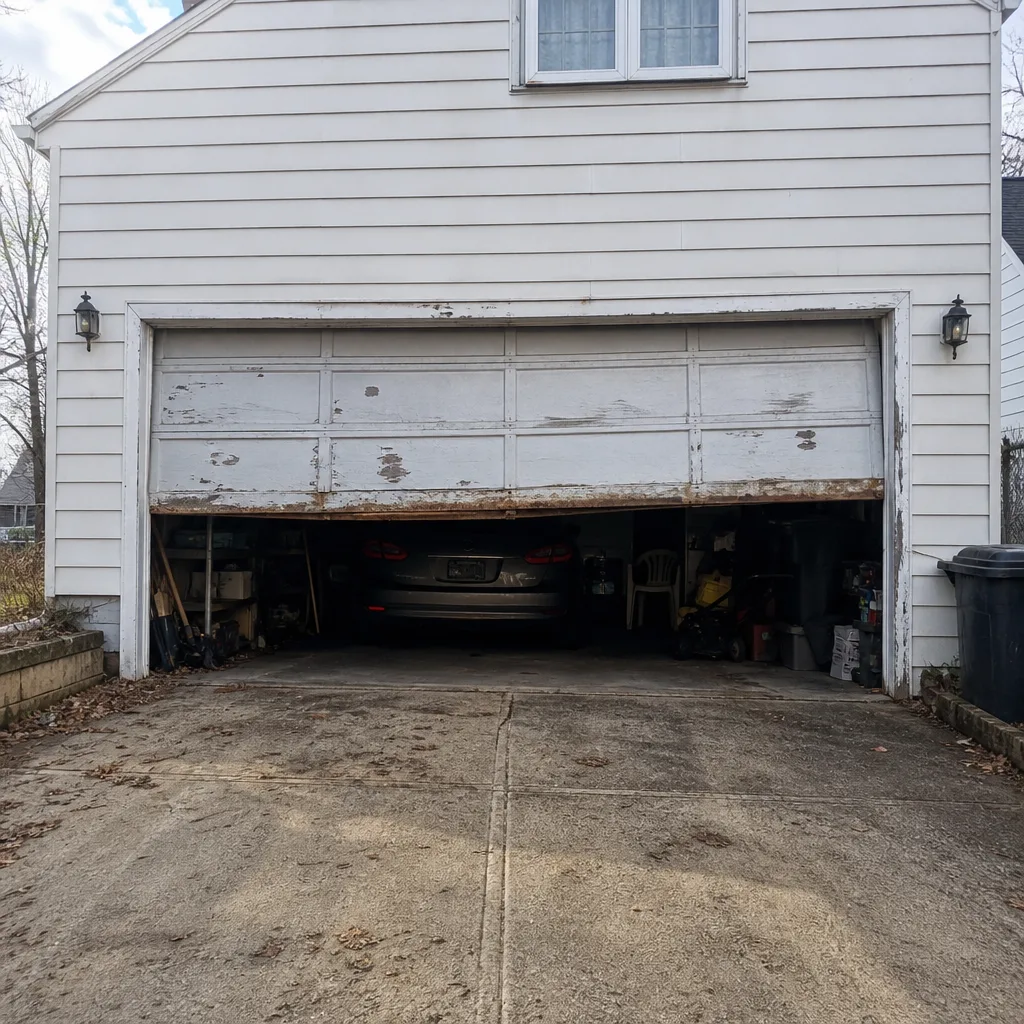 Before
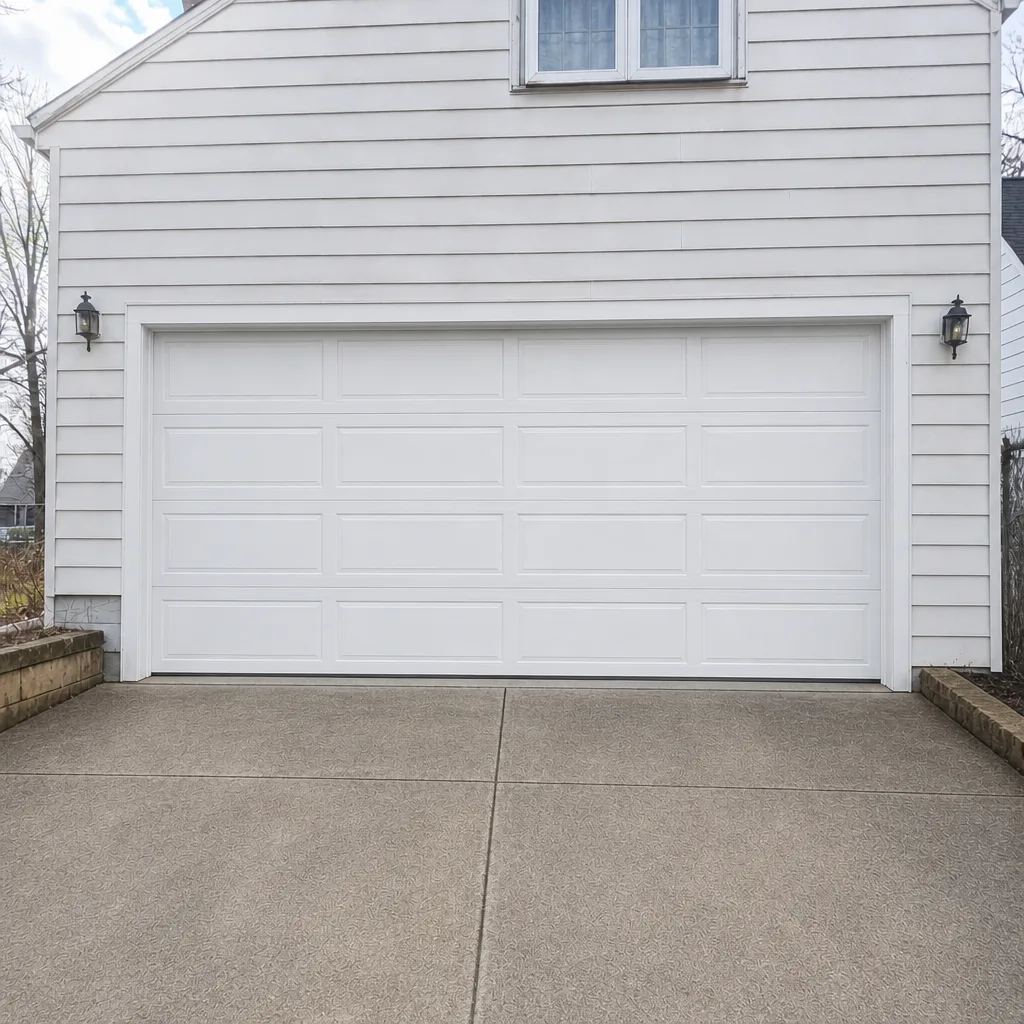 After
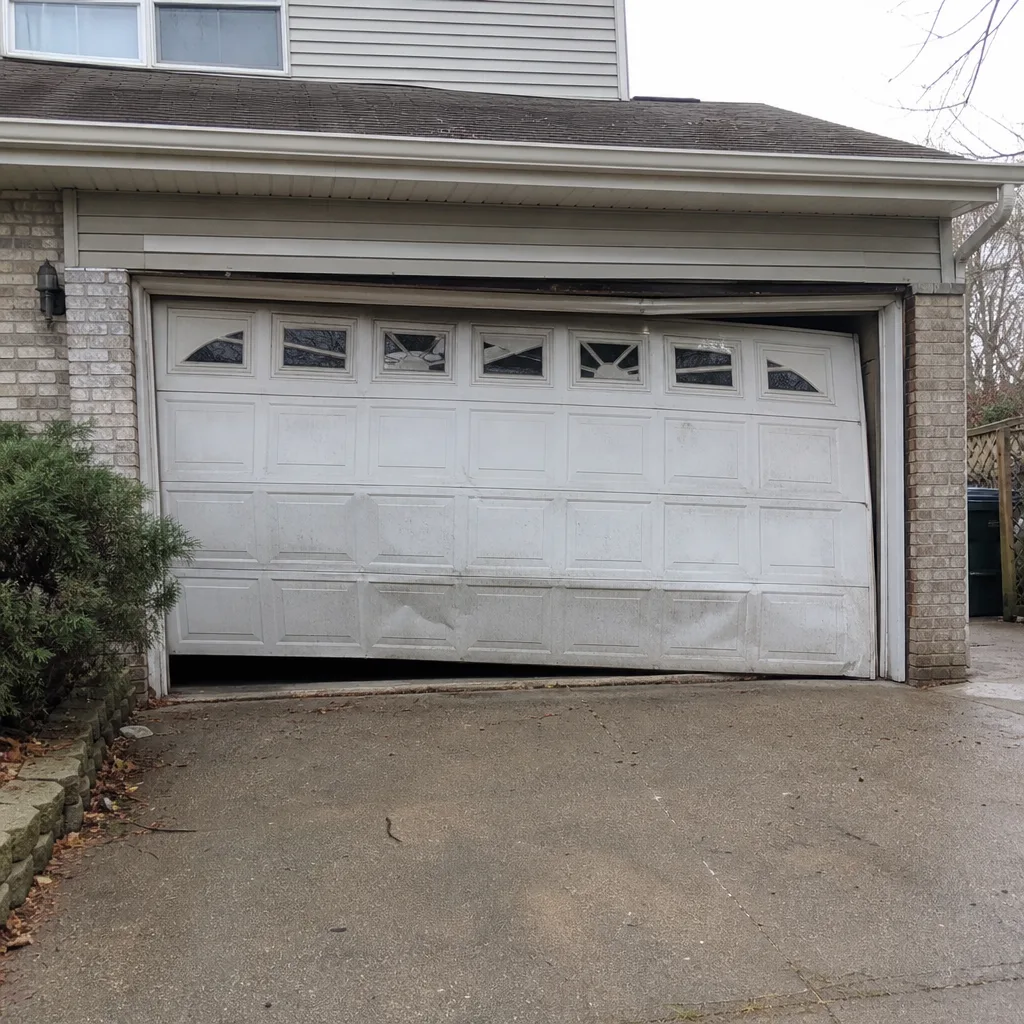 Before
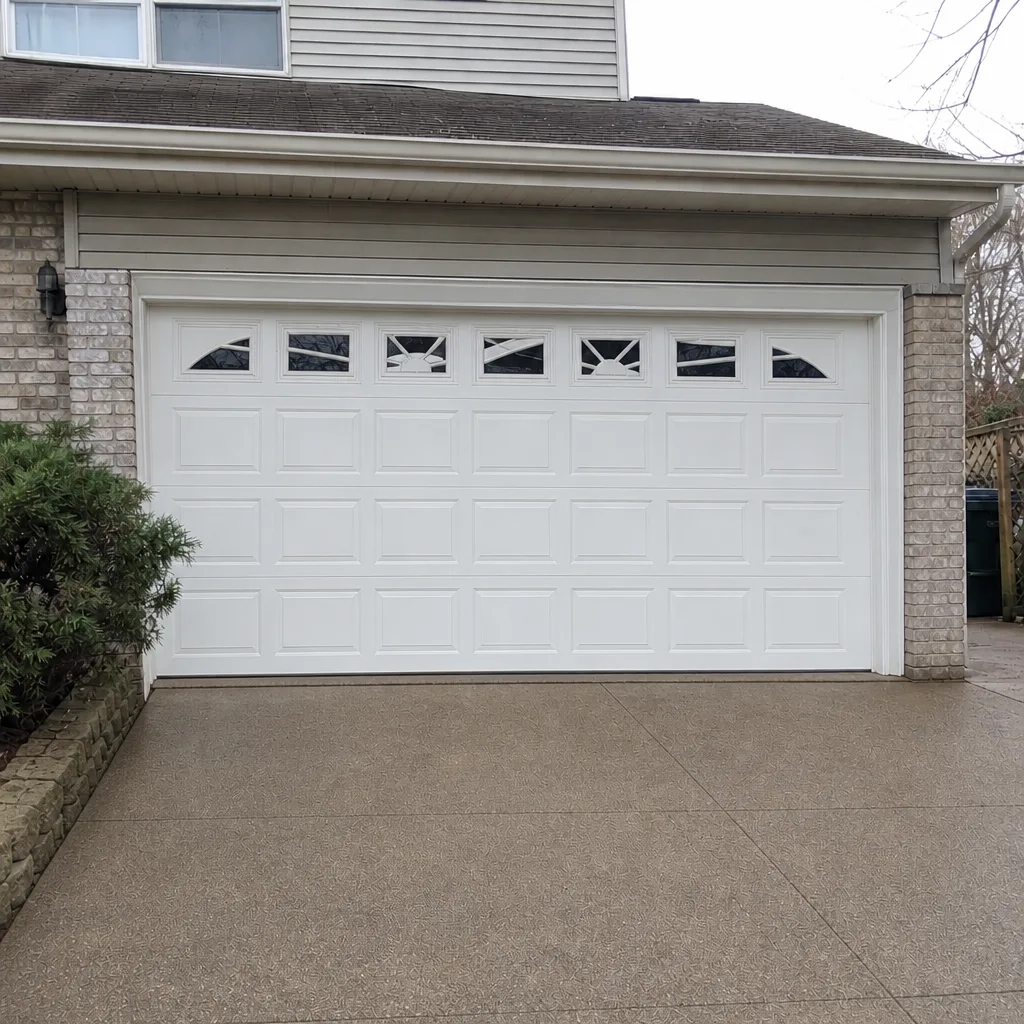 After
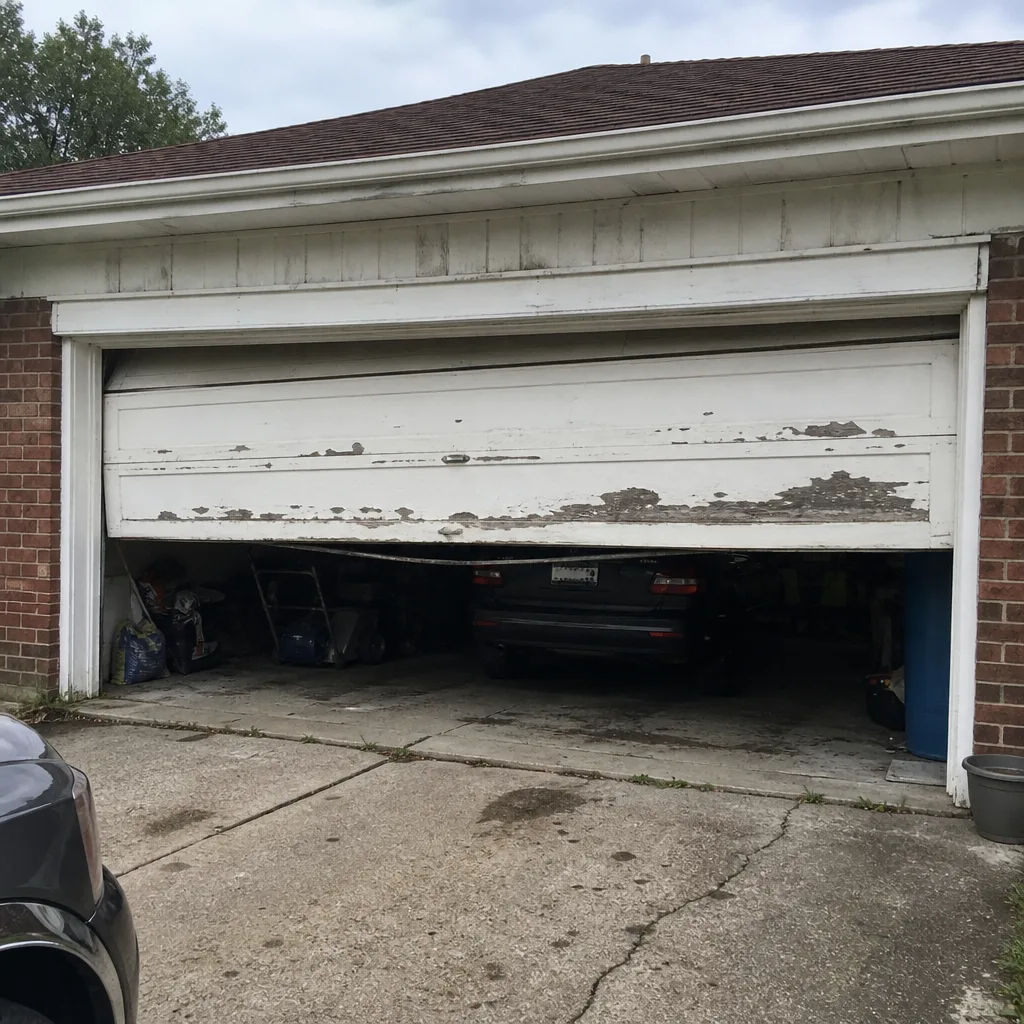 Before
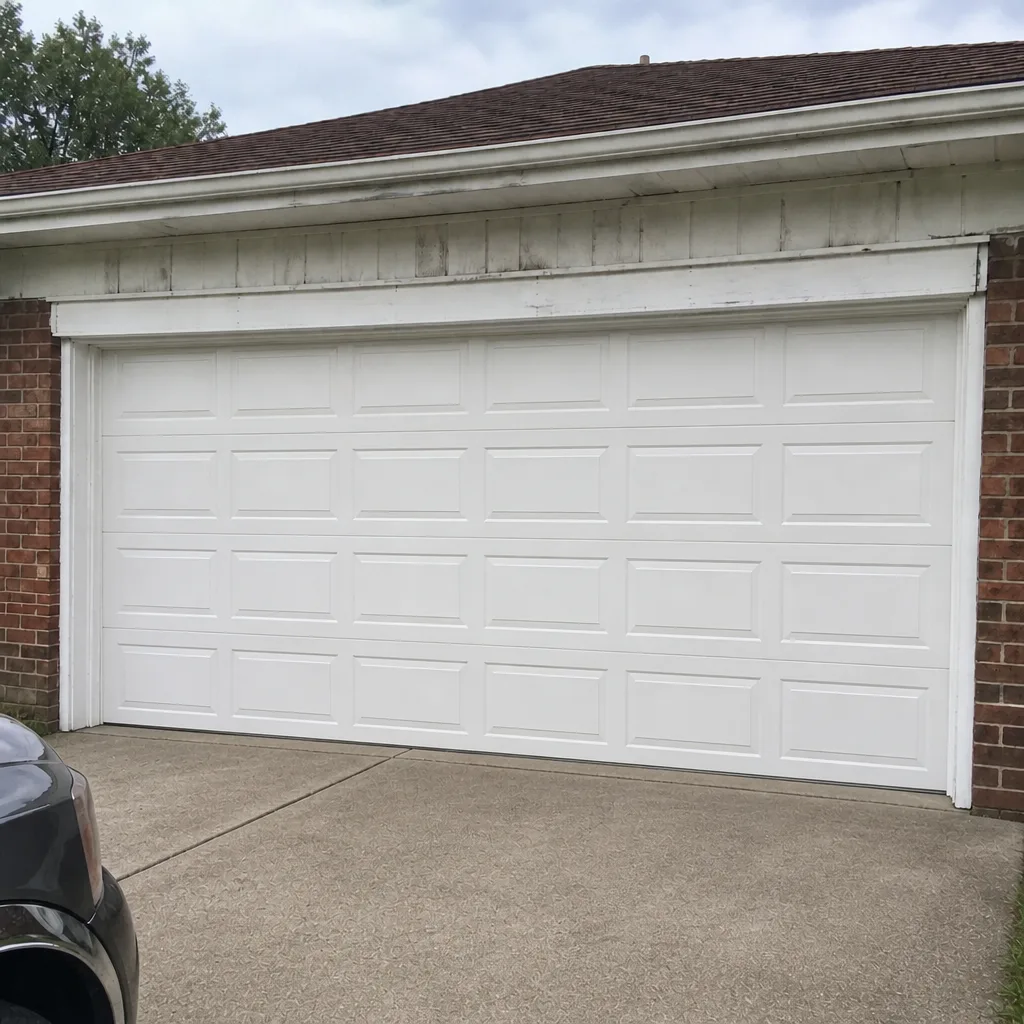 After
When to Call a Professional
Some door problems are annoyances and some are hazards, and the hazards shouldn’t be touched. Call a professional immediately if a torsion spring has snapped, if a cable is frayed or dragging, if the door has come off one side of its track, or if the door is hanging unevenly when raised by hand. Call a professional before driving through a door that won’t open all the way; a partial opener failure can let the panel come down on a car mid-cycle. Call a professional for any opener issue that involves exposed wiring or a control board you can’t identify, because electricity and spring tension are two systems that don’t forgive mistakes.
If the repair has been quoted as a full-door replacement, call for a second opinion before you sign. Garage Door Repair Concourse offers free estimates in Concourse, and a written quote up front. Call (844) 542-3280. We answer 24/7. Fast dispatch from 7am to 7pm, Sunday through Friday. Our technicians have up to 14 years of experience, we work on your brand, and we’ll put the scope in writing before anyone touches the door.
Frequently Asked Questions
Ask for their license number in writing, then look it up yourself with the NYC Department of Consumer and Worker Protection if the work is in the city, or with the local building department if the job is outside the city. Separately, ask their insurance agent to email you a current certificate of general liability and workers’ compensation coverage. A legitimate contractor provides both without hesitation. Call (844) 542-3280 if you want a written scope and verified coverage details before booking.
Often because a single-brand dealer rep can only service the brand they sell, so replacement is the only option they can actually deliver. Before agreeing to replace, ask for the repair option in writing: itemized parts, labor, and the brand and model of any opener involved. If they can’t name the parts for your existing door or opener, get a second opinion from a multi-brand specialist. Call (844) 542-3280 for a free written estimate.
The estimate is free, and the price is set per job by the written quote. Springs are quoted per spring, and matched pairs are usually replaced together, so confirm whether the number covers one or both. Ask the contractor to put the spring gauge and length in the written scope. Call (844) 542-3280 for your free estimate.
Yes, a multi-brand specialist services Chamberlain, Genie, LiftMaster, and Craftsman openers and will diagnose the actual failure, such as a gear, control board, sensor, or travel module, instead of pushing a new unit. Ask on the phone which brands they service and whether they can source parts for yours. Call (844) 542-3280 to confirm your model is covered.
No. Torsion springs and cables hold serious stored tension, and a sudden release can cause injury. A trained professional uses proper winding tools and balance tests, and a good estimate includes rebalancing after the spring replacement. Leave spring and cable work to a specialist and keep yourself out of the line of release.
Call (844) 542-3280. We answer 24/7, and a call outside dispatch hours is booked into the next opening, Sunday through Friday, 7am to 7pm. A door stuck open on a Concourse block is a real security exposure, so get the call in and we’ll get you on the schedule fast.
The Bottom Line
The best Concourse garage door contractor is one who can name your brand, name the parts, and put the scope in writing before any work starts. Verify insurance directly with the insurer, confirm the license, ask the five diagnostic questions, and insist on a repair option before you ever look at a replacement quote. The trap is a dealer rep diagnosing a system they can’t service. The defense is a multi-brand specialist who works on your system as it sits, treats springs and cables as safety work, and quotes the price up front. If the door’s down and you need answers, call (844) 542-3280 for a free estimate. Our technicians have up to 14 years of experience working across Genie, Clopay, Amarr, Wayne Dalton, and every other major system in the Bronx.
Written by the team at Garage Door Repair Concourse.