
Last updated November 21, 2026
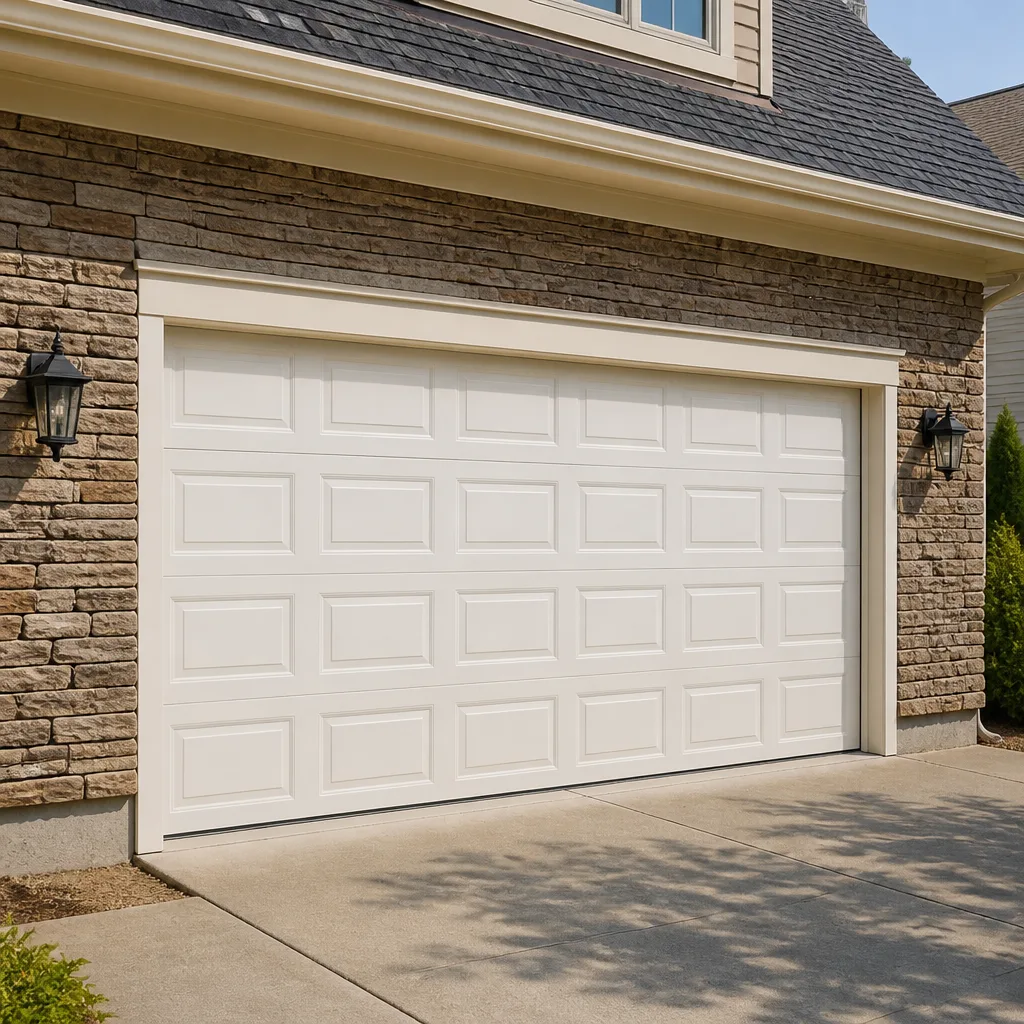 Raised-panel steel
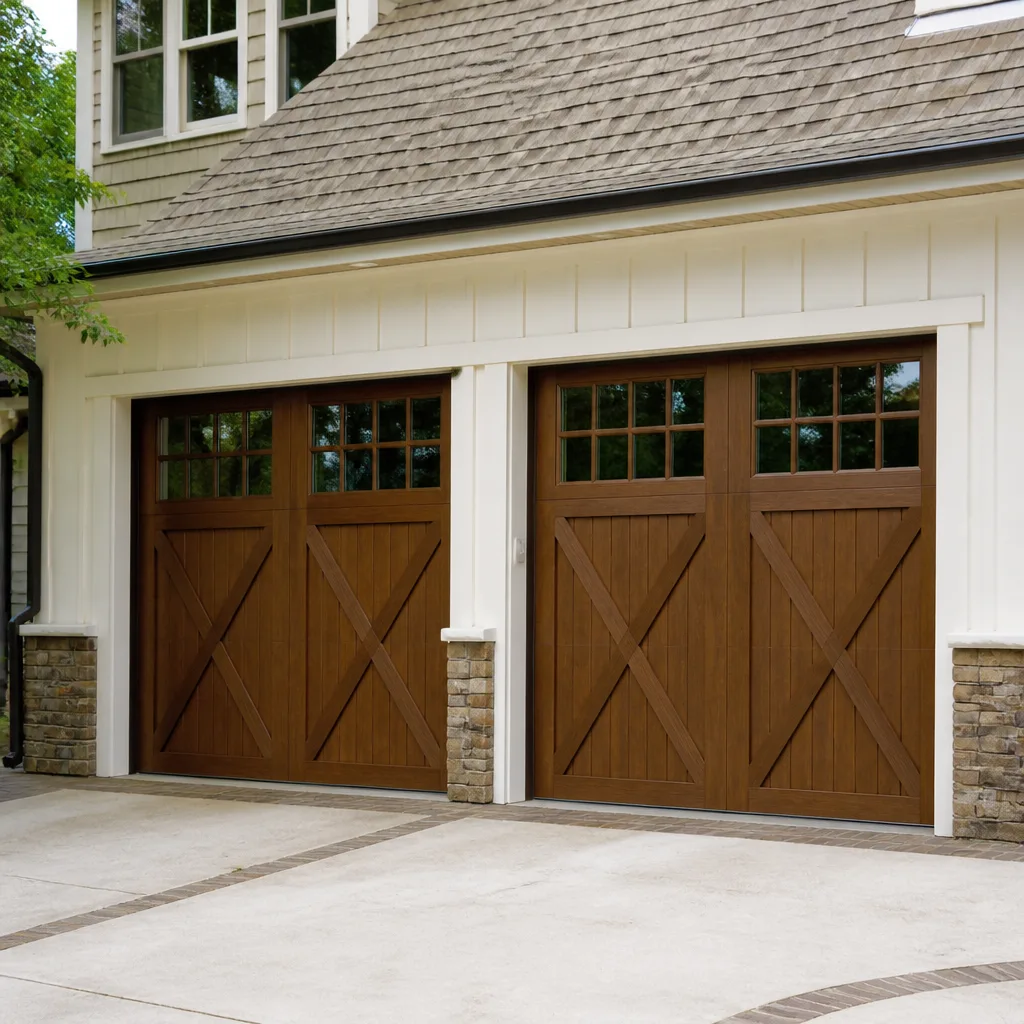 Carriage house
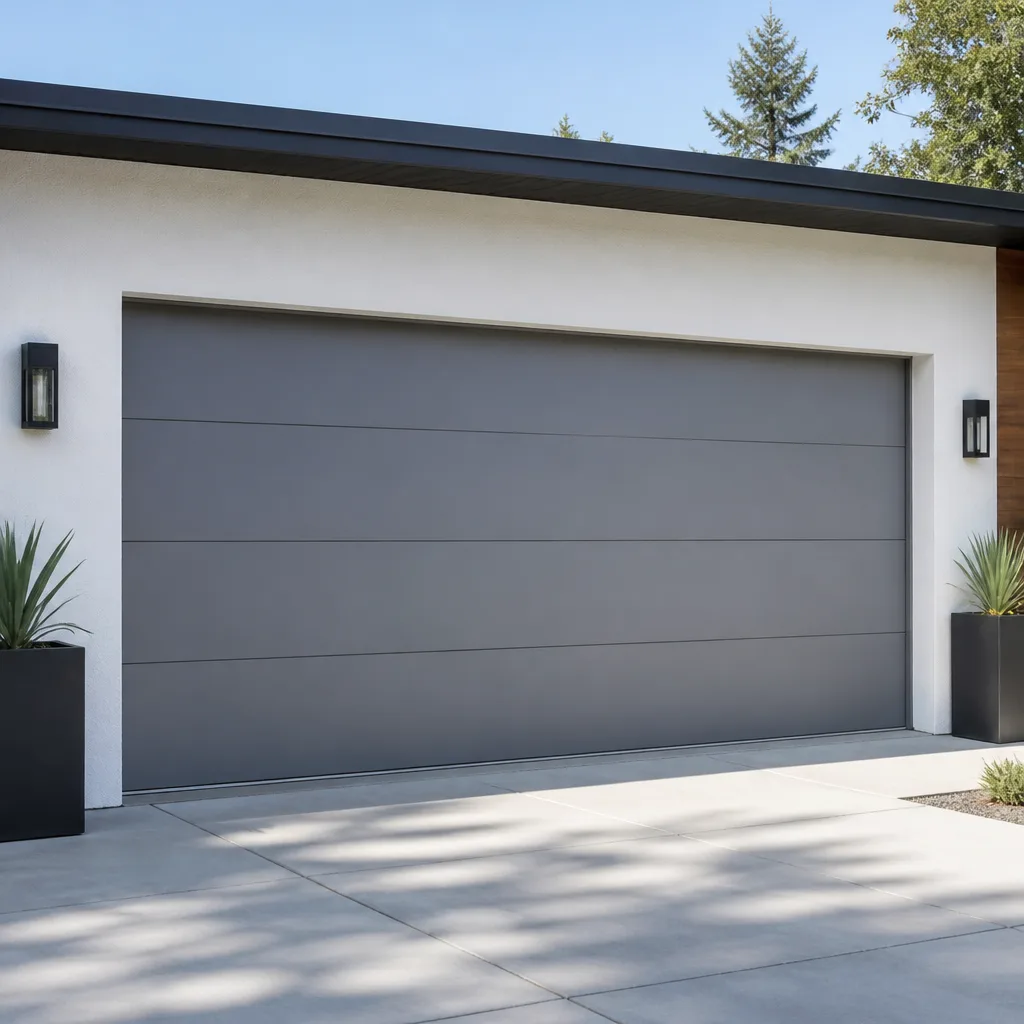 Modern flush
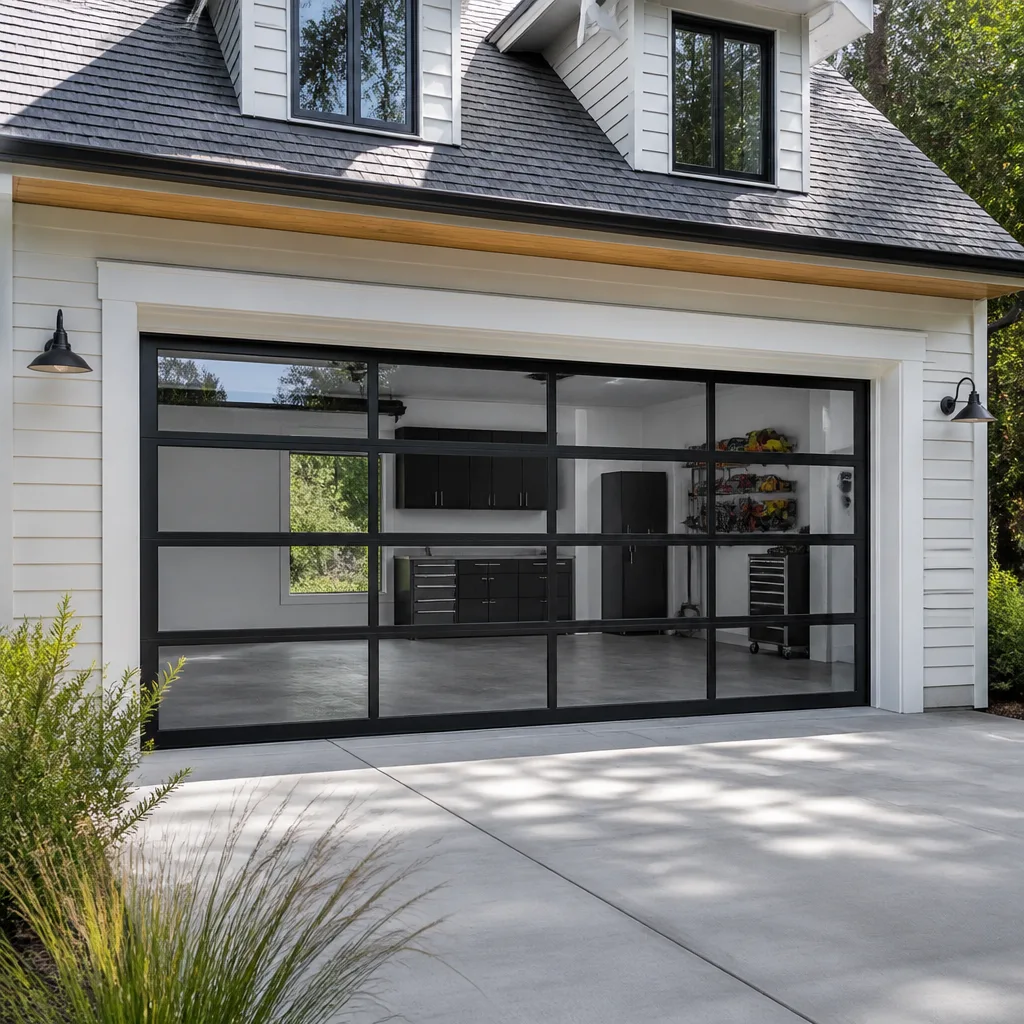 Full-view glass
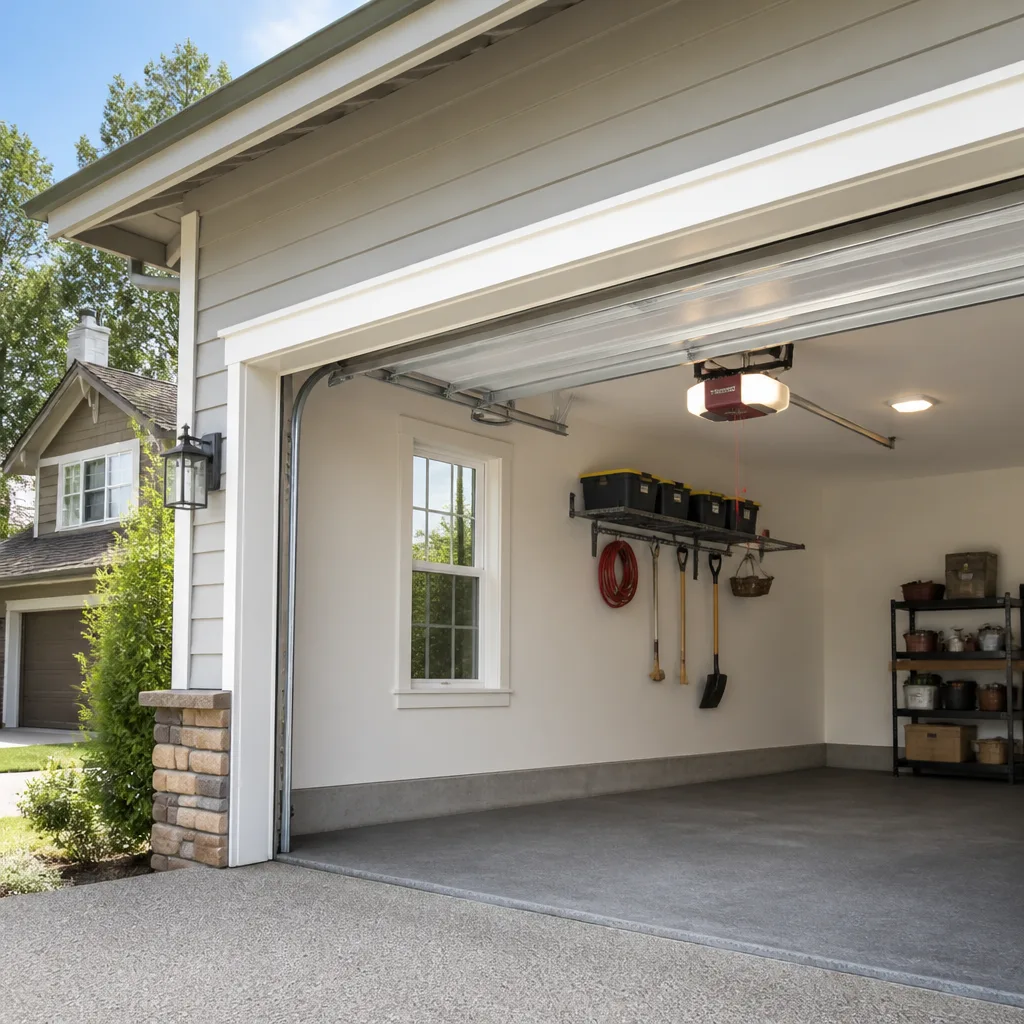 LiftMaster openers
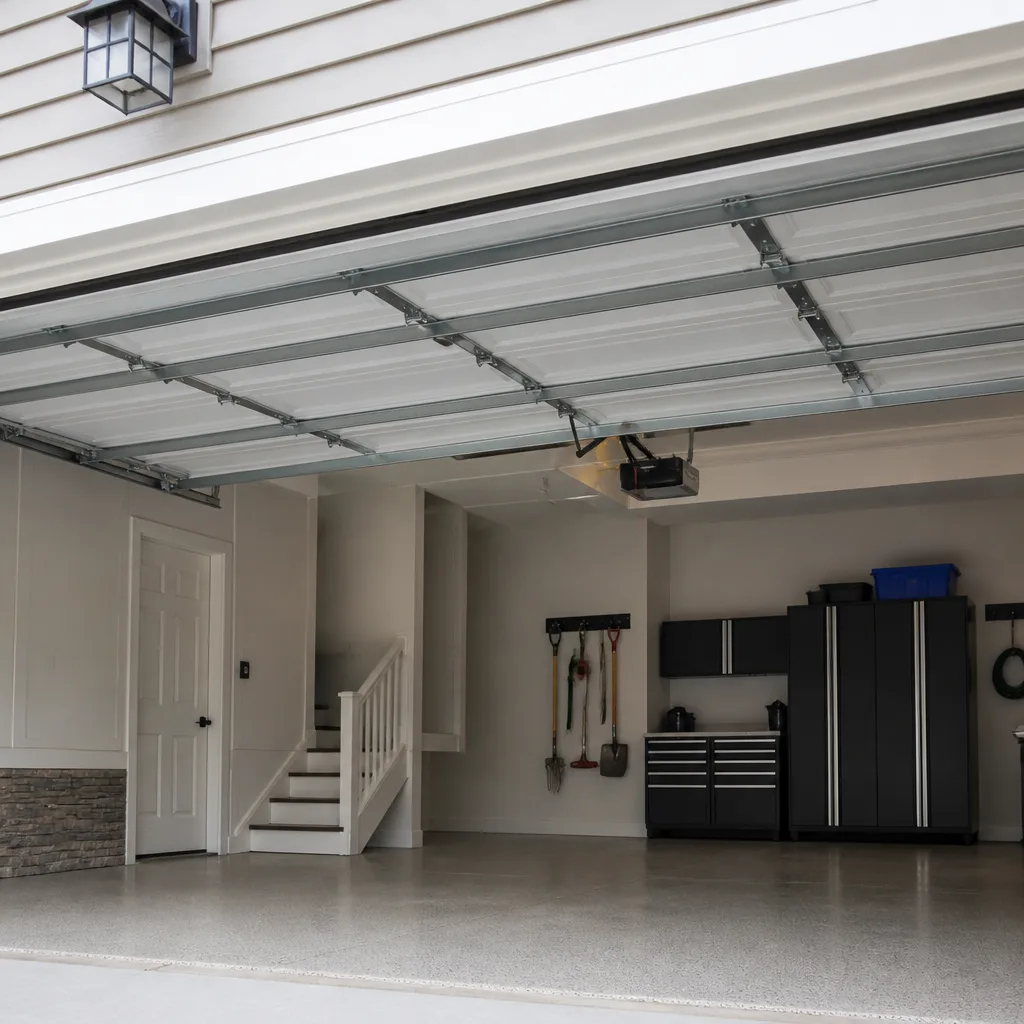 Chamberlain openers
Full 25-point door and opener safety check with every visit - springs, cables, rollers, tracks, and your LiftMaster or Chamberlain opener included
You get a price before we start. It does not change when the pro arrives.
Get your free estimateSeasonal Garage Door Care for Concourse: Year-Round Homeowner’s Guide
Most homeowners in Concourse assume a garage door fails because it got old. More often it fails because of a date on the calendar. The two hardest moments for any door in this neighborhood aren’t the depths of January or the height of July. They’re the freeze-thaw swing in late winter, when metal expands and contracts until something gives, and the humid stretch in August, when wood panels swell and steel hardware starts to fight itself. Those two windows drive the bulk of the service calls we see across Concourse. This guide walks you through a full year of maintenance, season by season, so you can catch small problems before they turn into a door that won’t move.
Quick Answer
Seasonal garage door care in Concourse comes down to two hard transitions: a late-winter spring audit before the freeze-thaw cycle peaks, and a summer humidity check on panels, tracks, and alignment. Everything else is light maintenance you can do yourself. Springs, cables, and opener wiring are safety work and belong to a technician.
Styles & brands we work with
- Raised-panel steel
- Carriage house
- Modern flush
- Full-view glass
- LiftMaster openers
- Chamberlain openers
Table of Contents
- Why Concourse Only Really Has Two Garage Door Seasons
- The Late-Winter Spring Audit: What to Check in January
- Why Springs Snap in February and March, Not January
- How Concourse Summer Humidity Affects Panels and Tracks
- Fall Weatherstripping and the Urban Heat Island Draft
- Autumn Opener Prep: Battery Backup Before Outage Season
- What to Do When Your Door Freezes to the Ground
- A Month-by-Month Care Calendar for Concourse
Why Concourse Only Really Has Two Garage Door Seasons
Ask a garage door technician about seasonal care and you’ll usually get a tidy four-season routine. In our experience working across Concourse, that’s not how it breaks down. The real damage clusters around two transitions.
The first is late winter. Through February and March, the Bronx swings between freezing nights and milder days, sometimes within the same week. Every one of those cycles works on the torsion spring and the door hardware. Metal that expands and contracts repeatedly fatigues faster than metal that just stays cold. By the time spring arrives, a door that survived December is often running on a spring that’s already carrying months of accumulated stress.
The second is high summer. Concourse sits in a dense urban grid, and the buildings, pavement, and rooftops hold heat long after sunset. That trapped warmth plus the humidity of a New York July and August creates conditions that swell wood composite panels, warp steel skins, and throw track alignment out of true. A door that rolls up smoothly in June can start dragging by August.
Between those two windows, the rest of the year is comparatively gentle. That’s the good news. It means a homeowner who focuses effort on the late-winter and late-summer checks is covering the great majority of what actually goes wrong on a Concourse garage door. Apartment buildings, row houses, and small commercial garages around the neighborhood all feel the same two pressure points.
What follows is a full calendar, because a little attention in the quiet months makes the hard months easier. But if you only read two sections of this guide, make them the winter audit and the summer humidity check.
The Late-Winter Spring Audit: What to Check in January
The best time to catch a failing torsion spring in Concourse is January, before the freeze-thaw cycle peaks. A spring on its way out usually gives warning signs. The trouble is most homeowners don’t know what to look for until the door stops opening.
The torsion spring is the coiled component mounted on the shaft above the door. It carries the full weight of the door and does the heavy lifting every time you open it. When it fatigues, it fails without much drama (a loud bang is common, but so is a quiet snap), and the door becomes dangerously heavy. Here’s what to inspect from a safe distance:
- Listen to the door. A healthy door runs quietly. A groaning or grinding sound as it opens suggests the spring is under strain or the rollers need attention.
- Watch the speed. If the door feels heavier to lift by hand (with the opener disconnected and only if you can do so safely), or drops faster than it should, the spring has lost tension.
- Look at the coils. From the ground, check the spring for an obvious gap. A visible separation means the spring has broken and the door should not be operated.
- Check the balance. With the opener released, lift the door halfway and let go. A balanced door stays put. One that slams down or drifts up is out of balance.
- Inspect the rollers and hinges. Grinding often traces to dry or worn rollers rather than the spring, and those are cheap to address early.
One caveat that matters more than anything else in this section: springs are high-tension components, and adjusting or replacing one without the right tools and training can cause serious injury. Spring repair is safety work. Don’t attempt it yourself. If the January audit turns up a broken spring or a door that won’t balance, that’s the point to call a technician. Our garage door repair service covers spring work as a specialized job, not a generic repair.
Why Springs Snap in February and March, Not January
Here’s the counterintuitive part: February and March are peak torsion spring failure months in the Bronx, and it isn’t because those are the coldest weeks. It’s the freeze-thaw. A spring that spent all of January enduring hard cold is already carrying a full winter’s worth of stress. When temperatures start bouncing above and below freezing in late winter, the metal goes through repeated expansion and contraction cycles. That’s when fatigued steel gives.
Think of it like bending a paperclip back and forth. One bend doesn’t break it. Repeated back-and-forth does. A torsion spring lives through thousands of open-and-close cycles a year anyway, and the freeze-thaw adds a second form of fatigue on top. Spring manufacturers rate a spring for a certain number of cycles, but real-world conditions in Concourse shorten that estimate.
There’s also a usage pattern at play. Homeowners tend to use the door more in the milder late-winter weeks than in the deep cold, when they’re more likely to park outside and leave it shut. More cycles on an already-stressed spring means more chances for failure.
This is why the January audit matters. A spring that’s caught early (showing wear but not broken) can be replaced on your schedule. A spring that snaps in March after the car is trapped inside is an emergency. Our advice: get the spring evaluated in January, not after the bang. If you notice a door that’s suddenly much harder to lift, that’s the signal.
For homeowners with a door and opener from brands like Clopay or LiftMaster, the spring and the opener are separate systems but they share the load. A strained spring makes the opener work harder, which shortens its life too. Replacing one tired component in time protects the other.
How Concourse Summer Humidity Affects Panels and Tracks
Summer in Concourse is hot, humid, and slow to cool. The urban heat island keeps the neighborhood warm into the evening, and that combined with humidity does specific things to a garage door.
Wood composite and wood-look panels are the most vulnerable. Wood absorbs moisture from the air, and a humid July can swell a panel enough to change how it fits in the frame. That swelling pushes against the tracks and can throw the door out of alignment. Steel panels are sturdier, but they aren’t immune: humidity plus heat can lead to subtle warping over time, and steel hardware like hinges and rollers can rust faster in damp air.
What prevents most humid-season problems is simple:
- Lubricate the moving parts. A garage door lubricant (not WD-40, which is a cleaner, not a lubricant) on rollers, hinges, and the spring keeps them moving smoothly when humidity makes everything sticky.
- Keep the tracks clean. Wipe down the tracks with a damp cloth and dry them. Grit plus humidity equals grinding.
- Check the panels for swelling. If a wood or composite panel looks out of line or feels soft, it’s absorbing moisture. Sealing and repainting wood panels periodically helps.
- Watch steel for rust. A spot of rust on a hinge is easy to treat now and expensive to ignore later. A Wayne Dalton or Amarr steel door will last far longer with an annual rust check.
- Confirm the balance again. A door that’s out of alignment drags, which stresses the opener. Catching it in early summer saves an opener repair in fall.
If the summer heat swells a panel and the door starts catching on the track, don’t force it. Forcing a misaligned door can bend the track or break a roller. That’s when to call a technician, because alignment is a quick fix when caught early and a bigger job when left alone.
Fall Weatherstripping and the Urban Heat Island Draft
Fall is weatherstripping season, and in Concourse there’s a real reason it matters more than in a suburban setting. The urban heat island keeps the neighborhood warmer than surrounding areas, but that doesn’t mean garages stay warm. A gap in the weatherstripping along the bottom of the door lets cold air in, and that means real heat loss from the adjoining rooms. For anyone using the garage as a workspace or attached to living space, that draft adds up.
Weatherstripping inspection is simple. Run your hand along the bottom seal and the side and top seals. You’re looking for:
- A visible gap. Hold a flashlight inside the closed door and look for light coming through. If you see daylight, air is getting through.
- Brittle or cracked rubber. Old seals harden and lose their flexibility. A seal that crumbles at the touch needs replacement.
- Flattening. The bottom seal should have some spring to it. If it’s pressed flat, it isn’t sealing.
- Mold or mildew. Damp seals can grow mildew, which signals moisture is trapped.
- Uneven contact. A door that doesn’t sit evenly on the floor means the bottom seal isn’t doing its job across the full width.
Replacing a bottom seal is a manageable DIY job on many doors, but check first. Some doors, particularly panel designs from Amarr or Clopay, have a specific seal type that’s easy to get wrong. If the seal isn’t the right fit, you’ll get a draft again in weeks.
Fall is also a good time to look at the door’s insulation. If the door is uninsulated and it’s attached to a heated space, that’s a bigger project than weatherstripping, but it’s worth knowing whether the door itself is the leak or just the seal.
Autumn Opener Prep: Battery Backup Before Outage Season
One fall task owners forget until it matters: test the opener’s battery backup. Many modern openers, including LiftMaster and Chamberlain units, include a battery backup designed to let the door operate during a power outage. The fall, before daylight saving and the storm season, is the right window to test it.
Here’s the simple test:
- Find the backup battery. On most units it’s in the opener head, often behind a small cover.
- Unplug the opener. With the door down, kill power at the outlet.
- Press the wall button. If the door opens, the backup is working. If nothing happens, the battery needs replacement.
- Plug it back in and re-set. Restore power and run the door once to confirm it re-engages.
- Note the battery age. Backup batteries don’t last forever. If it’s several years old or the test fails, replace it before winter.
Craftsman and Genie openers have their own battery or backup configurations, so check your model’s manual or ask a technician. Battery backup is one of those features that’s invisible when it works and frustrating when it doesn’t. A door that won’t open in a blackout isn’t a convenience problem; it’s a security problem, since the door is also your access point.
Fall is also the season to check the opener’s safety sensors. Those little eyes near the floor should be clean and aligned. If a sensor is bumped or dirty, the door won’t close, and in the dark and rain of late fall, that’s when you’ll notice. Test by closing the door and running something through the beam. The door should reverse. Our garage door opener repair service covers sensor alignment, battery issues, and connectivity problems, so if something’s off, it’s worth a look before winter.
What to Do When Your Door Freezes to the Ground
It happens in Concourse during a cold snap: the bottom seal freezes to the ground, sometimes to the concrete apron. The door is stuck. What you do in the next five minutes decides whether you have a small thaw job or a damaged bottom seal and a forced opener.
The right approach:
- Don’t force the door. Pulling hard on a frozen door can rip the bottom seal, damage the opener, or bend the track. The opener’s force setting may drive the door up with the seal still stuck and tear it.
- Release the opener first. Pull the emergency release cord (the red handle) so the opener isn’t fighting the frozen seal. The door is heavy, so be careful.
- Apply gentle heat. A hairdryer or a heat gun on a low setting, run along the bottom edge, is enough to soften the ice. Never use a blowtorch or open flame. Never pour boiling water on the seal; it can damage the material and refreeze.
- Work the door by hand. Once the seal loosens, lift the door by hand slowly to confirm it’s free before re-engaging the opener.
- Clear the ice. Chipping ice from the ground around the seal prevents a repeat.
After a freeze, check the bottom seal for cracks or tears. A damaged seal will let cold air in all winter and should be replaced. If the opener was engaged when the door froze and the door won’t run properly afterward, call a technician; the opener’s force settings or drive components may need attention.
The longer-term prevention is to keep the area where the door meets the ground dry. Poor drainage or a low spot that collects water is the usual culprit. If the door freezes in the same spot every winter, that’s a drainage issue to address, not just a door issue.
A Month-by-Month Care Calendar for Concourse
Here’s a simple calendar to keep the two hard transitions on your radar without overthinking it.
- January: The spring audit. Listen, watch the speed, check the balance, inspect rollers and hinges. Book a spring evaluation if anything looks off.
- February to March: The freeze-thaw peak. Watch for a door that suddenly feels heavy or won’t balance. Keep the bottom seal free of ice and clear the ground around the door.
- April to May: Post-winter tidy-up. Clean and lubricate tracks, rollers, and hinges. Check for rust or damage the winter left behind. Confirm the door is balanced.
- June to August: The humidity season. Lubricate moving parts, keep tracks clean, check wood and composite panels for swelling, and watch steel for rust. Watch alignment.
- September to October: Weatherstripping inspection and replacement. Check the bottom, side, and top seals for gaps, cracks, and flattening.
- October to November: Opener prep. Test battery backup, check safety sensors, clean and align them before storm season.
- December: Quick once-over. Look for anything that changed over the year and confirm the door still runs smoothly.
This calendar isn’t a replacement for a professional inspection, but it keeps the big seasonal risks in view. For our team, the biggest value of the calendar is that it gets homeowners to act in January, when a spring replacement is a quick job, rather than in March, when a snapped spring becomes an emergency.
Common Mistakes to Avoid
- Forcing a frozen door. Many homeowners pull hard on a door that’s frozen to the ground, tearing the bottom seal or damaging the opener. Release the opener and thaw gently instead.
- Ignoring the January audit. A spring that’s showing wear in January is a routine replacement. A spring that snaps in March is an emergency. The same component, very different cost and stress.
- Using the wrong lubricant. WD-40 is a cleaner, not a lubricant, and it doesn’t belong on garage door rollers. Use a proper garage door lubricant.
- Skipping the summer humidity check. In Concourse, the humid months swell wood composites and warp steel panels. Catching it in June is alignment work; catching it in September is door replacement.
- Not testing battery backup until a power outage. The fall check is cheap and quick. Discovering the backup is dead during a blackout is neither.
- Replacing the whole door when a repair would do. A misaligned door, a tired spring, or a faulty sensor is a repair, not a replacement. A technician who knows your brand can tell you which.
- Letting a small rust spot on a steel door spread. A spot of rust on a hinge or panel is easy to treat at the start. Left alone for a season, it can mean panel replacement.
See the difference
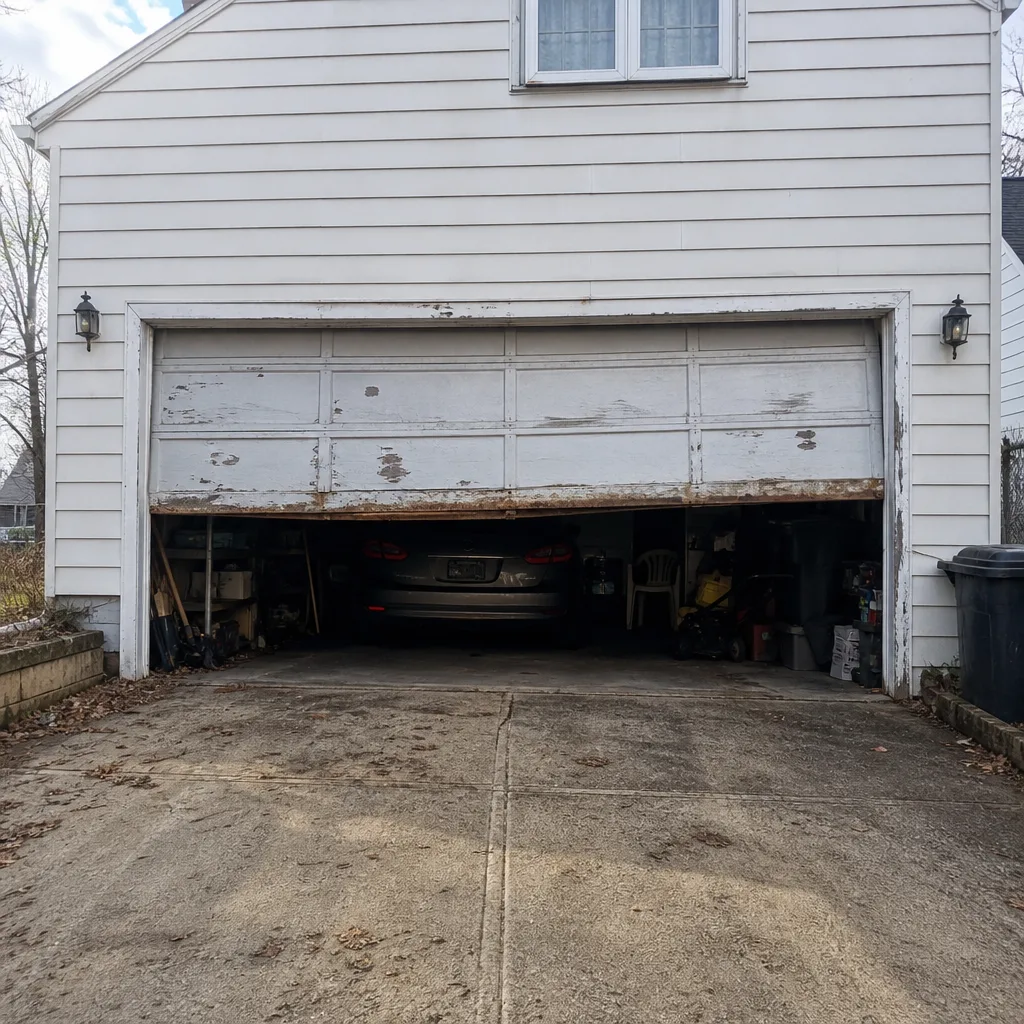 Before
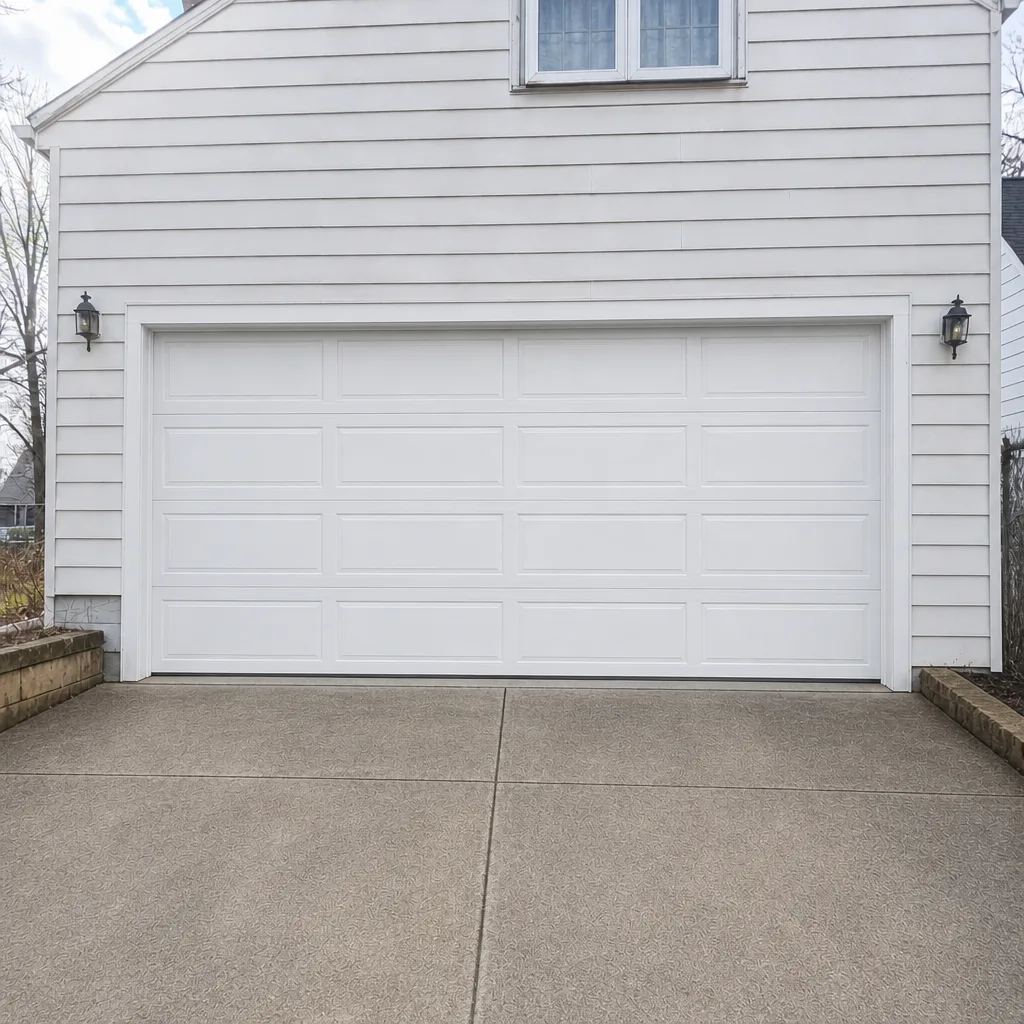 After
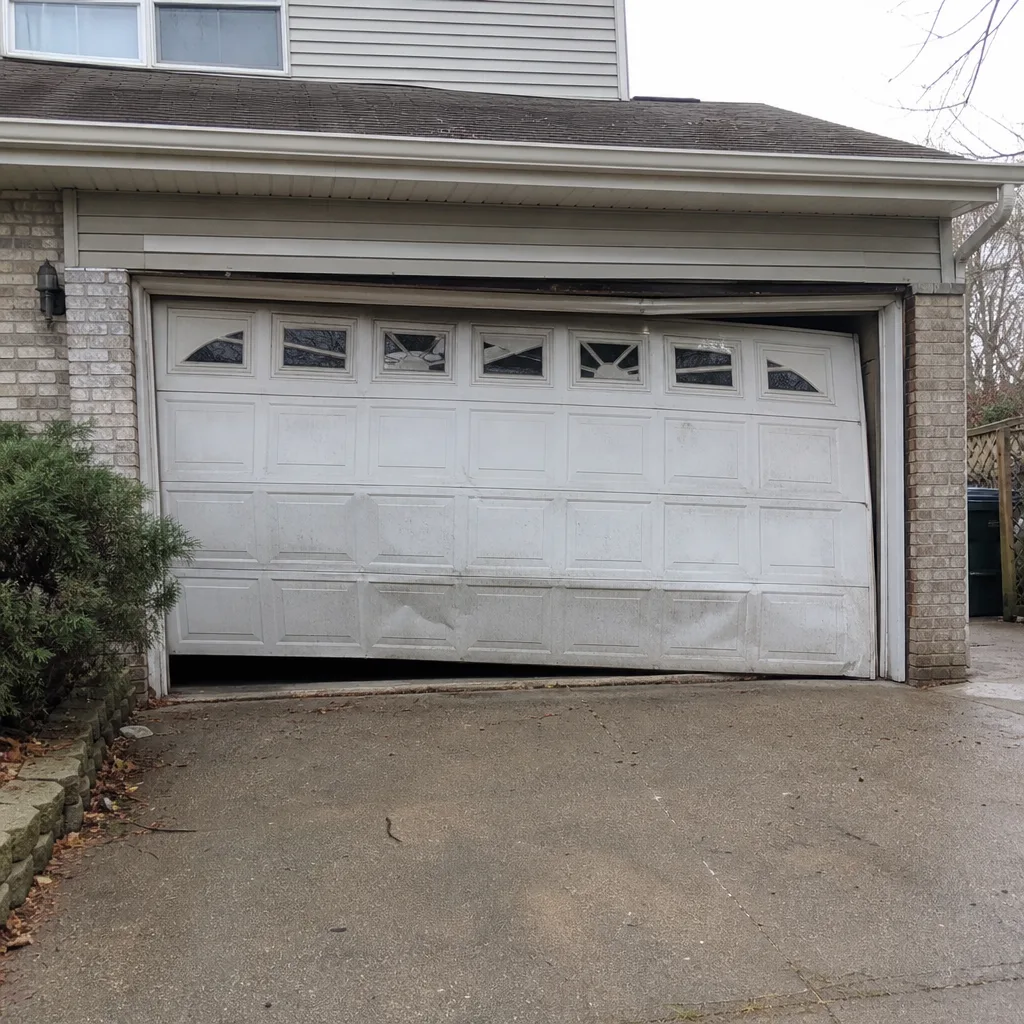 Before
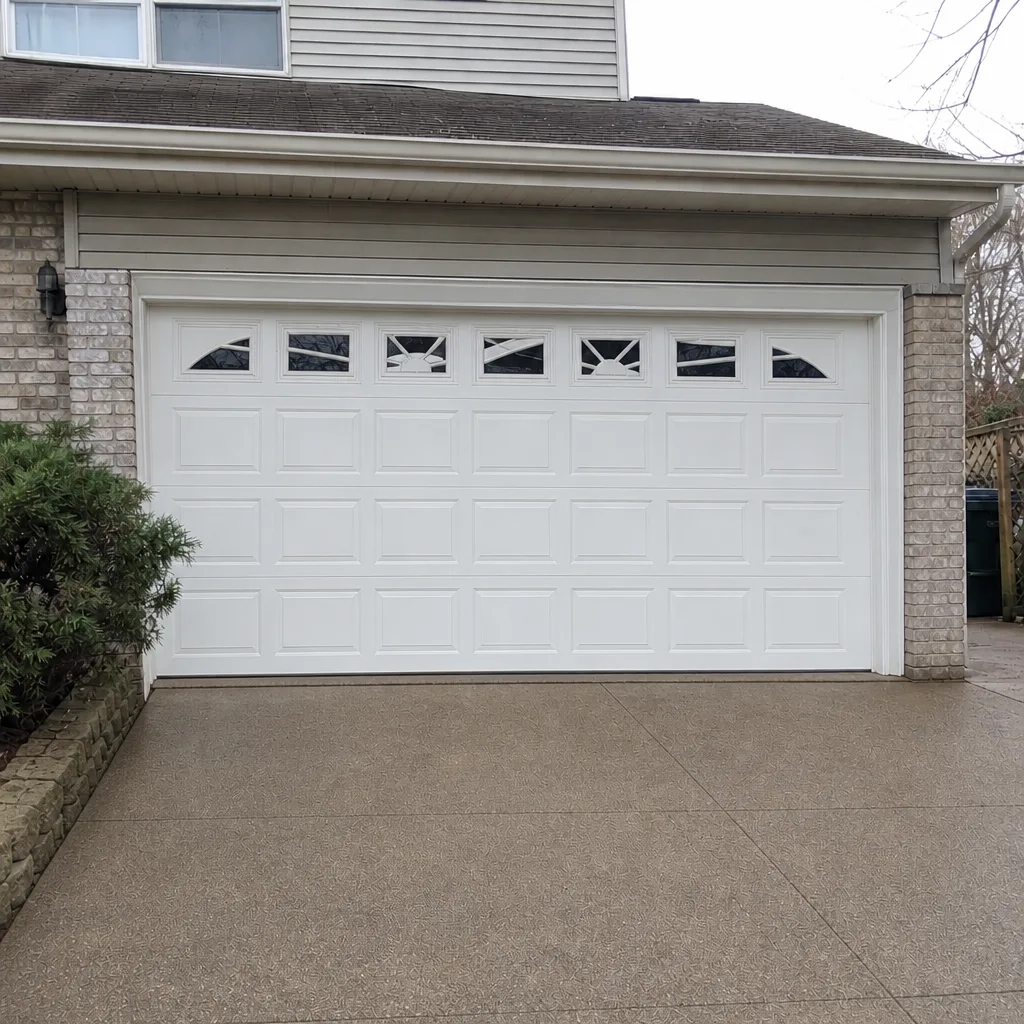 After
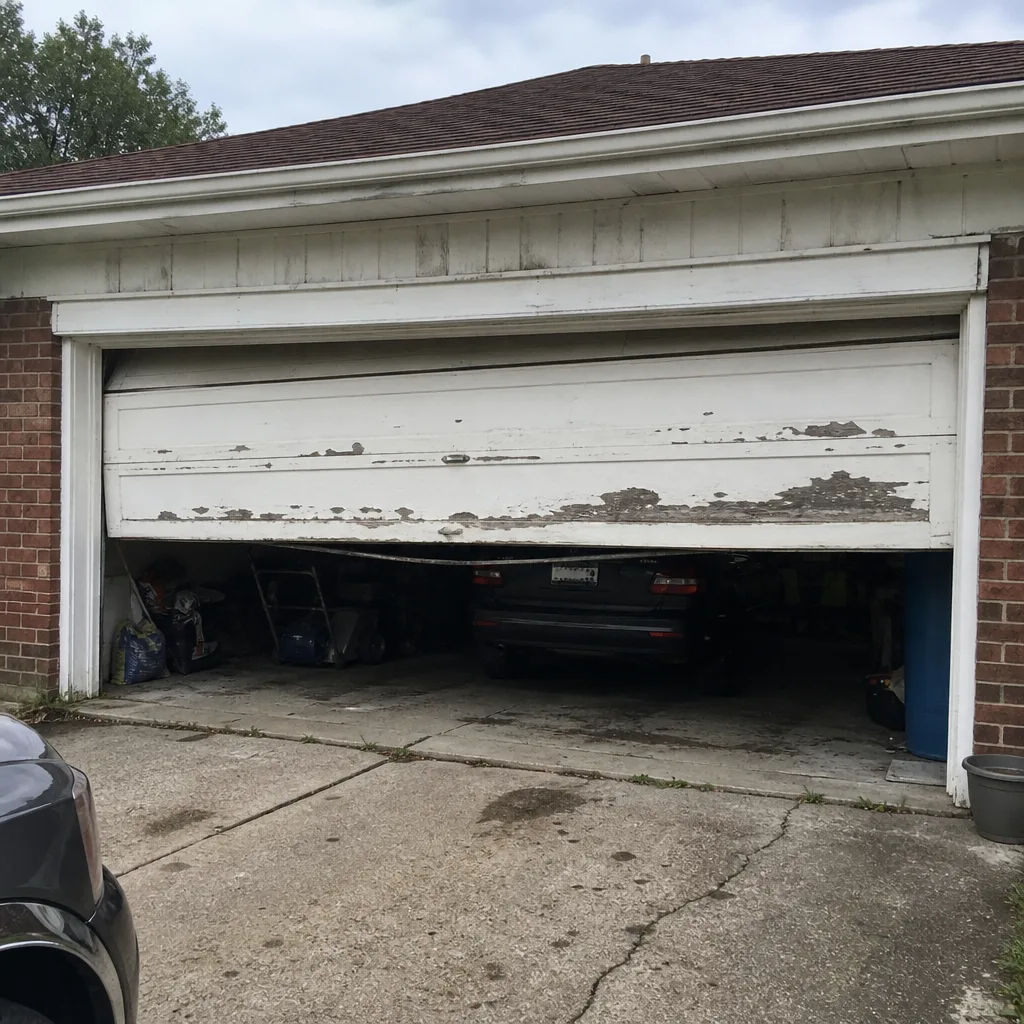 Before
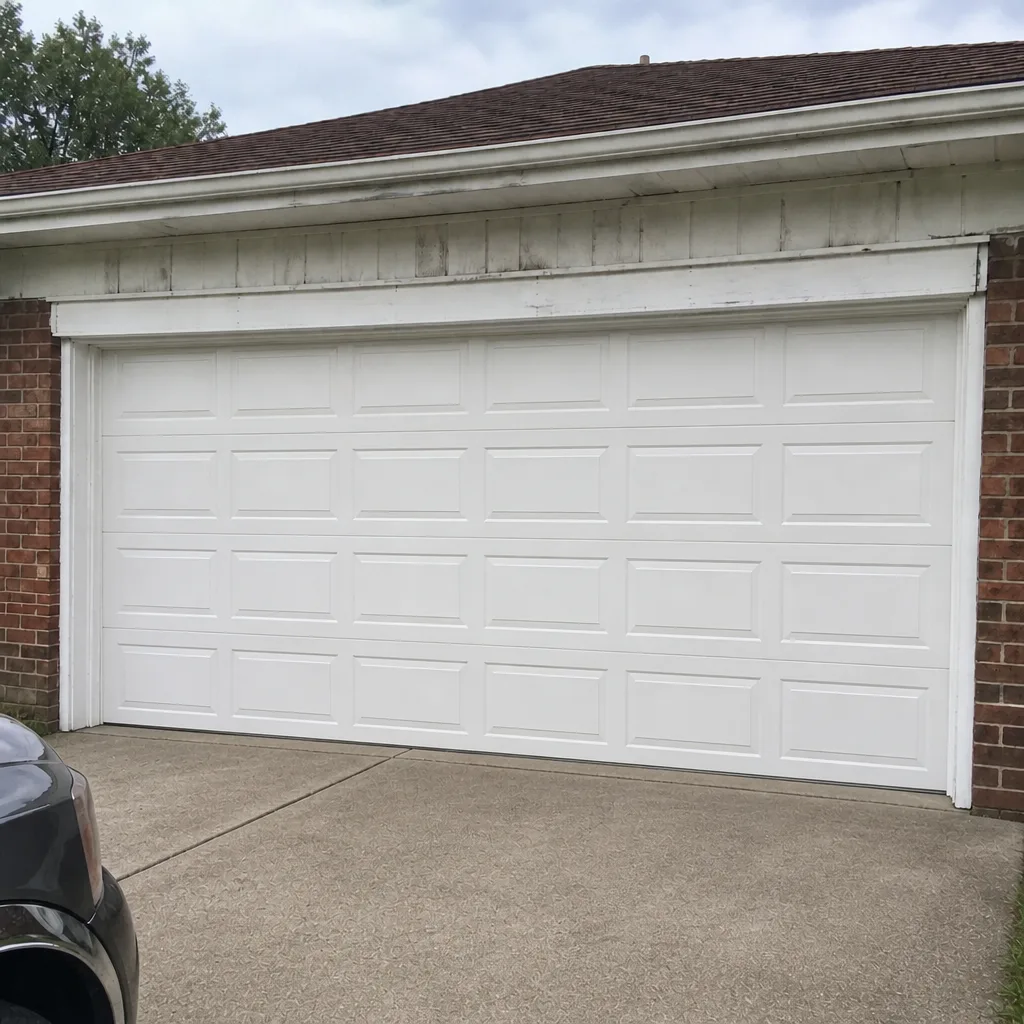 After
When to Call a Professional
Some of this work is fine for a homeowner. Springs, cables, opener wiring, and anything involving high-tension components are not. Call a technician when the spring shows a gap, the door won’t balance, the door is heavier than it should be, the opener reverses unexpectedly, or a panel is visibly warped or swollen. Call immediately when a door is stuck open (a security problem) or stuck closed (a vehicle trapped inside). Those situations warrant true emergency garage door service, not a wait-until-later appointment.
Garage Door Repair Concourse offers free estimates in Concourse. Our technicians have up to 14 years of experience and work across the brands already installed on Concourse homes, including Clopay, Amarr, Wayne Dalton, and LiftMaster. Call (844) 542-3280. We answer 24/7. Fast dispatch from 7am to 7pm, Sunday through Friday.
Frequently Asked Questions
Once a year is a good baseline, ideally in January before the freeze-thaw cycle peaks. In our experience, the late-winter months are when most spring failures happen, so an inspection before February catches problems while they’re still simple repairs.
Because of the freeze-thaw cycle. A spring that spent all of January in cold weather is already fatigued. When temperatures bounce above and below freezing in late winter, the metal expands and contracts repeatedly, and that repeated cycling is what finally breaks a spring that was on its way out. It’s not the coldest month that breaks springs; it’s the transition.
No. Springs are high-tension components, and adjusting or replacing one without the right tools and training can cause serious injury. Spring repair is safety work and belongs to a qualified technician, even if the part itself seems cheap.
Humidity swells wood composite panels, which can push against tracks and throw alignment out. Steel panels and hardware can rust faster in damp air. Lubricating moving parts, cleaning tracks, and checking panels for swelling in June prevents most humid-season problems.
Release the opener first, then apply gentle heat along the bottom edge with a hairdryer or low-setting heat gun. Never force the door, never use a blowtorch, and never pour boiling water on the seal. Once it’s loose, clear the ice and check the bottom seal for damage.
Many modern openers, including LiftMaster and Chamberlain models, have a battery backup that lets the door run during an outage. Test it in the fall by unplugging the opener and pressing the wall button. If the door doesn’t move, the battery needs replacing before storm season.
The Bottom Line
Garage door care in Concourse isn’t a four-season routine. It’s two hard transitions: the late-winter freeze-thaw swing that snaps springs, and the summer humidity that swells panels and throws alignment. Focus your attention there, do the light maintenance between them, and you’ll avoid most of the failures we see. The January spring audit and the June humidity check are the two habits that matter most. When a spring shows wear, a door won’t balance, or an opener misbehaves, get it looked at before it becomes an emergency. Our team works on the brands already on your door, repairs first before suggesting replacement, and is here when the door won’t move.
Call (844) 542-3280 for a free estimate. We answer 24/7. Fast dispatch from 7am to 7pm, Sunday through Friday.
For a full look at what we cover, from Garage Door Repair Concourse through to garage door installation, our team is ready to help.
Written by the team at Garage Door Repair Concourse.