
Last updated November 21, 2026
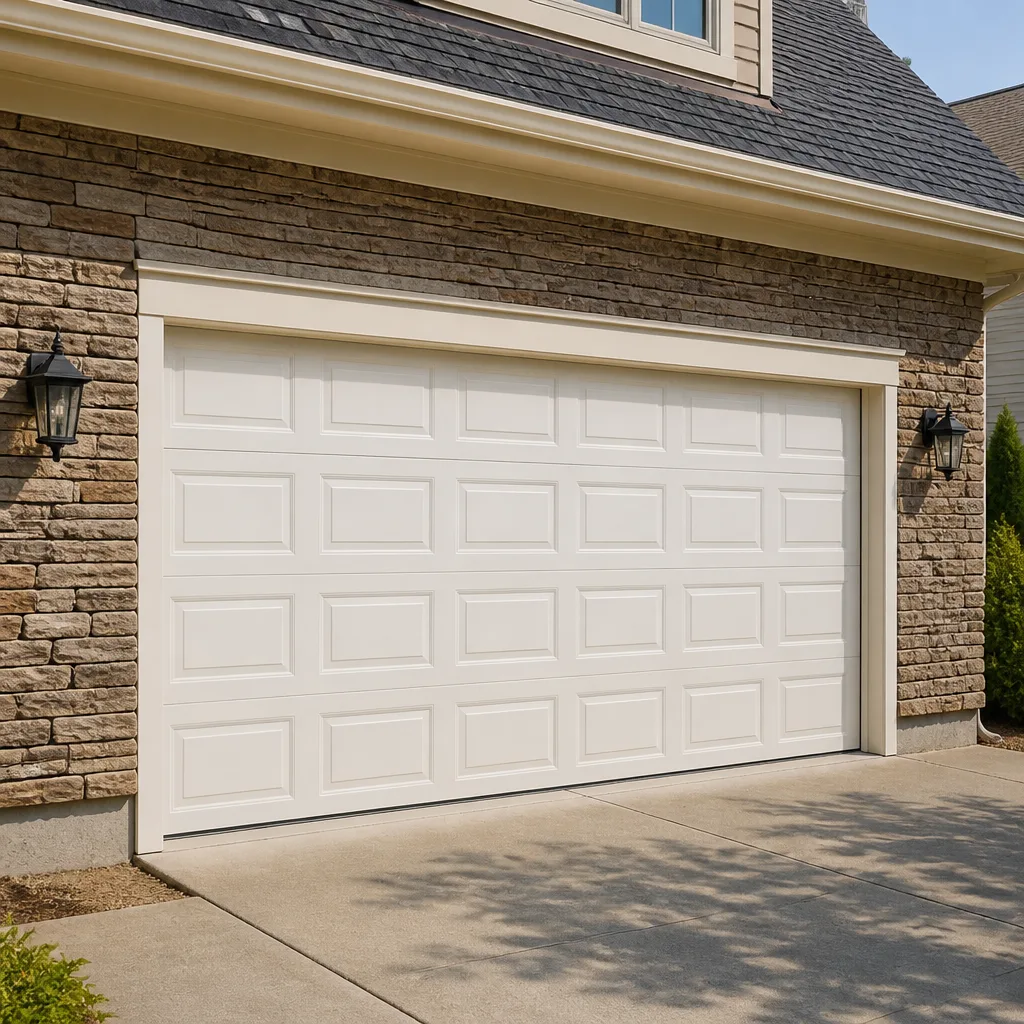 Raised-panel steel
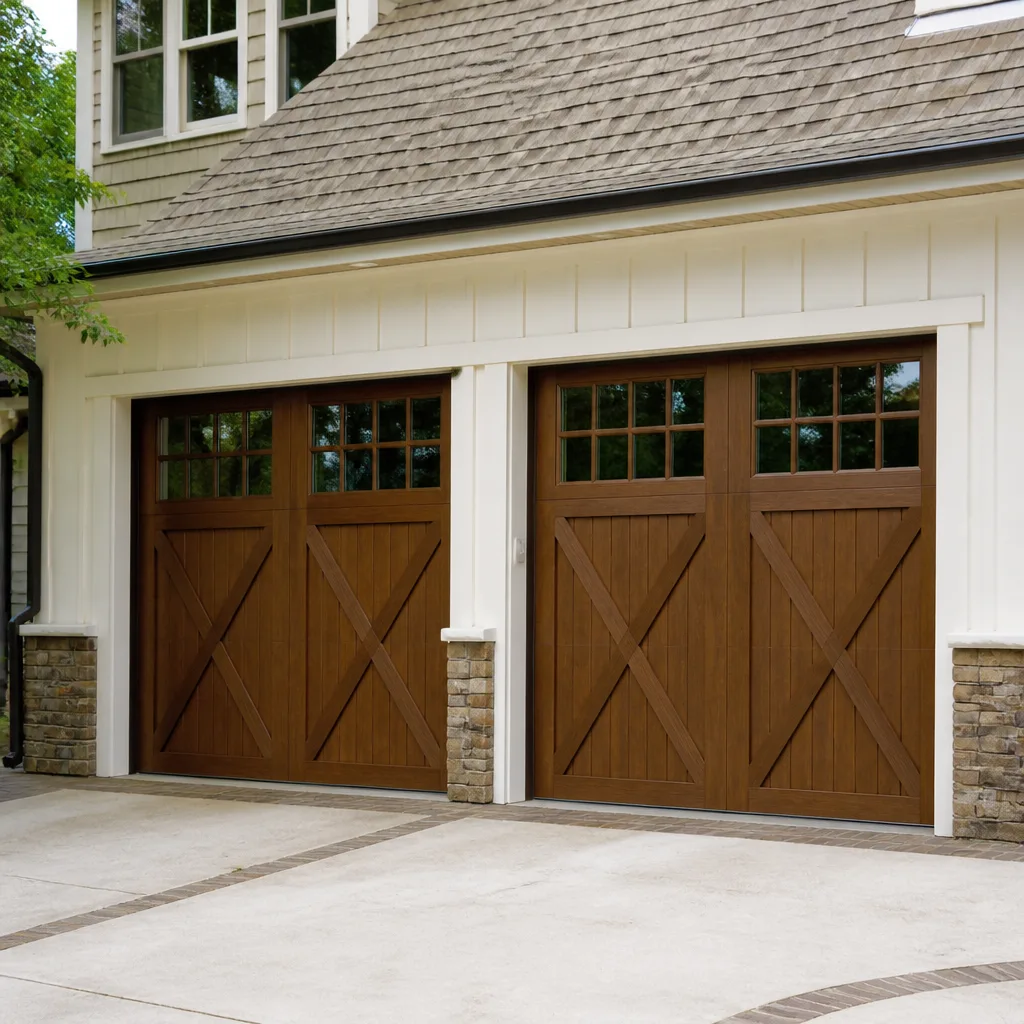 Carriage house
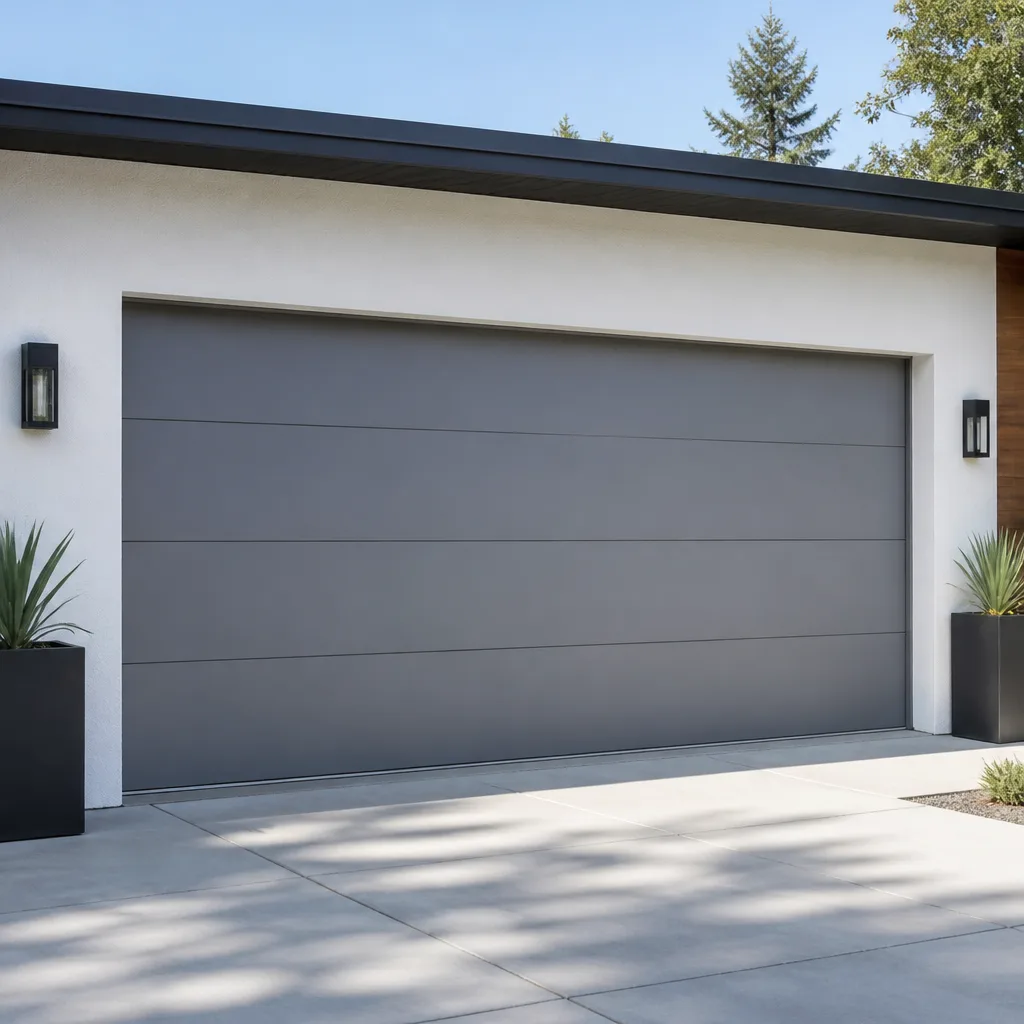 Modern flush
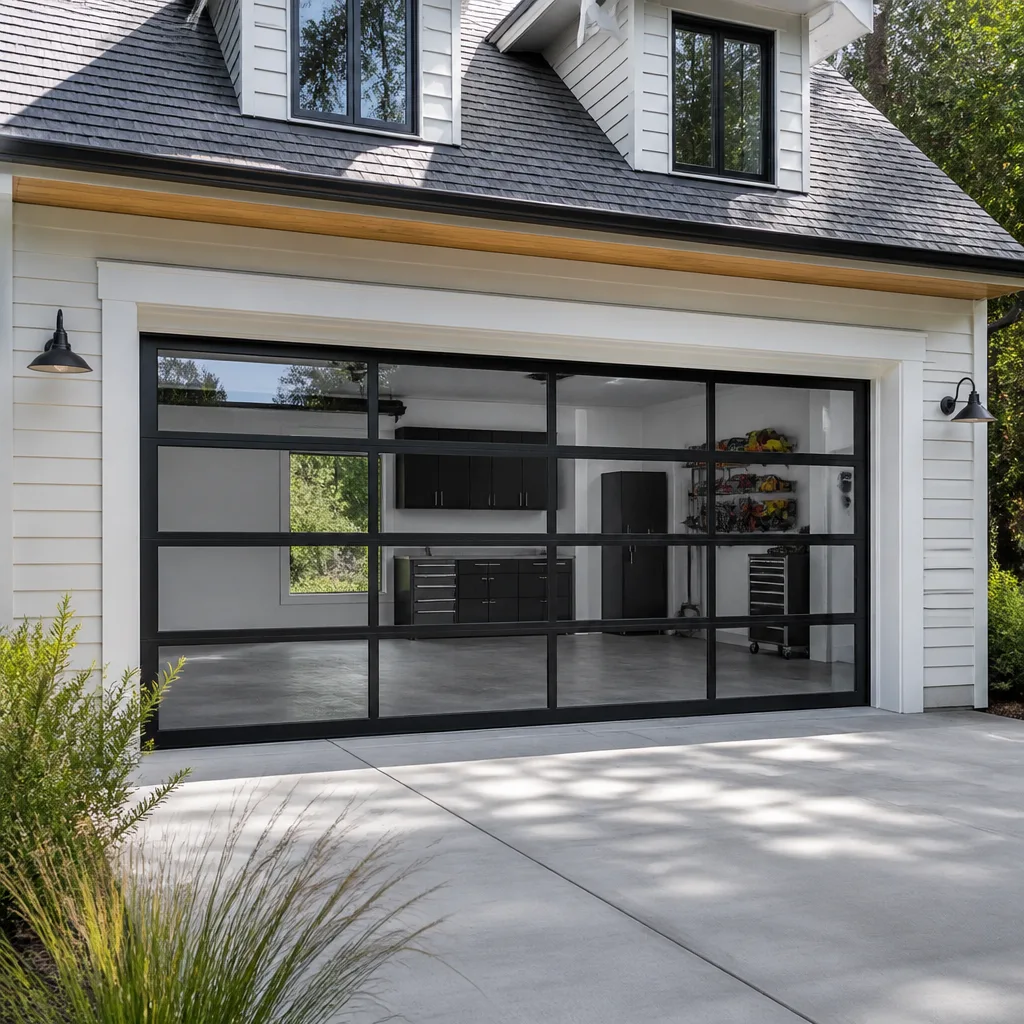 Full-view glass
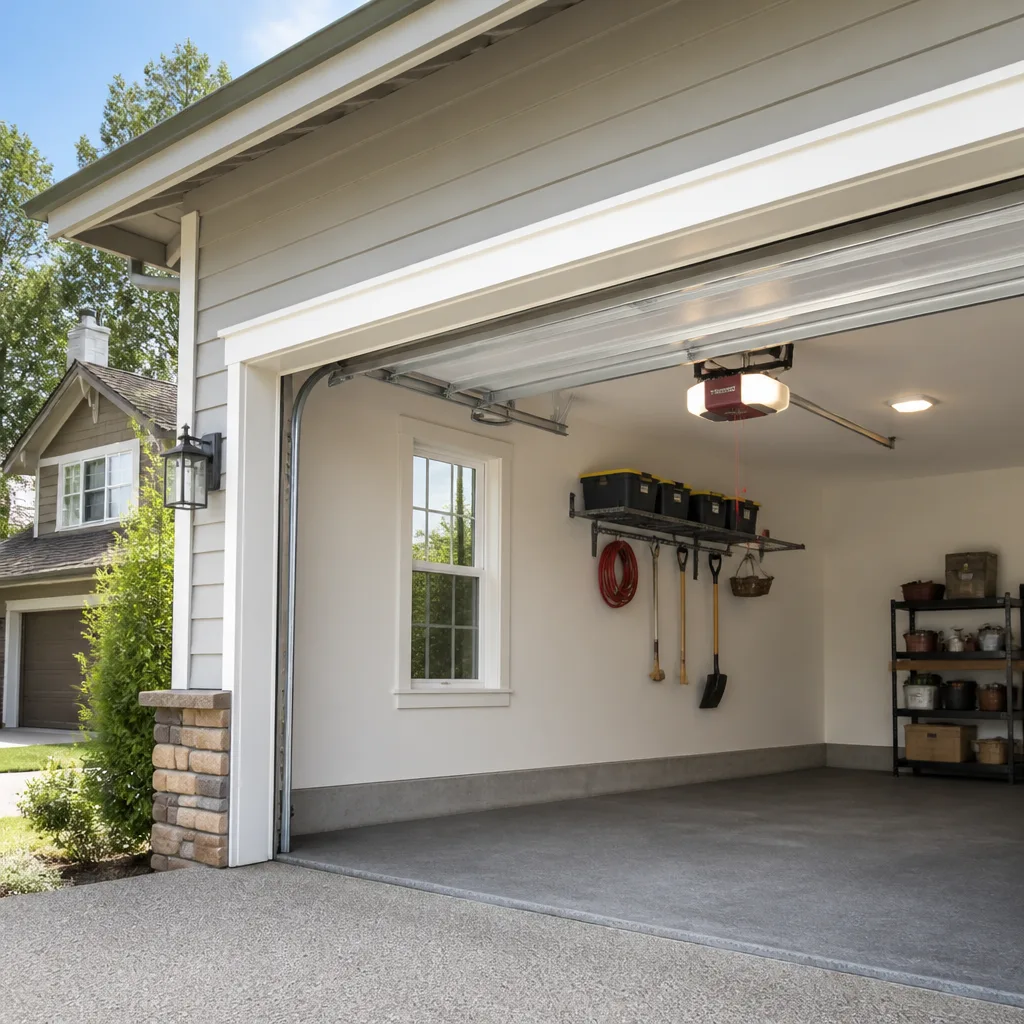 LiftMaster openers
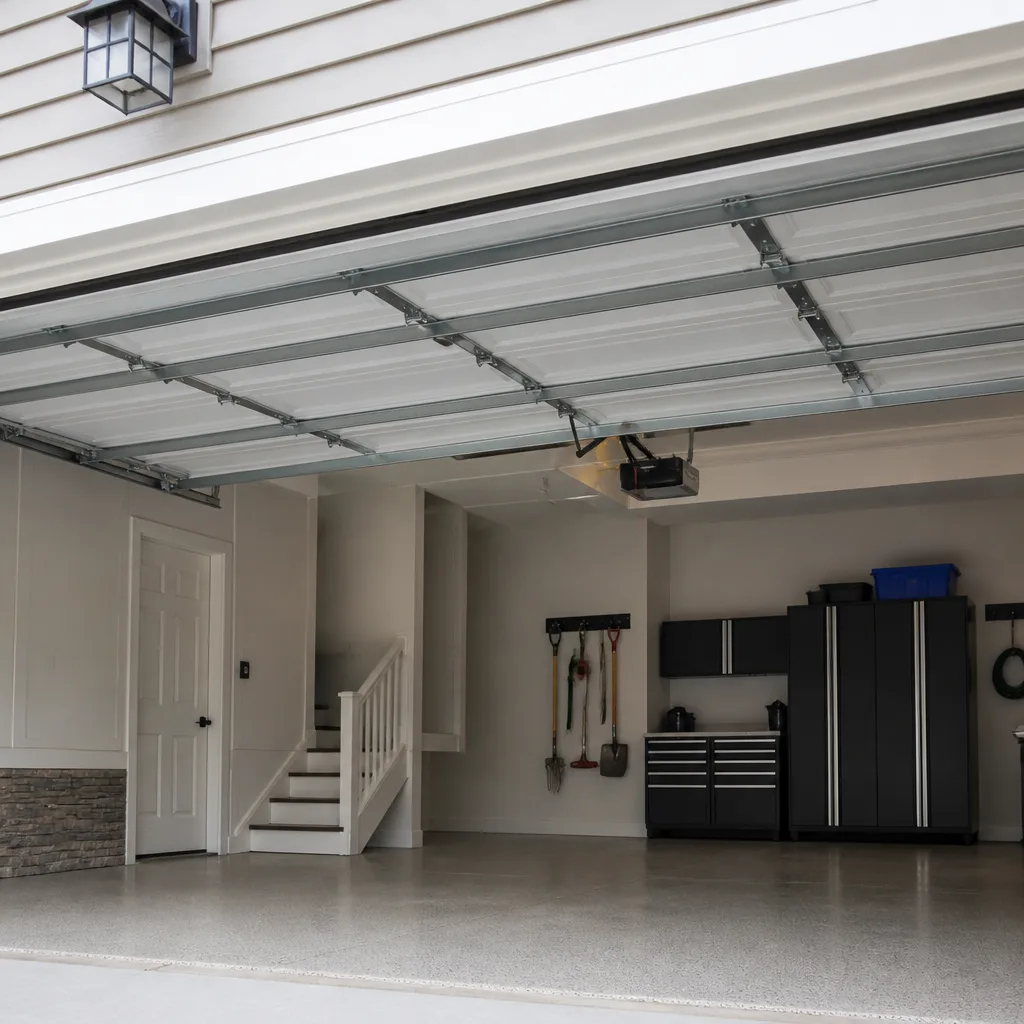 Chamberlain openers
Full 25-point door and opener safety check with every visit - springs, cables, rollers, tracks, and your LiftMaster or Chamberlain opener included
You get a price before we start. It does not change when the pro arrives.
Get your free estimateThe Complete Guide to Garage Doors in Concourse
Most garage door guides open with a showroom. We’re going to open with the building you actually live in. If you own a home in Concourse, chances are two or three people before you have already touched that door – one replaced the opener, another had springs swapped out, a third hung new panels on the same old track. That means your system is probably a mix of components from completely different eras, and diagnosing it takes a reader who understands all of them, not just the one brand on the box. This guide teaches you to identify what you own, understand why mixed systems fail the way they do, and decide between repair and replacement with a clear head.
Quick Answer
Garage door problems in Concourse come down to three systems: the door and its panels, the springs that counterbalance it, and the opener that runs it. Before you call anyone, identify the brand and type on each component, because mixed-age systems fail in predictable ways – a tired opener straining against new heavier springs, or new panels on track that’s been bent for a decade. Most issues are repairable when a technician knows the specific equipment. The written estimate sets the price, and the estimate is free.
Styles & brands we work with
- Raised-panel steel
- Carriage house
- Modern flush
- Full-view glass
- LiftMaster openers
- Chamberlain openers
Table of Contents
- How Do You Identify the Garage Door System You Already Own?
- Why Do Mixed-Component Systems Fail the Way They Do?
- How Do Concourse Home Structures Constrain Door Choices?
- Repair or Replace? A Component-by-Component Decision
- A Room-by-Room Inspection Checklist for Reading Your Door’s Condition
- Why Spring Work Is Safety Work, Never DIY
- What Your Opener Is Telling You (and What It Can’t)
- What to Do When the Door Won’t Move
How Do You Identify the Garage Door System You Already Own?
Before you call anyone, spend five minutes learning what you actually have. A technician who knows your exact components resolves a problem faster, and you avoid the classic trap of being sold a full replacement when one part of the system is the culprit. Here’s how to read your system from the ground up.
- Find the door manufacturer’s label. Look on the inside face of the bottom panel or along the door’s edge. You’re looking for Clopay, Amarr, Wayne Dalton, Raynor, or another name. The label often carries a model or series number that tells a technician the panel weight and construction – which matters later when you match springs.
- Identify the spring type. Look up at the shaft above the door. If the springs run horizontally and the shaft is overhead, those are torsion springs – the most common setup. If you see springs running parallel to the horizontal track on each side, those are extension springs. A center-mounted single spring is another variant. Each type is replaced differently and each carries different tension.
- Name the drive type on the opener. The opener is the motor unit at the ceiling. A chain drive uses a visible chain. A belt drive is quiet and uses a rubber belt. A screw drive uses a threaded rod. A jackshaft opener mounts to the wall beside the torsion shaft and turns it directly – common in low-headroom garages.
- Note the opener brand and control panel. LiftMaster, Chamberlain, Genie, and Craftsman cover the majority of installed units. The brand matters because opener repair on a LiftMaster is not the same as on a Genie, and the safety sensor and remote pairing procedures differ.
- Check the track and hardware. Run your eyes along the vertical and horizontal track. Look for rust, dents, loose brackets, and any track that has drifted out of plumb. Look at the hinges and rollers – nylon rollers, steel rollers, or a mix all tell a technician how the door has been maintained.
Write it all down – brand, spring type, drive type, opener brand, and anything that looks worn. When you call for garage door repair, a service that can work across brands will already know what it’s dealing with, and you’ll have a real conversation instead of a sales pitch.
Why Do Mixed-Component Systems Fail the Way They Do?
Concourse homes are old, and their garage doors show it. A 1960s door frame may now hold a 2005 Craftsman opener, springs replaced at some later point, and panels from a swap that never matched the originals. That’s normal. It’s also the source of most recurring problems we see homeowners describe as “the door keeps acting up” without a single clear cause. Mixed systems don’t fail randomly; they fail at the meeting points between components. Here are the patterns.
- New springs on an old opener. Springs are matched to the door’s weight, and when the springs get heavier or the door gets heavier, the opener has to work harder. A drive motor sized for a light wood door will strain against a heavier replacement panel. The symptom is an opener that groans, trips, or stalls halfway – but the real issue is a mismatch, not a broken opener.
- New panels on old track. Replacing warped panels without checking track alignment is common in Concourse, and it produces a door that binds, drifts to one side, or won’t close fully. The panels are fine; the track has been out of tolerance for years.
- An old Craftsman opener with modern safety sensors. Safety sensors have evolved, and a mismatched sensor/opener pairing is a frequent cause of a door that reverses immediately after touching the ground – a much-misdiagnosed failure.
- Extension springs that outlived their door weight. If a previous owner hung a heavier door on the same extension springs, the balance is off and the door is hard to lift by hand. That’s a sign the springs are no longer right for the door.
- Opener logic from a different generation. Smart features, remote protocol, and wall control wiring changed between generations of LiftMaster, Chamberlain, Genie, and Craftsman. A new wall control on an older opener can behave unpredictably.
The takeaway: treat the system as a whole. When we diagnose a door, we look at how the opener, springs, panels, and track interact before recommending a fix. A single replacement part rarely solves a mixed-generation problem on its own.
How Do Concourse Home Structures Constrain Door Choices?
What matters most in a garage door decision isn’t what looks good in a catalog; it’s what your structure will hold. Older Concourse homes come with a set of constraints that a generalist handyman or a showroom salesperson won’t flag until after the deposit is in. The house sets the envelope, and the door has to fit inside it.
The first constraint is headroom – the clear space directly above the door where torsion springs, the shaft, and the horizontal track need to live. Older construction often has less headroom than modern homes, which limits your spring type and can push you toward a low-profile setup or a jackshaft opener mounted on the wall. The second is the width of the driveway and approach. Older Concourse driveways are often narrower than the car that’s now parked in them, and that affects how carefully the door has to align on close, and whether wide panels will clear neighboring structures. The third is the rough opening itself – older framing can be out of square, and a door ordered to a number pulled off a tape measure without checking for square will bind. A proper measurement catches that before a door is ordered.
Concourse summers bring real heat and humidity, and winters bring freeze-thaw cycles that work on seals, thresholds, and steel panels. That’s relevant to material choice: wood panels need more attention in this climate than steel, and seals and bottom weather stripping should be checked each season rather than assumed. It doesn’t mean wood isn’t right for a Concourse home, but it does mean choosing panels with climate in mind instead of aesthetics alone.
If your structure forces a door change rather than a repair, that’s a scheduling conversation, not an emergency one. A proper garage door installation begins with a free measure and a written price, not a same-day promise.
Repair or Replace? A Component-by-Component Decision
Most garage door questions are really one question: do I repair this or replace it? The answer depends entirely on which component you’re talking about. Treating it as a whole-door decision is how homeowners end up paying for a full replacement when they needed springs.
- Panel: A single dented or cracked panel is usually replaced on its own, matched to the door’s model. Replace the whole door when panels are failing across several sections, or when the original model is no longer made and a match isn’t possible.
- Springs: Repair, almost always. Torsion and extension springs are wear items designed to be replaced. They’re replaced as a matched pair where the shaft is shared, because both have done the same work.
- Rollers and hinges: Repair. These are inexpensive wear items and replacing them is a routine maintenance step that reduces noise and strain on the opener.
- Track: Repair when one section is bent; replace when the track is out of plumb along its full run. This is a case where the specific damage decides.
- Opener: Repair when the logic board, sensors, or drive assembly is the fault and the unit is of a serviceable generation. Replace when the safety reverse system is no longer supported or the drive is failing across multiple parts on an old unit.
- Whole door: Replace when the panels are structurally failing, the door is unsafe to operate, or the model is obsolete and impossible to support with parts. Even then, ask for the specific reason each component fails the threshold.
A technician who works across brands – not a single-brand dealer – is far less likely to make a replacement sale where a repair would do. Same door, fixed right, is the goal. When a repair situation genuinely becomes a replacement situation, you shouldn’t need a second company to finish the job.
A Room-by-Room Inspection Checklist for Reading Your Door’s Condition
You can learn a great deal about a garage door’s health without touching a single high-tension component. Here’s a checklist organized the way a technician walks a door: from outside, then under, then overhead. None of these steps involve disconnecting or adjusting the springs.
- Outside the door. Stand on the driveway and look at the gap between the bottom seal and the ground. A gap on one side means the door is out of balance or the track has drifted. Look at the panels for dents, cracks, or separation between sections.
- At the threshold. Check the bottom weather stripping for tears or flattening. A worn seal lets water and drafts into a Concourse garage throughout the freeze-thaw season.
- By the wall control. Press the wall button and watch the door open. Listen for grinding, scraping, or a motor that sounds labored. Note whether the door moves smoothly or with a jerk at one point.
- Under the door (safety reverse test). With the door closing, wave a hand through the safety sensor beam at the floor. A properly functioning door reverses immediately. If it doesn’t, that’s a safety issue to address before you use the door again.
- At the sides (track and rollers). Look along the vertical and horizontal track for rust, bends, or loose bolts. Spin a roller by hand; if it wobbles or sounds rough, it’s a wear item worth replacing. Never reach up to the springs themselves.
- At the ceiling (opener and hardware). Look at the opener housing for loose mounting bolts, and check that the door’s braces are secured to the framing. Look at the springs from a distance only – note the type, don’t touch them.
- The manual balance test. With the door closed, pull the manual release cord (the red handle) to disconnect the opener, then lift the door a foot by hand. A balanced door should stay roughly where you put it. If it drops or lifts on its own, the springs need attention from a professional.
If the checklist turns up something, write down what you saw. When you call for garage door opener repair or a spring assessment, those details help a technician arrive prepared.
Why Spring Work Is Safety Work, Never DIY
Springs are the one part of a garage door system that carries a genuine, immediate hazard. Torsion and extension springs store enormous tension – the tension that balances the entire weight of the door. Releasing or adjusting that tension without the right tools and training can cause serious injury, and that’s why spring repair belongs to a trained professional every time. We say this as a matter of principle, not as a sales tactic.
What you can safely do is recognize when springs need attention. Look for these signals from a distance:
- A visible gap in a torsion spring coil, or an extension spring that looks stretched out compared to its neighbor.
- A door that’s become unusually heavy to lift by hand.
- A loud bang from the garage (a spring releasing is often heard rather than seen).
- A door that opens a few feet and stops, or one side sagging lower than the other.
- An opener that’s suddenly straining on a door it used to lift easily – a sign the balance has changed.
If you see any of these, stop operating the door and call for help. A proper spring repair service treats the job as the safety-critical work it is: it identifies the spring type and the correct replacement, replaces paired springs together, and checks the whole counterbalance system afterward. A generalist handyman without specific spring training isn’t the right call for this. Our technicians have up to 14 years of experience, and spring work is where that experience matters most.
What Your Opener Is Telling You (and What It Can’t)
The opener is the part homeowners see and hear, which is why it takes the blame for problems that live elsewhere. An opener is doing its job if it moves the door smoothly, stops when the sensor beam is broken, and reverses on contact. When it doesn’t, the cause could be the opener itself or the door it’s pulling. Here’s how to tell the difference.
- The door reverses immediately on closing. Most often the safety sensors are misaligned, dirty, or the beam is blocked. It can also be a sensor/opener mismatch. Check that both sensor lights are on and the beam is clear before anything else.
- The opener strains or stalls halfway. Usually a balance issue – the springs aren’t carrying the door’s weight, so the opener is doing work it wasn’t designed for. Fixing the opener won’t solve it.
- The door won’t open at all. Could be a dead remote battery, a wall control issue, a safety sensor fault, or a logic board problem. The cause distinguishes a five-minute fix from an opener repair.
- The opener runs but the door doesn’t move. Often the manual release was pulled and never reconnected, or the drive gear has failed.
- Smart features stopped working. Connectivity and remote pairing differ by brand and generation across LiftMaster, Chamberlain, Genie, and Craftsman. It takes a technician who knows that specific unit.
The thing an opener can’t tell you is whether it’s the right opener for your door. If a previous owner swapped the opener but not the springs, the mismatch is invisible from the wall button and only shows up in how hard the motor works. That’s where our multi-brand fluency earns its keep – we work on your brand and on the system around it.
What to Do When the Door Won’t Move
A garage door stuck open or stuck closed creates a real problem, not an annoying one. Stuck open means your home is exposed and your belongings are accessible. Stuck closed means a car is trapped inside. Both are the kind of situation where you need a straight answer fast, not a callback three days later.
If the door is stuck partway or won’t move, the first thing to do is avoid forcing it. Don’t repeatedly press the button hoping the motor catches; don’t try to lift a heavy door by hand while the springs may be the issue. If the door is stuck open overnight, the practical move is to secure the space as best you can until a technician arrives. If it’s stuck closed, plan around the car inside for the short term and call for help.
Emergency response for a failed door or opener is a real service, not a marketing phrase. Depending on the fault, some problems are resolved on the first visit and some need parts, but a technician who arrives with the right diagnostic approach can tell you quickly which one you’re dealing with. Call (844) 542-3280. We answer 24/7, with fast dispatch from 7am to 7pm, Sunday through Friday. A call outside dispatch hours is booked into the next opening, Sunday through Friday, 7am to 7pm. The morning your door fails on a Saturday, calling and booking Sunday is a real plan.
Common Mistakes to Avoid
- Calling a single-brand dealer for a mixed-brand system. If your opener and door panels are from different manufacturers, a dealer who only carries one brand will often push a full swap. Find a technician who works on whatever is already installed.
- Forcing a heavy door into motion. If the door suddenly feels heavy, the springs have likely lost their balance. Forcing it strains the opener and can damage the door. Stop and call for a spring assessment.
- Trying to adjust or replace springs yourself. This is the most dangerous mistake on this list. The tension in those springs can cause serious injury. Spring work is for trained professionals, no exceptions.
- Replacing panels without checking the track. A common Concourse scenario – new panels go on and the door still binds because the track has been out of tolerance for years. Have the full system checked first.
- Ignoring a worn bottom seal. In Concourse’s freeze-thaw climate, a torn seal invites water and cold air into the garage every winter. It’s a small, low-cost part of maintenance that gets skipped.
- Assuming a noisy opener means a new opener. Noise often comes from worn rollers or a loosened chain, both repairable. Diagnose before replacing.
- Getting a verbal price and nothing in writing. The written estimate is the price. Ask for line-item pricing before any work starts, and get the estimate in writing.
See the difference
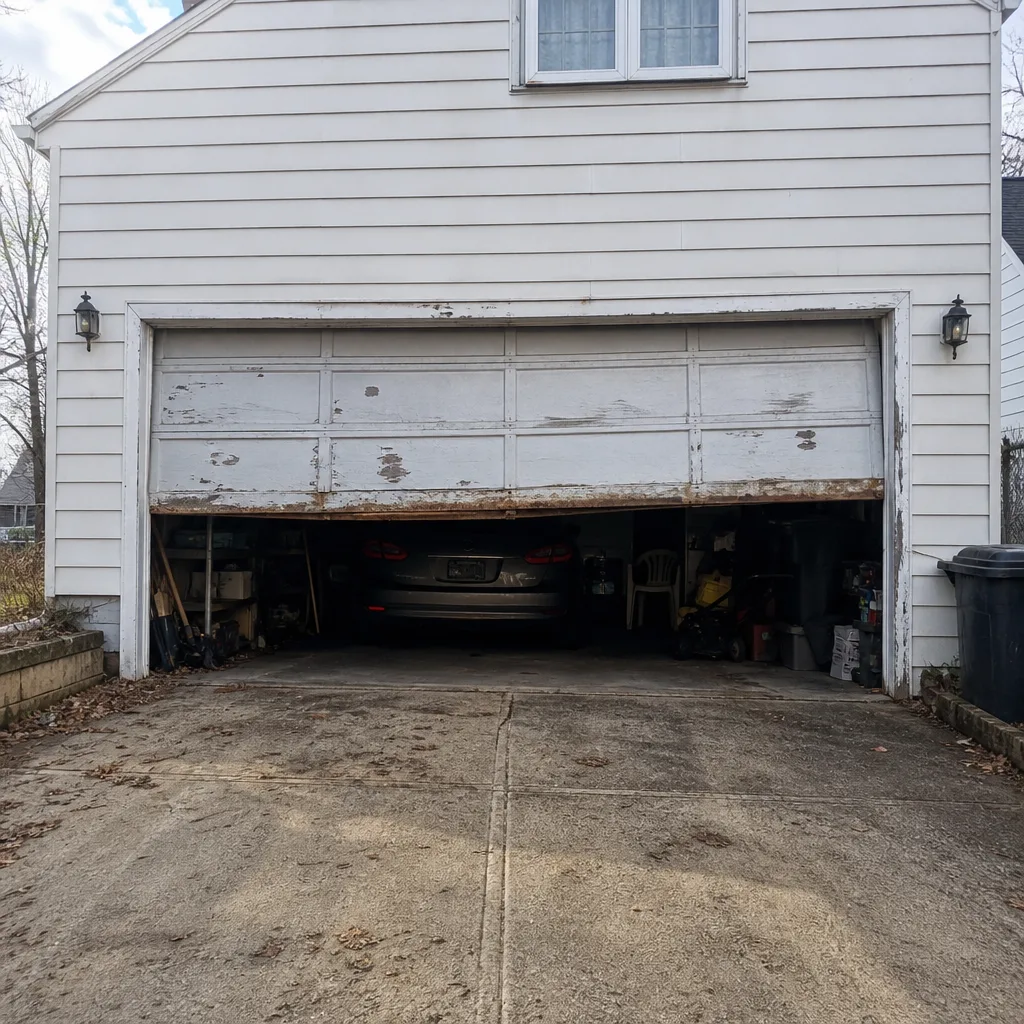 Before
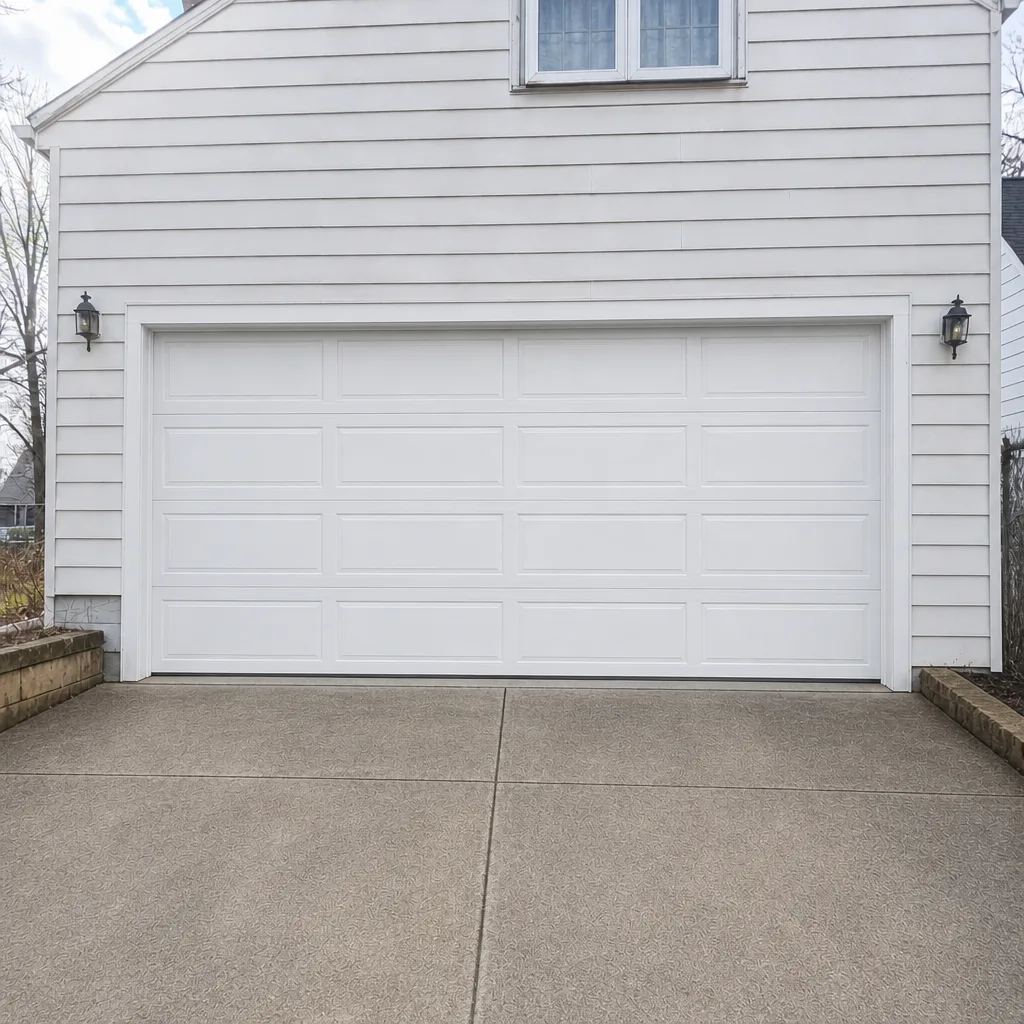 After
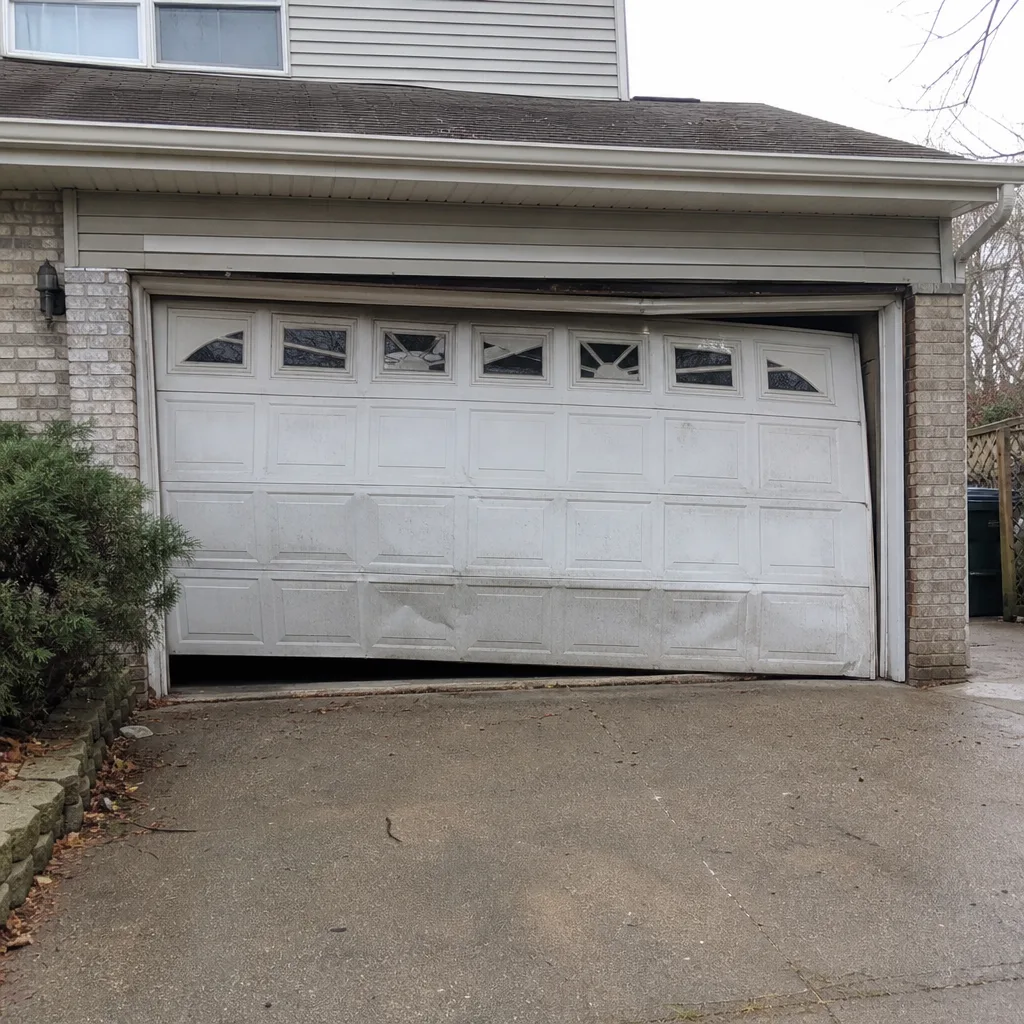 Before
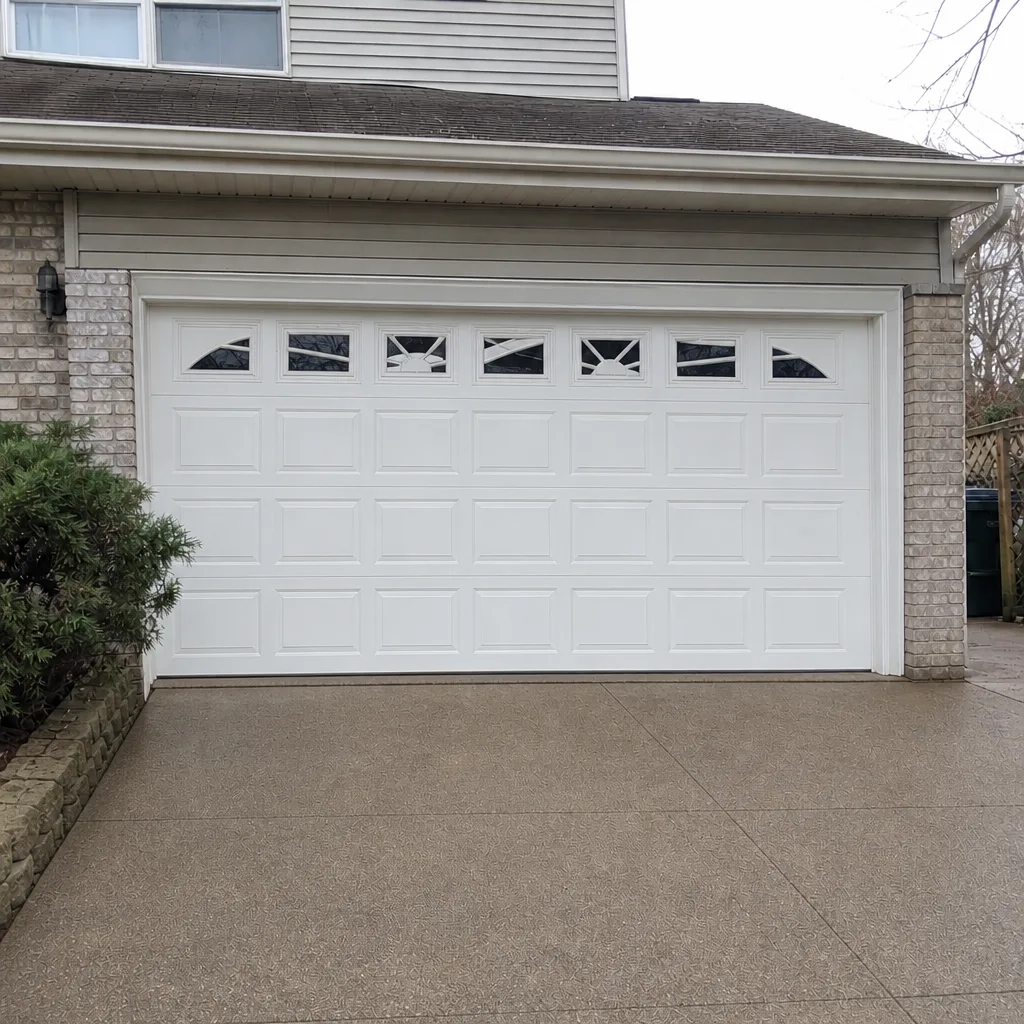 After
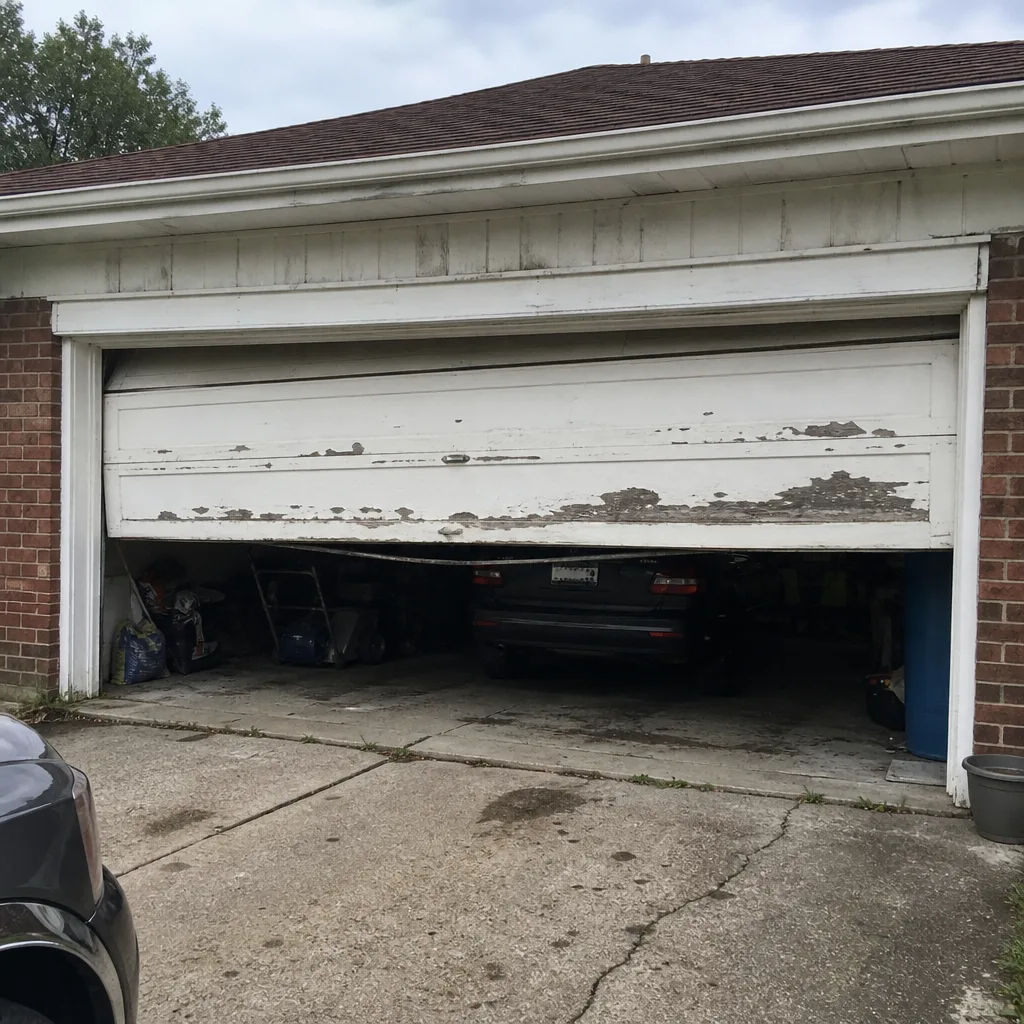 Before
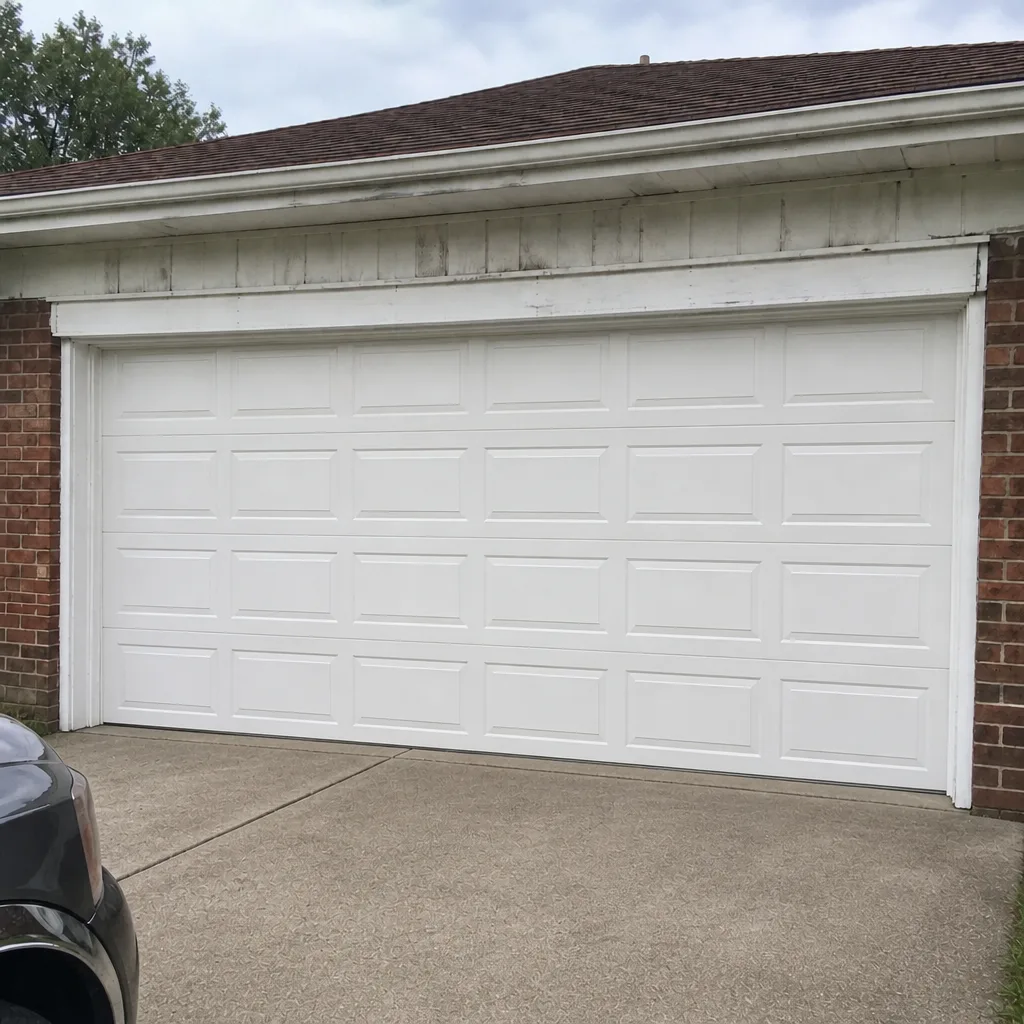 After
When to Call a Professional
Call a trained technician when the door won’t open or close, when it’s stuck open and your home is exposed, or when it’s stuck closed with a car inside. Call for any spring issue – a bang, a heavy door, a sagging side, or a door that reverses on close. Call when the opener strains, reverses unpredictably, or stops responding. Call when a repair decision feels ambiguous, so a technician can tell you whether it’s one component or the whole system. And call if you’re unsure whether a job is beyond a handyman’s scope: Garage Door Repair Concourse offers free estimates in Concourse. Call (844) 542-3280. We answer 24/7, with fast dispatch from 7am to 7pm, Sunday through Friday.
Frequently Asked Questions
Look for a manufacturer’s label on the inside face of the bottom panel or along the door’s edge; you’ll typically see Clopay, Amarr, Wayne Dalton, or Raynor. The label usually carries a model or series number that tells a technician the panel weight and construction, which matters when matching springs. If the label is missing, a technician can often identify the manufacturer from panel design and hardware. Call (844) 542-3280 for an exact quote – estimates are free.
Yes. Mixed-age systems are the norm in older Concourse homes, and most can be repaired when a technician knows how the components interact. The failure is usually at the meeting point – springs matched to the wrong door weight, or panels on track that’s out of alignment. A multi-brand service can diagnose and resolve the specific mismatch rather than pushing a full replacement. Call (844) 542-3280 for an exact quote – estimates are free.
Pricing is per job by written estimate, because a spring repair and an opener repair are different jobs with different parts. The important thing is that the price is quoted and agreed before any work starts, so there’s no surprise on the invoice. The estimate itself is free. Call (844) 542-3280 for an exact quote – estimates are free.
No. The written estimate sets the final price, and we agree it with you before the work starts. That’s why a proper visit includes inspecting the full system, not just the symptom you described on the phone. Call (844) 542-3280 for an exact quote – estimates are free.
Same-day help is available for stuck doors and failed openers. A door stuck open is a security issue and a door stuck closed can trap a car, so these are prioritized. Call (844) 542-3280. We answer 24/7, with fast dispatch from 7am to 7pm, Sunday through Friday.
Yes. The local professionals we connect you with are licensed and insured as their state requires. Our technicians have up to 14 years of experience and work across LiftMaster, Chamberlain, Genie, Clopay, Amarr, Wayne Dalton, Craftsman, and Raynor equipment. Call (844) 542-3280 for an exact quote – estimates are free.
The Bottom Line
The most valuable skill a Concourse homeowner can develop with a garage door is knowing what they actually have. Brand on the panels, spring type overhead, drive type on the opener – those three pieces of information change the conversation. They let a technician diagnose your specific system instead of guessing, and they protect you from a replacement sale you didn’t need. When something’s wrong, read the door like a technician, get a written estimate before work starts, and leave spring work to the professionals. For anything beyond maintenance, call (844) 542-3280 for a free estimate. We answer 24/7, with fast dispatch from 7am to 7pm, Sunday through Friday.
Written by the team at Garage Door Repair Concourse.