
Last updated November 21, 2026
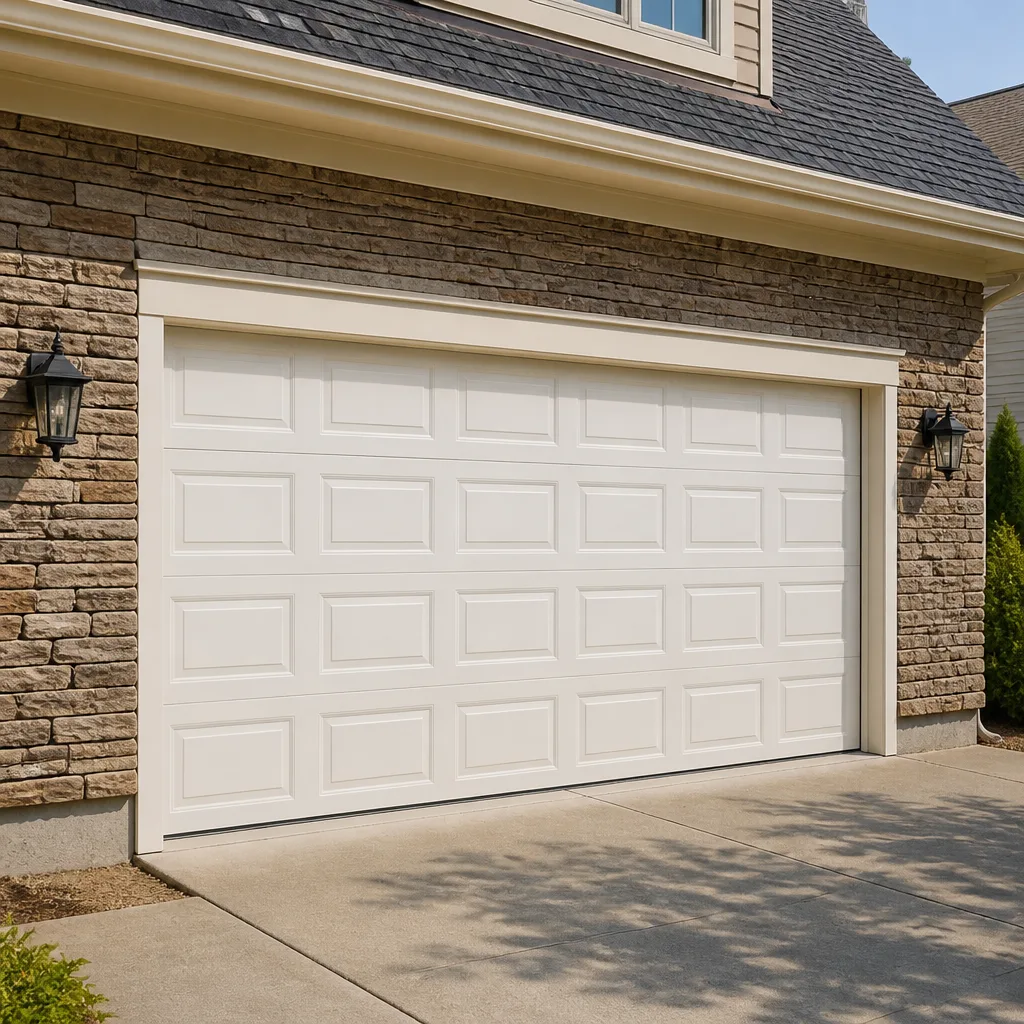 Raised-panel steel
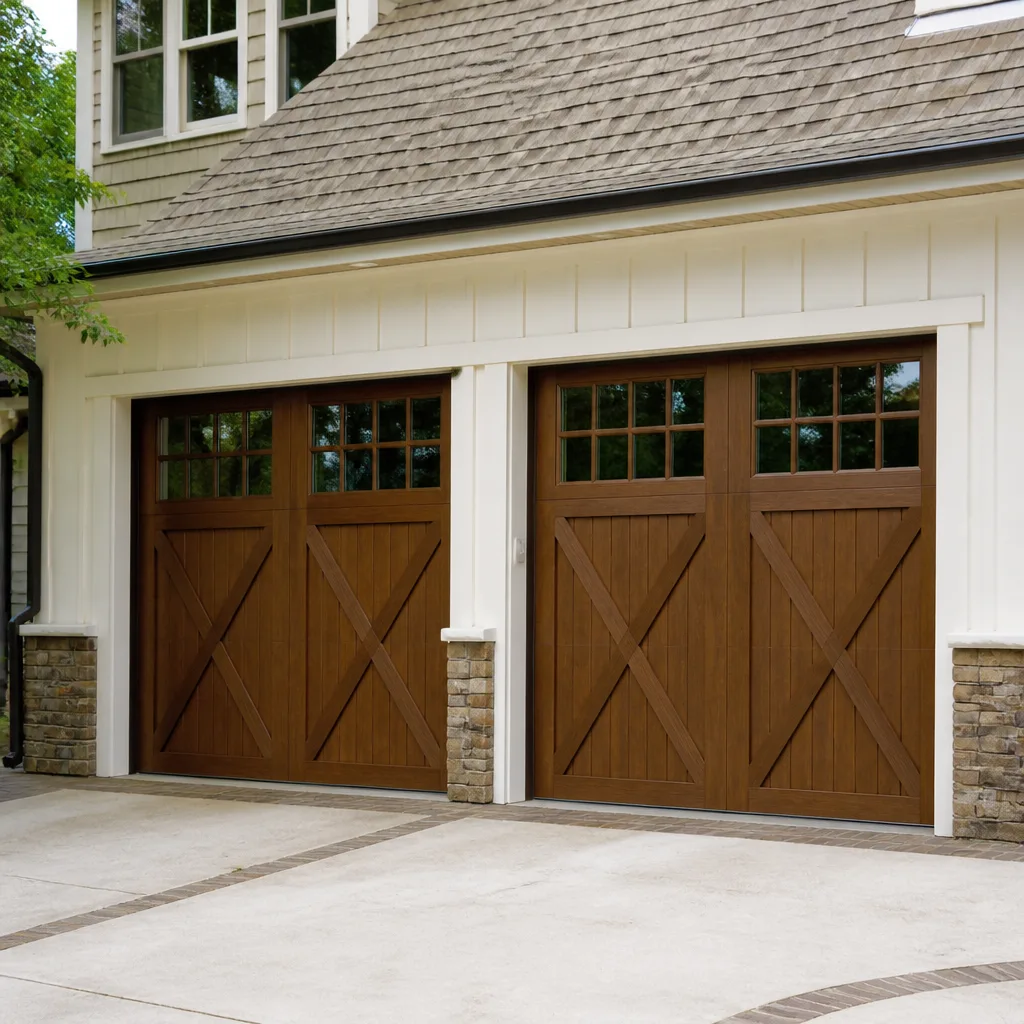 Carriage house
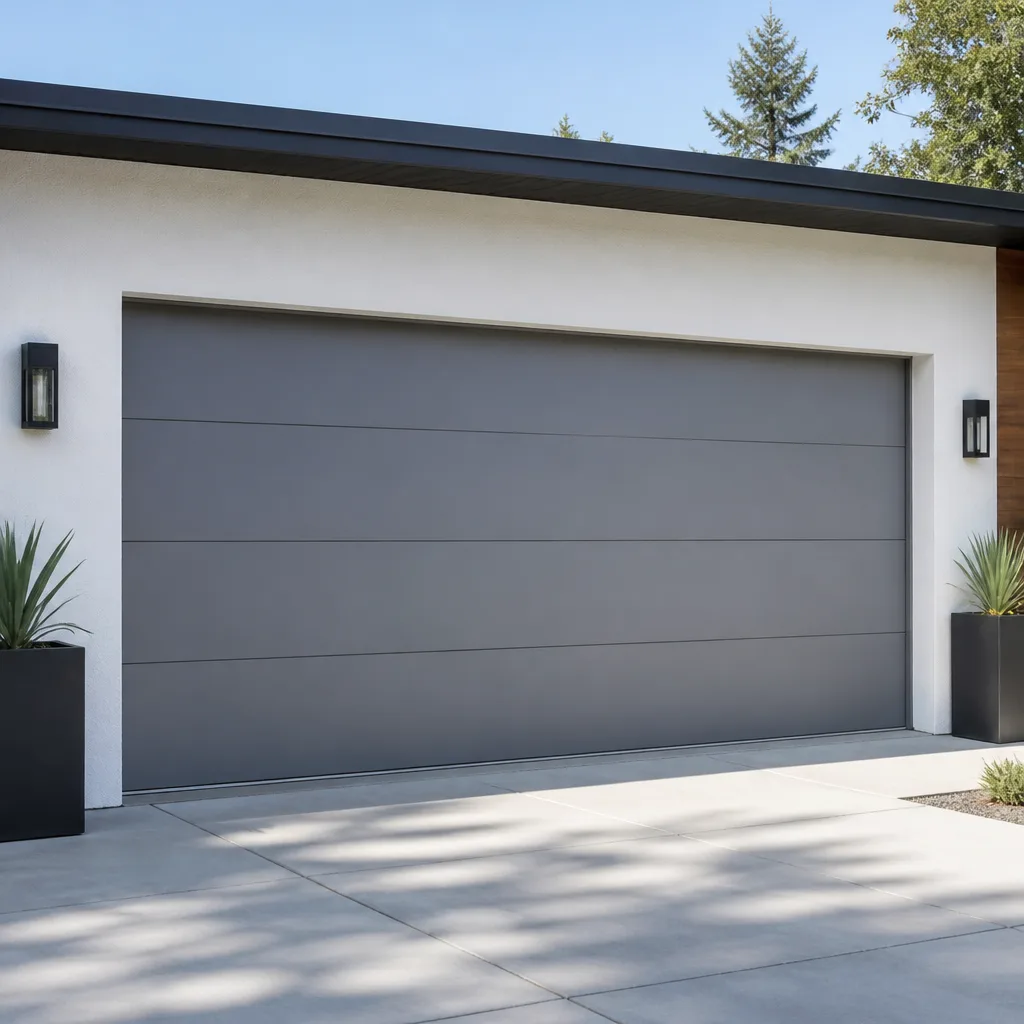 Modern flush
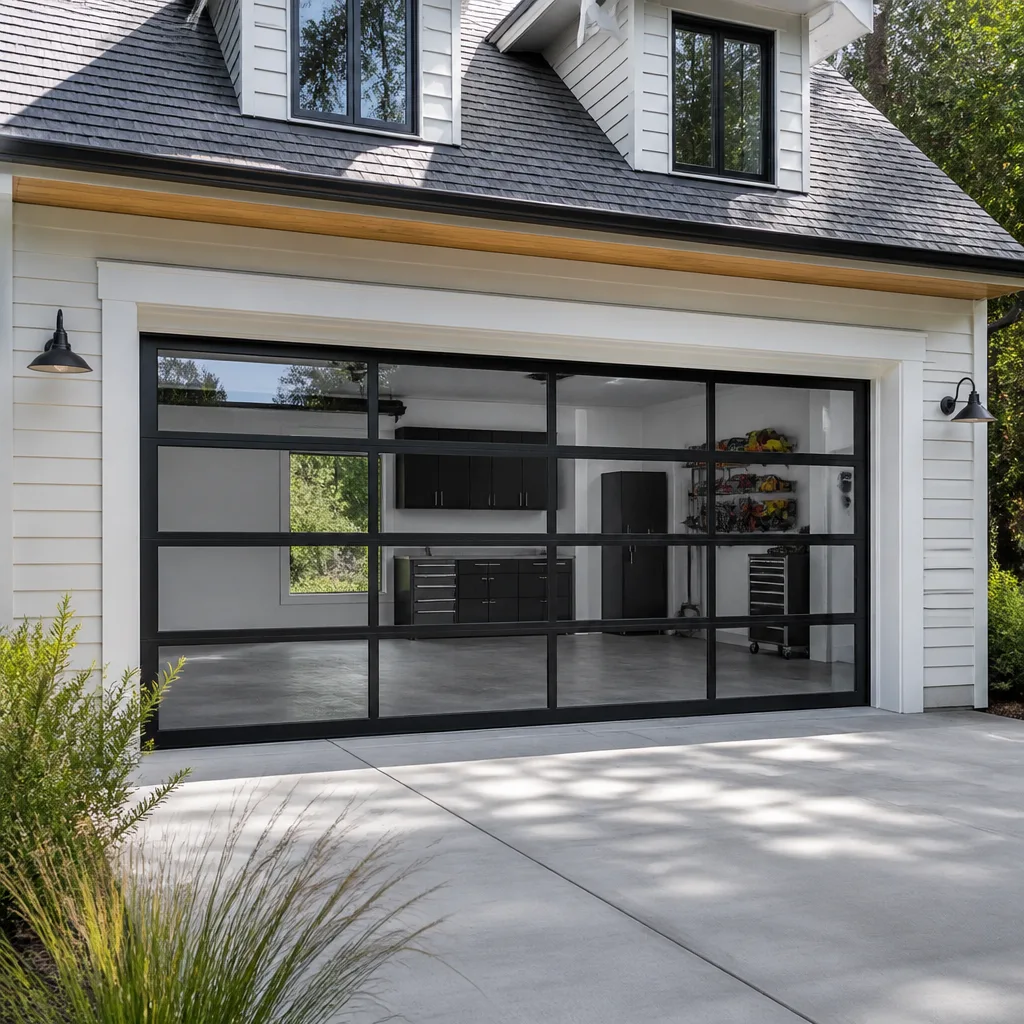 Full-view glass
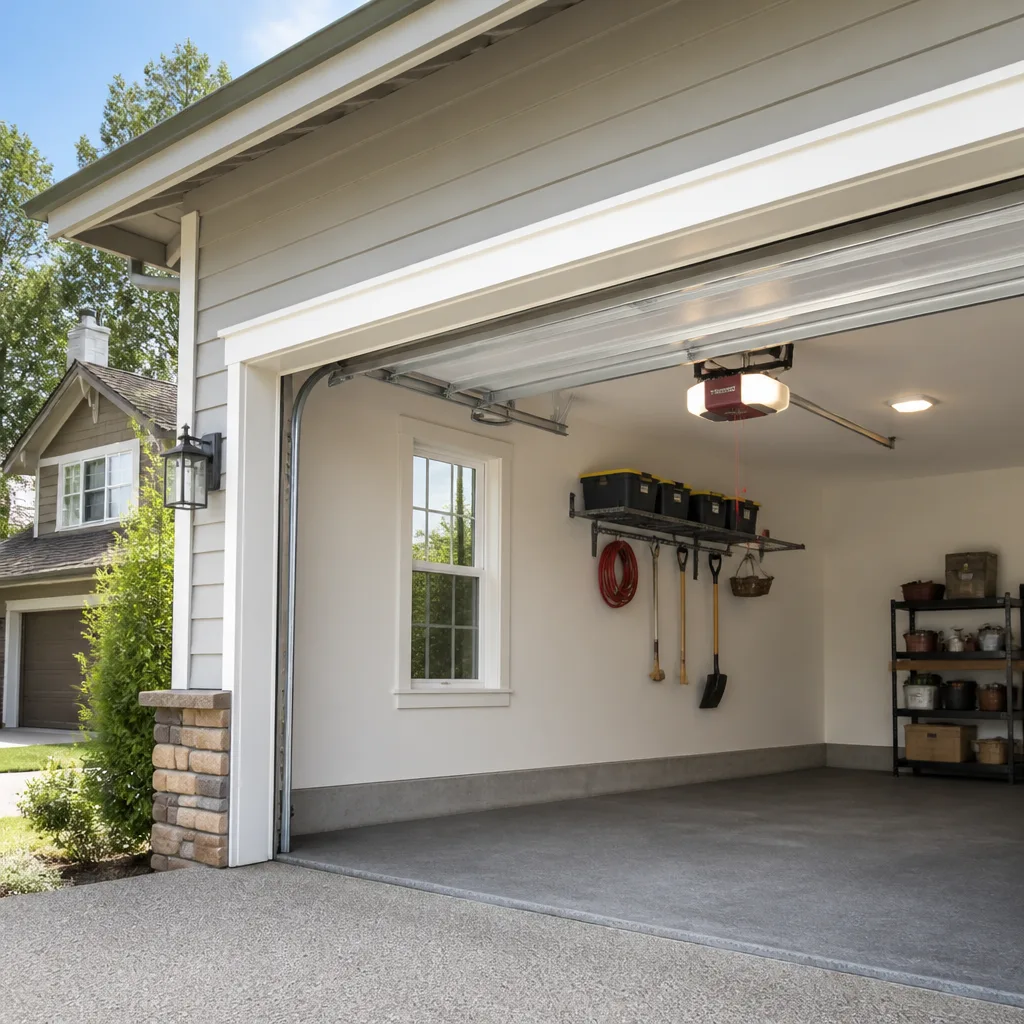 LiftMaster openers
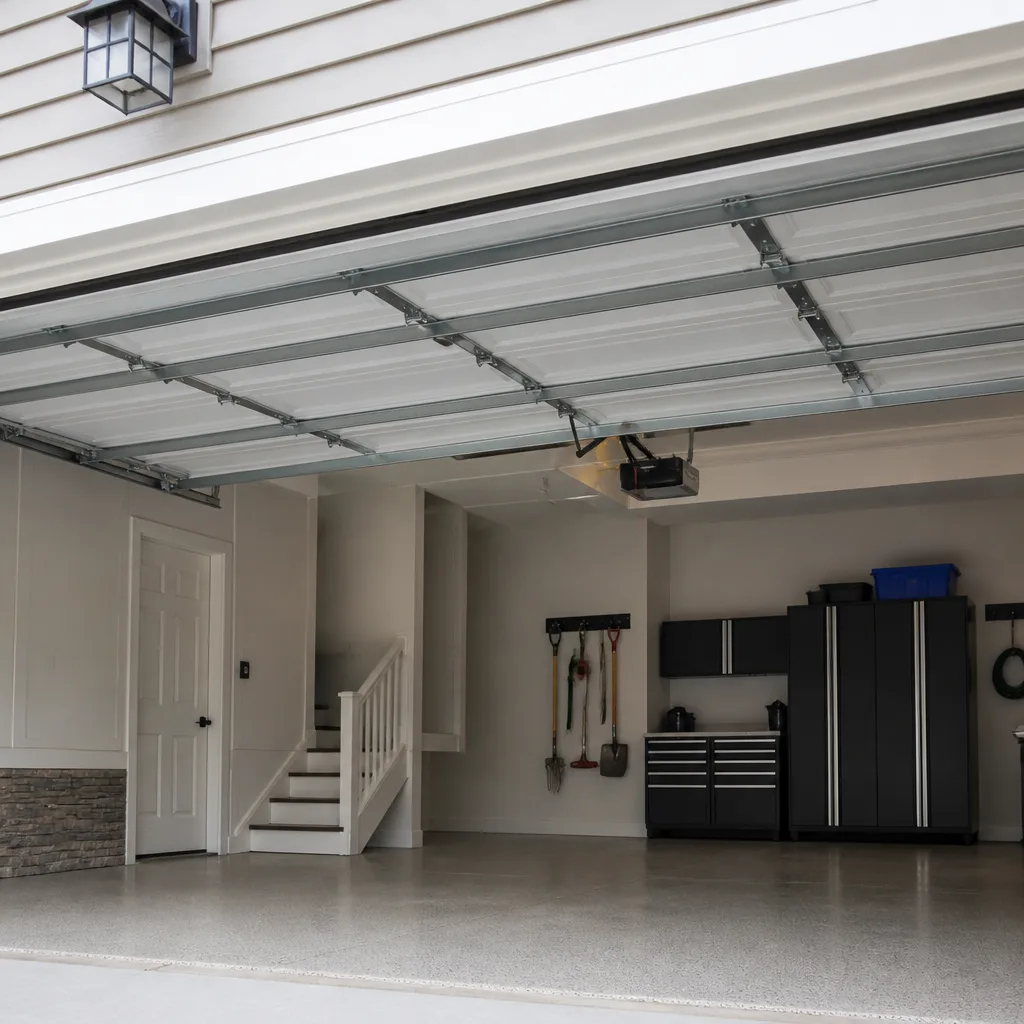 Chamberlain openers
Full 25-point door and opener safety check with every visit - springs, cables, rollers, tracks, and your LiftMaster or Chamberlain opener included
You get a price before we start. It does not change when the pro arrives.
Get your free estimateGarage Door Repair Maintenance Checklist for Concourse Homeowners
Most garage door advice fails on one word: “lubricate.” Lubricate what, with what, and what happens if you reach for the wrong can? Spraying WD-40 on a torsion spring is one of the most common homeowner mistakes we hear about in the Bronx. It strips the protective coating that keeps the coils from rusting, and it turns a spring that would have lasted years into one that starts to corrode. A checklist that doesn’t name products isn’t a checklist; it’s a liability. This guide walks through the whole system part by part – which lubricant goes where, which parts should get nothing at all, the specific sounds that tell you a component is failing, and maintenance intervals that account for Concourse’s grit, humidity, and cold snaps.
Quick Answer
A garage door maintenance checklist for Concourse homeowners should cover lubrication of the springs, rollers, hinges, and tracks; a visual check of the cables, spring coils, and roller wear; a balance test with the opener disconnected; a travel-limit and auto-reverse test; and a hard look at the door panel and seals. Do it twice a year and after any cold snap. Anything involving torsion springs or cables gets inspected, never adjusted – those are high-tension parts, and working on them without the right tools is genuinely dangerous.
Styles & brands we work with
- Raised-panel steel
- Carriage house
- Modern flush
- Full-view glass
- LiftMaster openers
- Chamberlain openers
Table of Contents
- Which Lubricant Goes Where (and Where Nothing Goes)
- The Sounds Each Failing Component Makes
- Reading Wear on Springs, Cables, and Rollers
- How to Test Balance, Travel Limits, and Auto-Reverse Safely
- Maintenance Intervals for Concourse’s Urban Environment
- What Brand-Specific Maintenance Looks Like
- Common Mistakes to Avoid
- When to Call a Professional
Which Lubricant Goes Where (and Where Nothing Goes)
The single most useful thing you can learn about garage door maintenance is that “garage door lubricant” is not one product. Different parts of the same door want different treatments, and a few want none at all. Getting this right is the difference between a door that runs quietly for years and one that drips, collects grit, and squeals anyway.
Here’s the part-by-part breakdown. Match the lubricant to the component, not the other way around:
- Torsion springs and extension springs: lithium grease in a light smear, applied only to the coils. Never WD-40, never silicone spray, never any product that goes on wet and dries. A light film of lithium grease is what keeps the coils from holding moisture – which matters in Concourse, where humid summer air and road grit settle on every surface.
- Rollers (steel): a drop of light motor oil or a quick shot of silicone spray on the bearing, not the wheel. The roller itself stays clean; the bearing is what needs the lubricant.
- Rollers (nylon): nothing. Nylon rollers are self-lubricating by design. Adding anything attracts grit and shortens their life.
- Hinges: lithium grease on the pivot points. White lithium spray in a can is the easiest way to apply it without overdoing it.
- Tracks: nothing goes inside the channel. The rollers ride in there, and any lubricant inside the track turns into a paste of dust and grit that clogs the rollers and slows the door. Wipe the inside of the track with a clean rag and leave it dry.
- Cables: nothing. Cables are lubricated at the factory. Adding oil attracts dirt into the strands, and oil on a cable under high tension gives you no benefit and one more thing to wipe off your hands.
- Opener rail and chain: a small amount of the manufacturer’s recommended grease on the chain, if the opener uses one. Belt-driven units generally need nothing beyond a visual check. Check the manual for whatever LiftMaster or Chamberlain model you have – the spec is usually in there.
If you only remember one rule from this guide, make it this: WD-40 is not a lubricant for a garage door. It’s a light oil and solvent combination that cleans and displaces moisture, and it will strip the coating off a spring faster than the spring would wear out on its own. Use it on a rusty bolt, not on your torsion spring.
The Sounds Each Failing Component Makes
“Unusual noise” is useless advice. Every garage door makes noise – the trick is knowing which noise points to which part, so you can tell the difference between a door that needs lubrication and one that needs a technician. In our experience, the sound tells you more than the visual inspection does.
Here’s how to decode what you’re hearing:
- A high-pitched squeal or chirp, once per cycle: usually a dry hinge or a bearing on a steel roller. This is the cheapest fix on the list, and it’s the one most worth catching early because a dry bearing wears the roller flat.
- A rhythmic bang or thud, once per cycle: a worn hinge that’s developed slack, or a loose roller stem banging in its bracket. If the door still runs true, this is a lubrication job with a hinge inspection.
- A loud snap from one side of the door: this often points to a torsion spring that’s failed or is about to. Stop operating the door when you hear this – the opener is now doing the spring’s job, and it will fail if you keep running it.
- A grind or scrape that gets louder as the door moves: a roller that’s seized, or a cable that’s jumped the drum or the track. Stop the door and look before you run it again.
- A rattle or clatter that’s much worse in cold weather: this is usually a metal-on-metal contact between a hinge and the panel, or a panel that has loosened its grip on the aluminum. Cold metal contracts, clearances tighten, and a Concourse winter exposes every loose bolt on the door.
The one to take seriously is the snap. If a spring has broken, the door becomes dead weight on the opener, and operating it can also be dangerous. Call for garage door spring repair and don’t run the door until a technician has looked at it.
Reading Wear on Springs, Cables, and Rollers
Springs and cables don’t fail without warning – they leave traces, if you know where to look. The trouble is that most of those traces are visible only on a careful inspection, and that means you have to know what a healthy part looks like first.
Torsion springs
A healthy torsion spring is evenly wound with no visible gaps, no flakes, no rust pits, and a consistent color from one end to the other. Signs it’s on its way out:
- A gap in the coil, even a small one. A broken torsion spring separates into two halves, and the break always happens along a coil, so a visible gap is the end of the line.
- Rust pitting along the wire surface. This is accelerated by WD-40 use, because the coating that keeps the spring from rusting is what got stripped.
- Uneven coil spacing with one side tighter than the other. This can happen on a spring that’s been adjusted many times and is close to its limit.
- A door that feels heavy on the way up, even with the opener doing the lifting. This often means the springs have lost tension and are carrying less of the door’s weight than they should.
Never try to tighten, adjust, or replace a torsion spring yourself. It’s a high-tension component under hundreds of pounds of force, and the tools that make it safe (winding bars, proper winding techniques) aren’t in a homeowner’s kit. This is the part of the checklist where the right answer is “note what you see and call a professional.”
Cables
Cables run from the springs to the bottom corners of the door, and they fail by fraying. Look for:
- Frayed strands, especially near the drum or the bottom bracket. A cable fraying in more than one place is a cable to replace, not to repair.
- A cable that’s jumped the drum. This is not a “re-seat it” job – the door has already been running off-balance, and the spring may be involved.
- Any sign of rust at the cable end. Cables are under enough tension that corrosion is a weakness, not a cosmetic issue.
Rollers
Rollers should turn freely and sit square in the track. A roller that’s worn flat on one edge, won’t spin, or wobbles in its bracket is a roller to replace. On a Concourse door that gets a lot of cycles – a daily driver parked in the garage, a family door – rollers are among the first parts to wear out. If you notice any wobble, the roller is worth replacing before it fails and scores the track.
How to Test Balance, Travel Limits, and Auto-Reverse Safely
Testing balance, travel limits, and auto-reverse is the most valuable check a homeowner can do alone, because it tells you whether the door is fighting the opener. A door that isn’t balanced forces the opener to do work the springs should be doing, and that shortens the life of both. These three tests take five or ten minutes.
Balance test
- Close the door and disconnect the opener using the manual release pull cord (the red handle hanging from the rail).
- Lift the door halfway by hand. It should hold roughly where you stop it.
- If it drifts down, the springs are under-tensioned. If it drifts up, they’re over-tensioned. A door that drops fast is a door you shouldn’t operate until the springs are checked.
Don’t try to adjust the springs yourself to fix an out-of-balance door. The test tells you there’s a problem; it doesn’t give you the tools to solve it safely.
Travel limit test
- Reconnect the opener and run the door fully open and fully closed twice.
- Watch where it stops. The door should close flush against the floor seal and open fully without the opener straining.
- If the door stops short, the down limit needs to be adjusted. Most modern openers, including LiftMaster and Chamberlain units with electronic limits, let you set the limits from the control panel – follow the manual for your specific model.
Auto-reverse test
- With the door open and clear of people and pets, place a 2×4 (roughly 1.5 inches thick) flat on the floor under the middle of the door.
- Run the door down. It should reverse on contact with the board and go back up.
- If it doesn’t reverse, stop running the door and call a technician. Auto-reverse is a safety system, not a convenience feature, and a door that won’t reverse is a door that needs repair before it does anything else.
If your opener doesn’t have a working safety reverse because the beam sensors are misaligned or dirty, clean the lenses first, then retest. If the beam sensors are working but the door still doesn’t reverse, that’s garage door opener repair territory – the problem is in the opener, not the door.
Maintenance Intervals for Concourse’s Urban Environment
A suburban homeowner with a two-car door can get away with a once-a-year inspection. A Concourse door has a harder life, and the checklist needs to reflect that. Here’s how to think about timing:
- Every three months: a visual walkaround. Look at the springs, the cables, the rollers, the seals, and the panels. This catches a broken spring or a frayed cable before it becomes an emergency.
- Every six months: a full lubrication pass (lithium grease on springs and hinges, silicone on steel roller bearings, nothing in the tracks) plus the balance, travel, and auto-reverse tests.
- After any cold snap: a quick listen-and-look cycle. Cold weather is when springs break and when panels start to bind, and it’s when a marginal part fails first.
- After any serious storm or high-wind event: a visual check of the panels, the frame, and the seal. Impact damage usually shows up in the panel first.
- Before winter: a full tune-up. The combination of grit in the tracks, humidity, and cold is the hardest test a Concourse door faces, and it’s easier to prepare for than to recover from.
The urban environment matters here for a reason that’s easy to miss: grit and humidity act together. Airborne road dust and construction dust settle on the tracks and on the springs, and moisture in the air turns that dust into a paste on any surface that’s been lubed with the wrong product. The right lubricant (lithium grease on springs, nothing in the tracks) makes Concourse doors hold up better than the wrong one, which is why the product choice in this guide matters as much as the timing.
What Brand-Specific Maintenance Looks Like
Garage doors and openers are not interchangeable, and a maintenance checklist that ignores the brand can give you bad advice. We work on LiftMaster, Chamberlain, Genie, Clopay, Amarr, Wayne Dalton, Craftsman, and Raynor, and the routine differences matter:
- LiftMaster and Chamberlain openers often have electronic travel limits and myQ connectivity, so the limit test is a settings check, not a mechanical one. The manual for the model tells you how to reset them.
- Genie openers sometimes use a different limit-setting method (and older models use physical limit switches on the rail), which changes the test slightly.
- Clopay, Amarr, Wayne Dalton, and Raynor doors vary in panel construction and hinge attachment, so the visual check for loose hinges and slack in the panel gaps is door-brand-specific. A Wayne Dalton panel doesn’t look like a Clopay panel when it starts to loosen.
- Craftsman openers are common in older Concourse homes and often use legacy chain-drive systems, which means the chain tension check is part of the routine.
If you’re not sure which brand or model you have, the label is on the opener’s motor head and often on the door itself. Whatever brand is already on the door, we work on your system rather than pushing a swap. From the opener to the panel, we deal with the equipment you own.
Common Mistakes to Avoid
- Using WD-40 on the springs. It strips the protective coating and accelerates rust, which is the opposite of what you want on a high-tension steel part. Use lithium grease, and only on the coils.
- Greasing the tracks. Any lubricant inside the track collects grit and clogs the rollers. The tracks should be wiped clean and left dry.
- Adjusting torsion springs without the right tools. The temptation to “just tighten it a little” is how people get hurt. Leave spring adjustment to a technician with winding bars and training.
- Ignoring the auto-reverse test after a “minor” repair. A door that reverses on the board today can stop reversing next week. Test it after any adjustment, not just once a year.
- Forcing a door that’s stopped. If the door won’t move, the opener is trying to do the spring’s job, and running it repeatedly can damage the opener, the door, and the springs.
- Treating a grind as “normal for an old door.” A grinding noise usually points to a seized roller or a jumped cable, and both get worse fast in a Concourse winter.
- Replacing the door when the opener is the problem. A slow, noisy door is often an opener issue, not a door issue. Diagnosing before replacing saves real money.
When to Call a Professional
Some of the checklist belongs in your hands and some of it doesn’t. Call a professional if you hear a snap from the spring area, see a gap in a coil, find a frayed or jumped cable, or if the auto-reverse test fails. Stop operating the door if it’s stuck open (a security problem) or stuck closed (your car is trapped) – that’s what our dedicated garage door repair and emergency garage door service are for. If the door is simply old or badly damaged beyond repair, the answer may be a new door, and garage door installation can be measured and quoted before anything is ordered. Either way, the price is quoted and agreed before any work starts. Garage Door Repair Concourse offers free estimates in Concourse – call (844) 542-3280.
See the difference
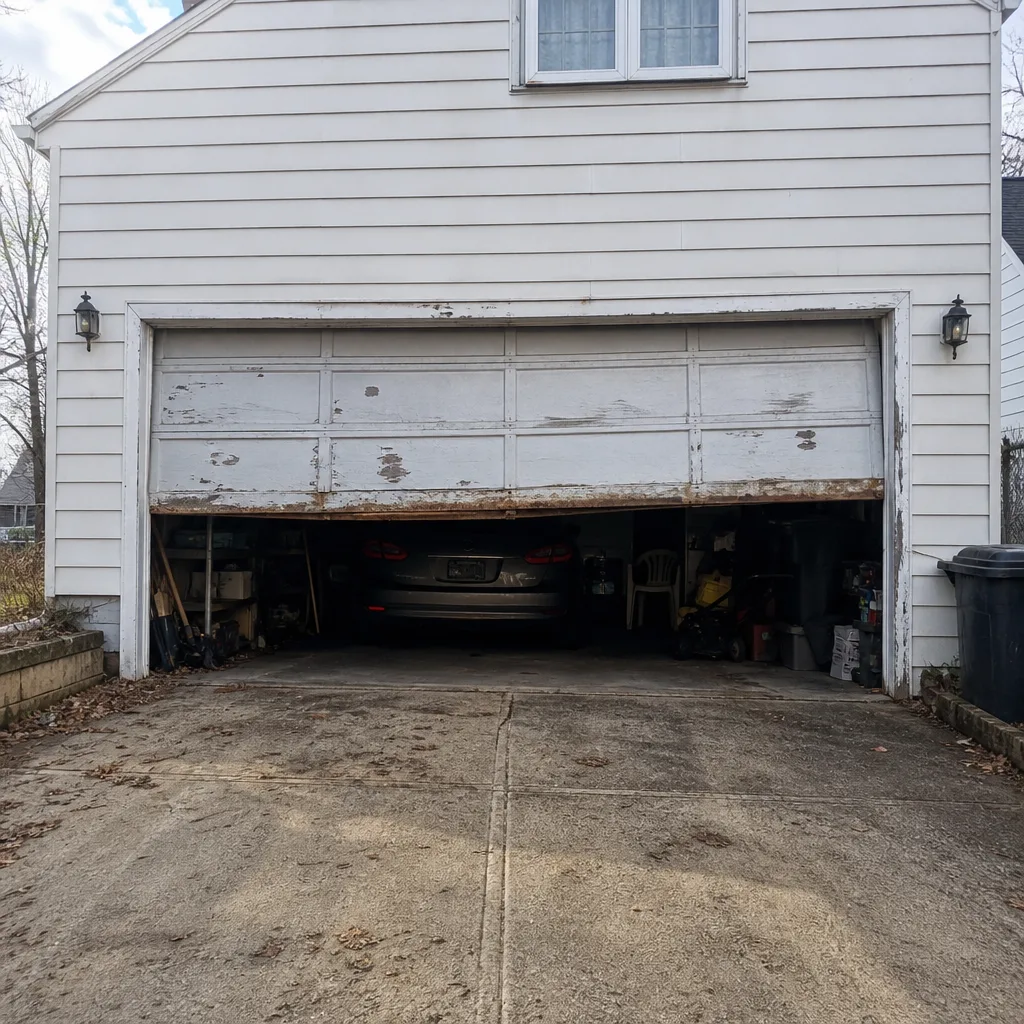 Before
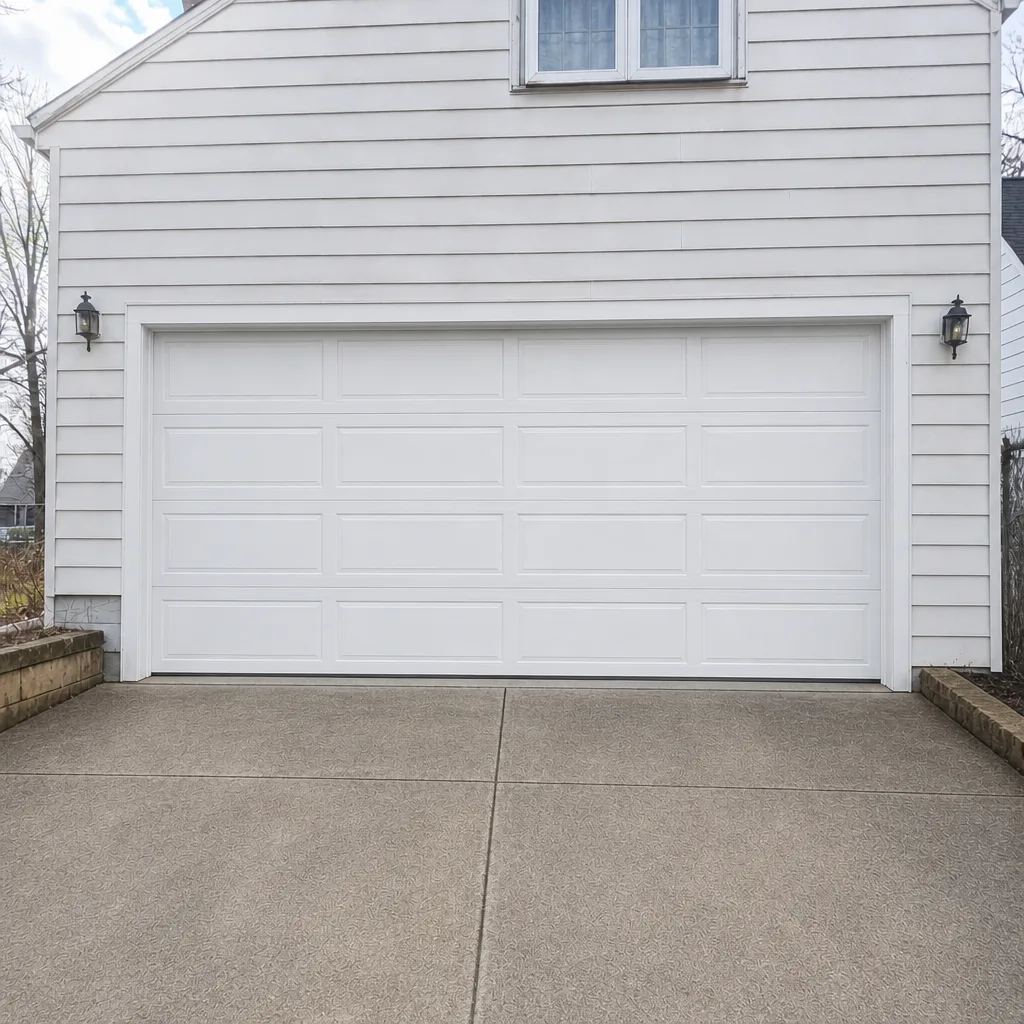 After
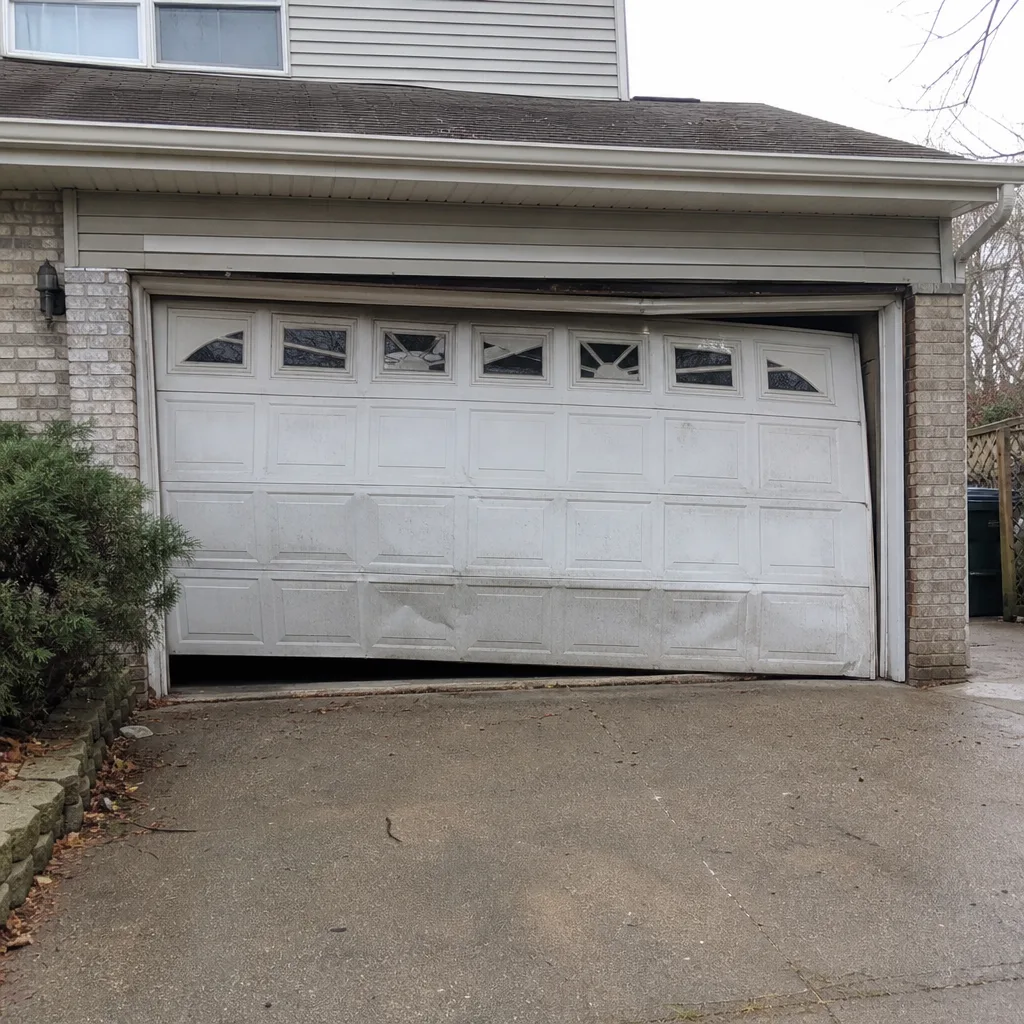 Before
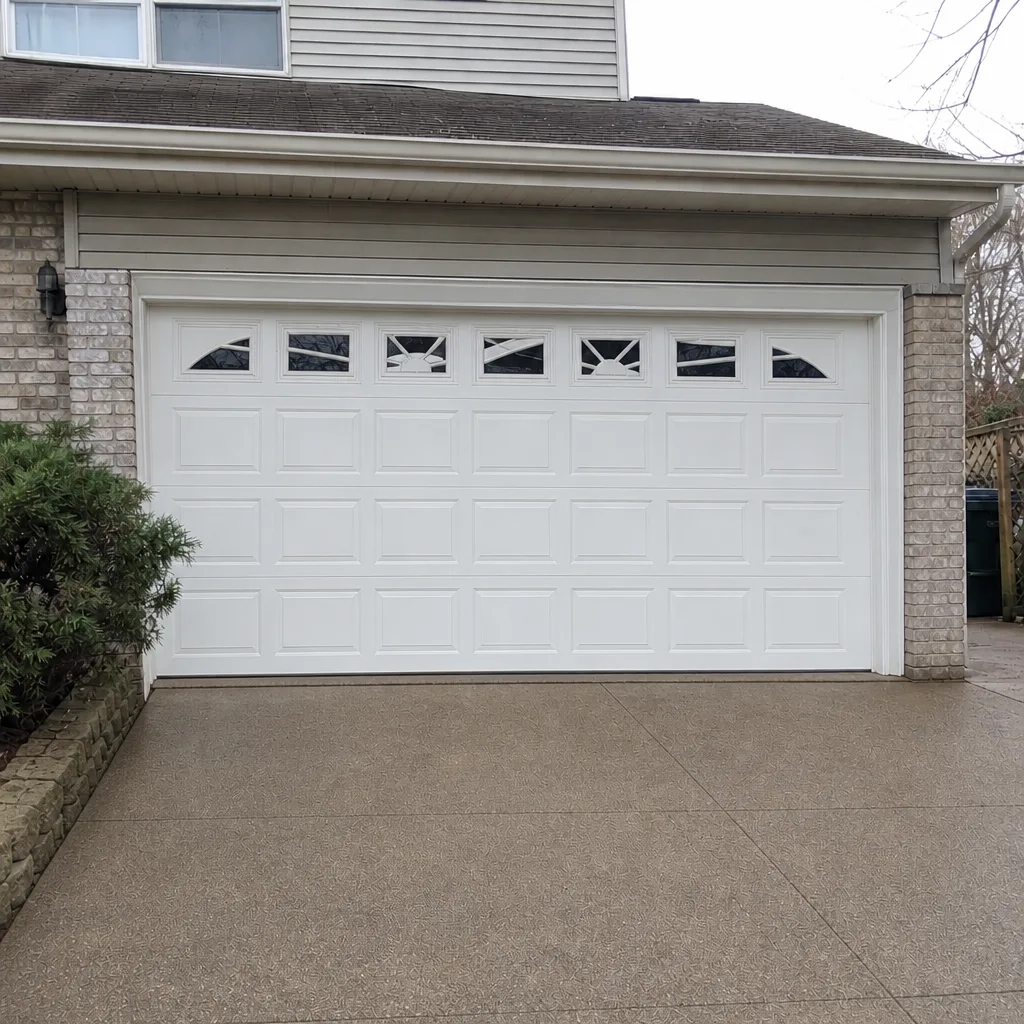 After
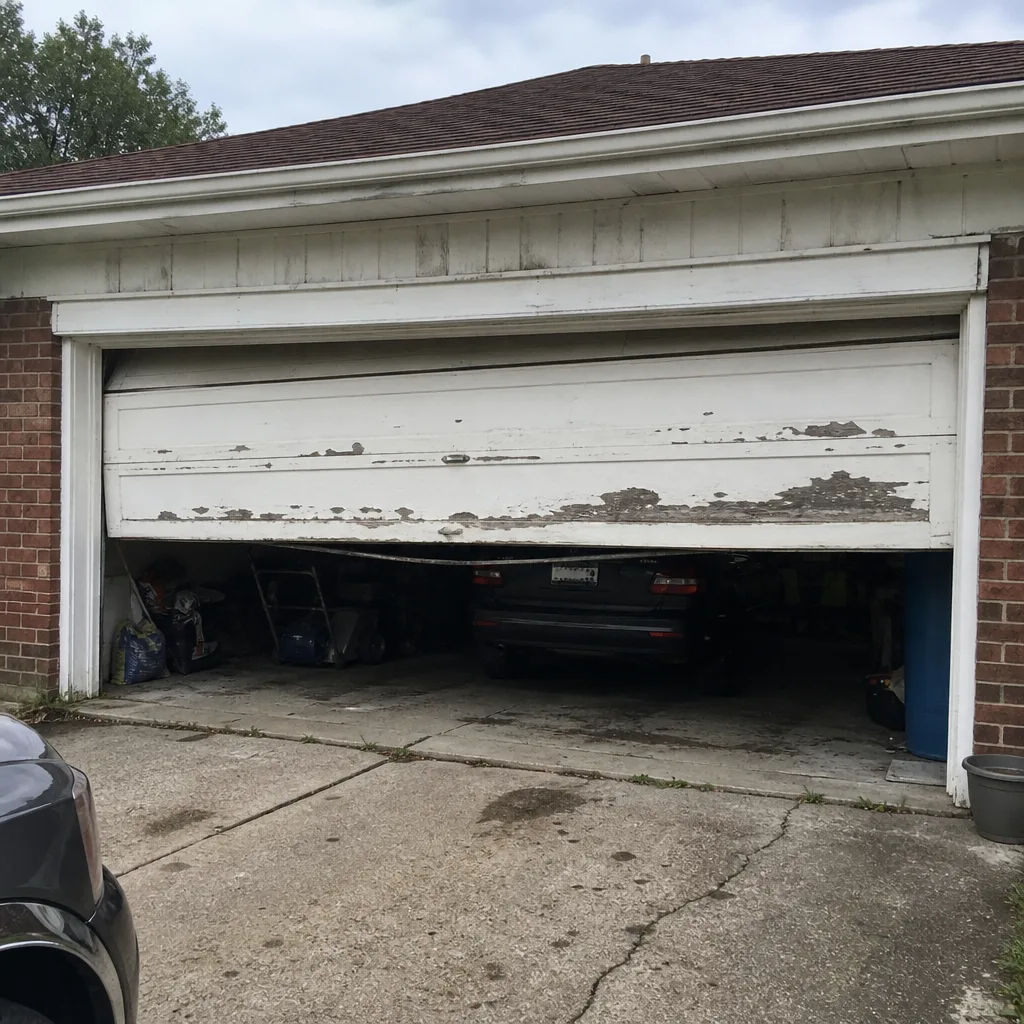 Before
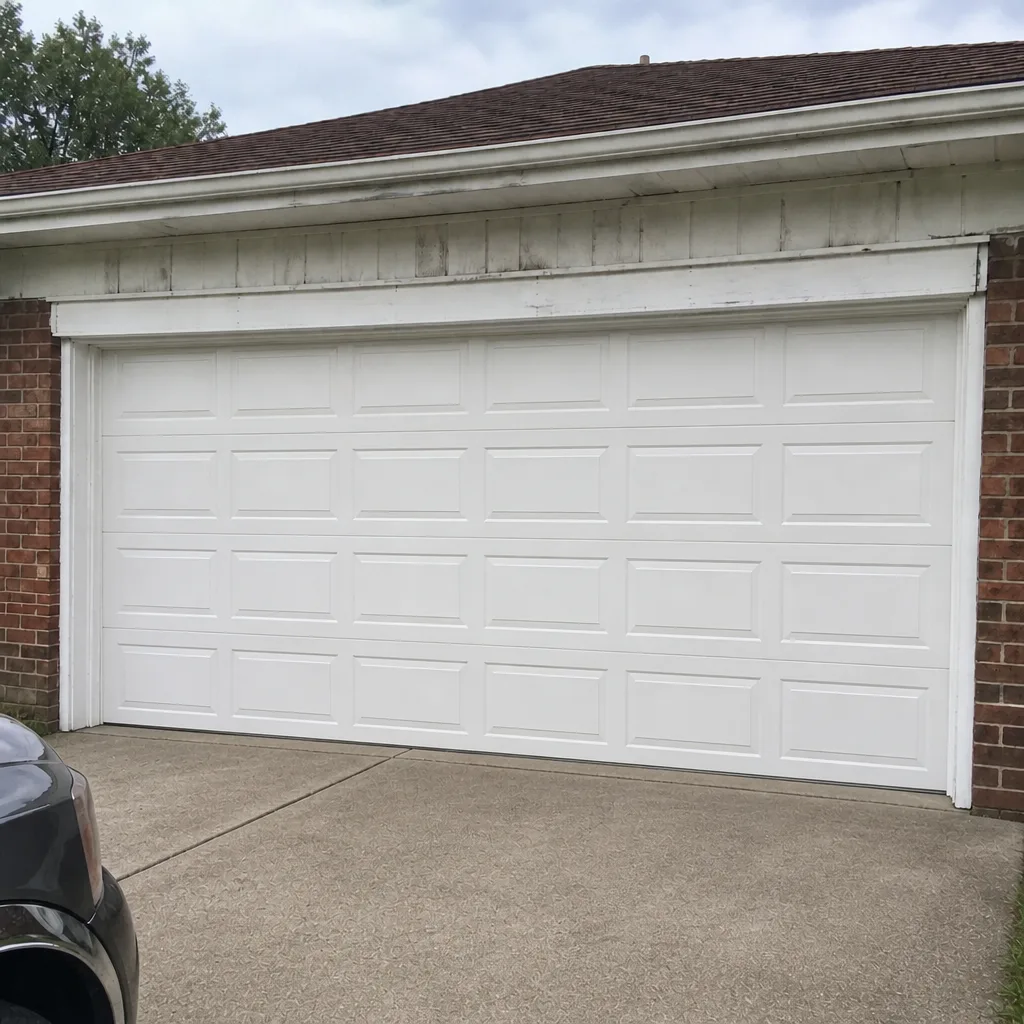 After
Frequently Asked Questions
Twice a year is the right rhythm for most Concourse homes, plus a quick visual check after any cold snap. Use lithium grease on the springs, hinges, and chain, and silicone spray on steel roller bearings. Skip the tracks, skip the cables, and skip nylon rollers entirely.
No. WD-40 strips the protective coating from a torsion spring and accelerates rust. Use lithium grease on the coils instead, and only a light film. Call (844) 542-3280 if you’re not sure what’s already on the spring.
Look for a gap in the coil, rust pitting along the wire, or uneven coil spacing. A door that feels heavier than it used to is another sign. Don’t run the door if you see a gap – call for spring repair.
The sound tells you which part to check. A steady squeal points to a dry hinge or roller bearing. A once-per-cycle thud points to a loose hinge or roller stem. A grind points to a seized roller or a jumped cable, and a snap from one side of the door means a spring has failed.
Yes. Place a 2×4 flat on the floor under the middle of the door and run it down. The door should reverse on contact. If it doesn’t, stop running the door and call for help.
Yes. A door stuck open is a security problem and a door stuck closed traps your vehicle. Call (844) 542-3280. We answer 24/7, and fast dispatch runs from 7am to 7pm, Sunday through Friday. A call outside dispatch hours is booked into the next opening. For an exact quote, call (844) 542-3280 – estimates are free.
The Bottom Line
A garage door maintenance checklist is only worth following if it’s specific. The right product on the right part (lithium grease on springs, silicone on steel roller bearings, nothing in the tracks) and the right timing (every three months for a walkaround, every six for a lubrication and test) will keep a Concourse door running longer than a vague “lubricate moving parts” routine ever will. And some of the checklist – spring adjustment, cable work, any high-tension component – belongs with a technician. Do the parts you can do safely, listen for the sounds in this guide, and call a professional when the door tells you it needs one. That’s the whole system, from the opener to the panel.
Written by the team at Garage Door Repair Concourse.