
Last updated November 21, 2026
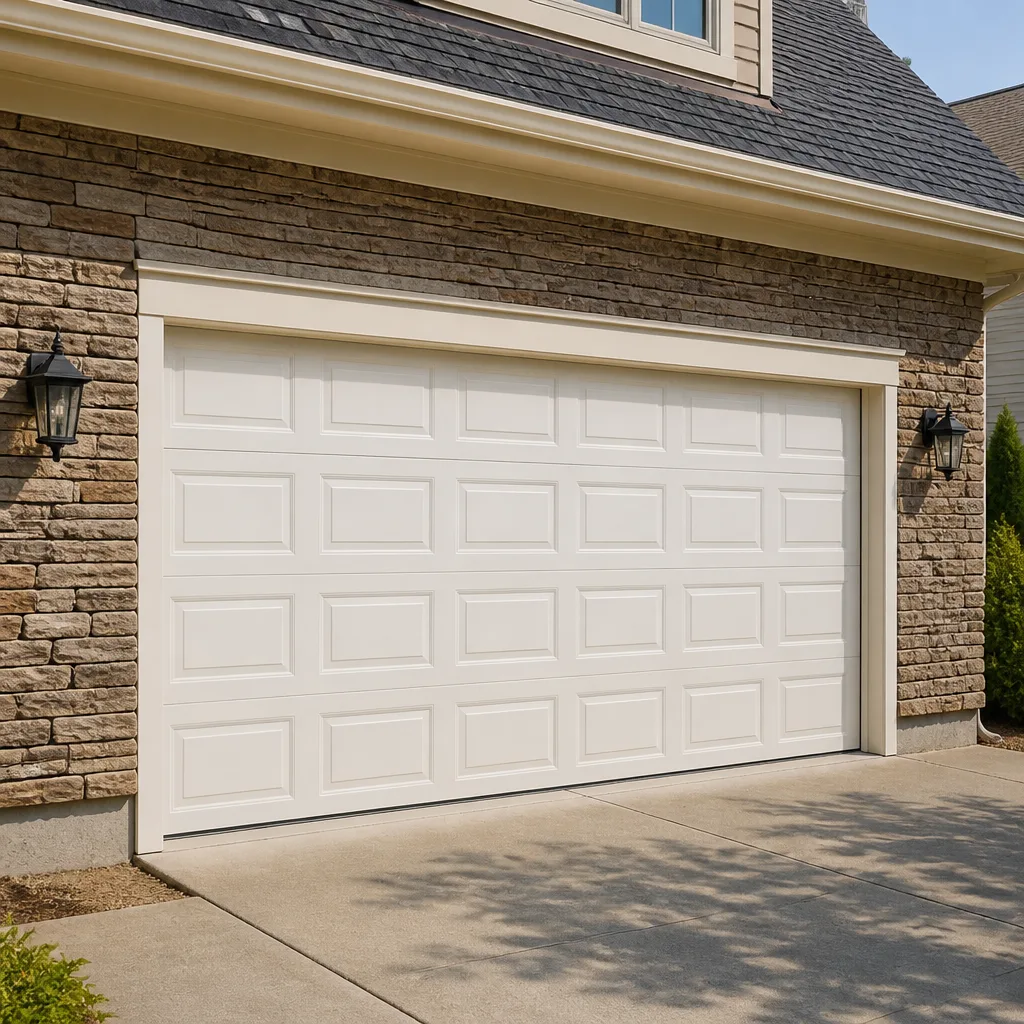 Raised-panel steel
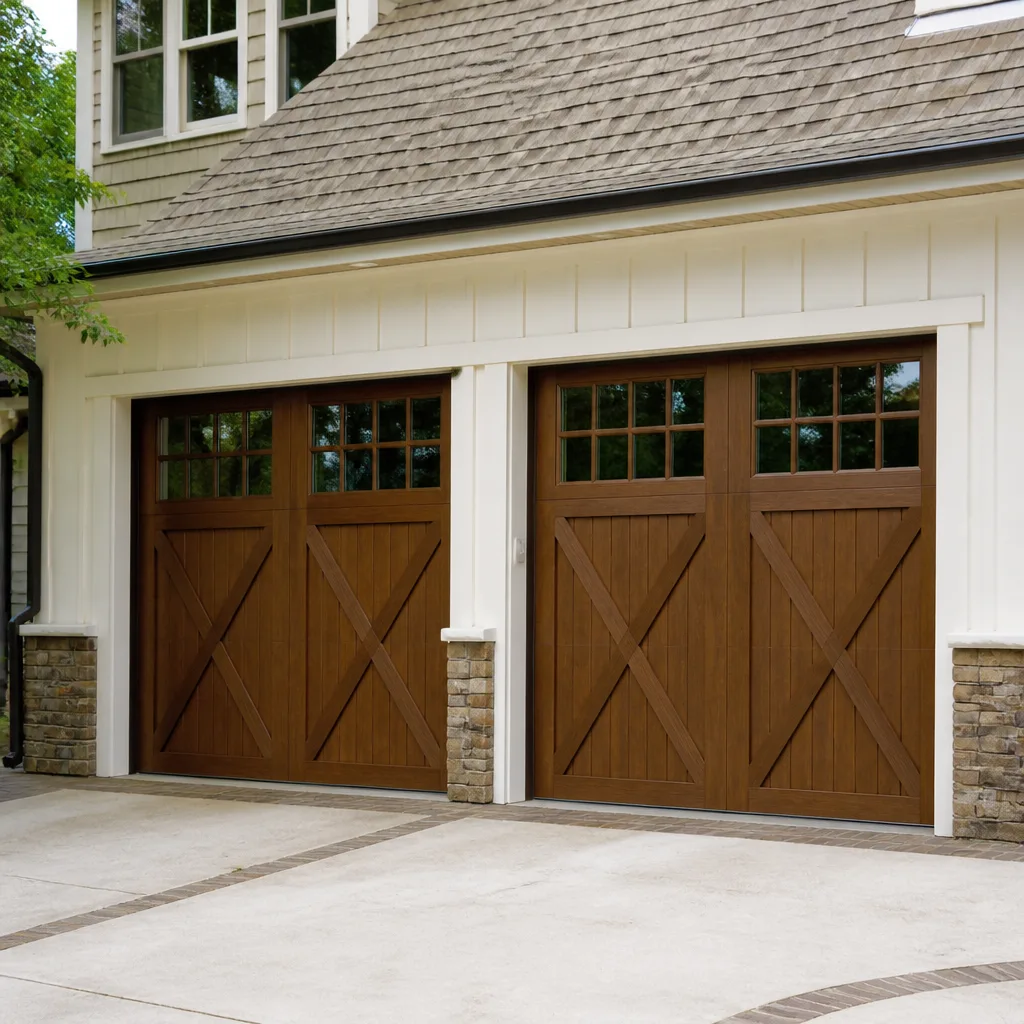 Carriage house
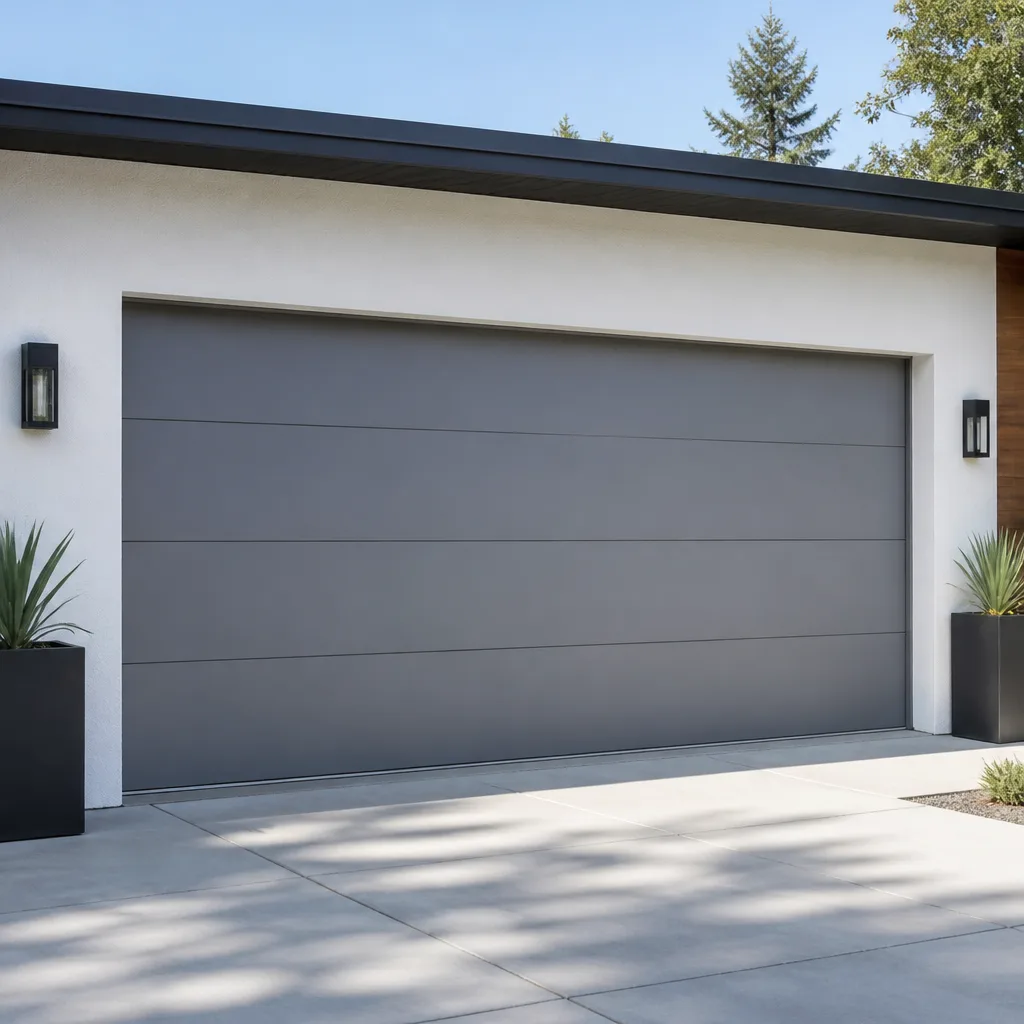 Modern flush
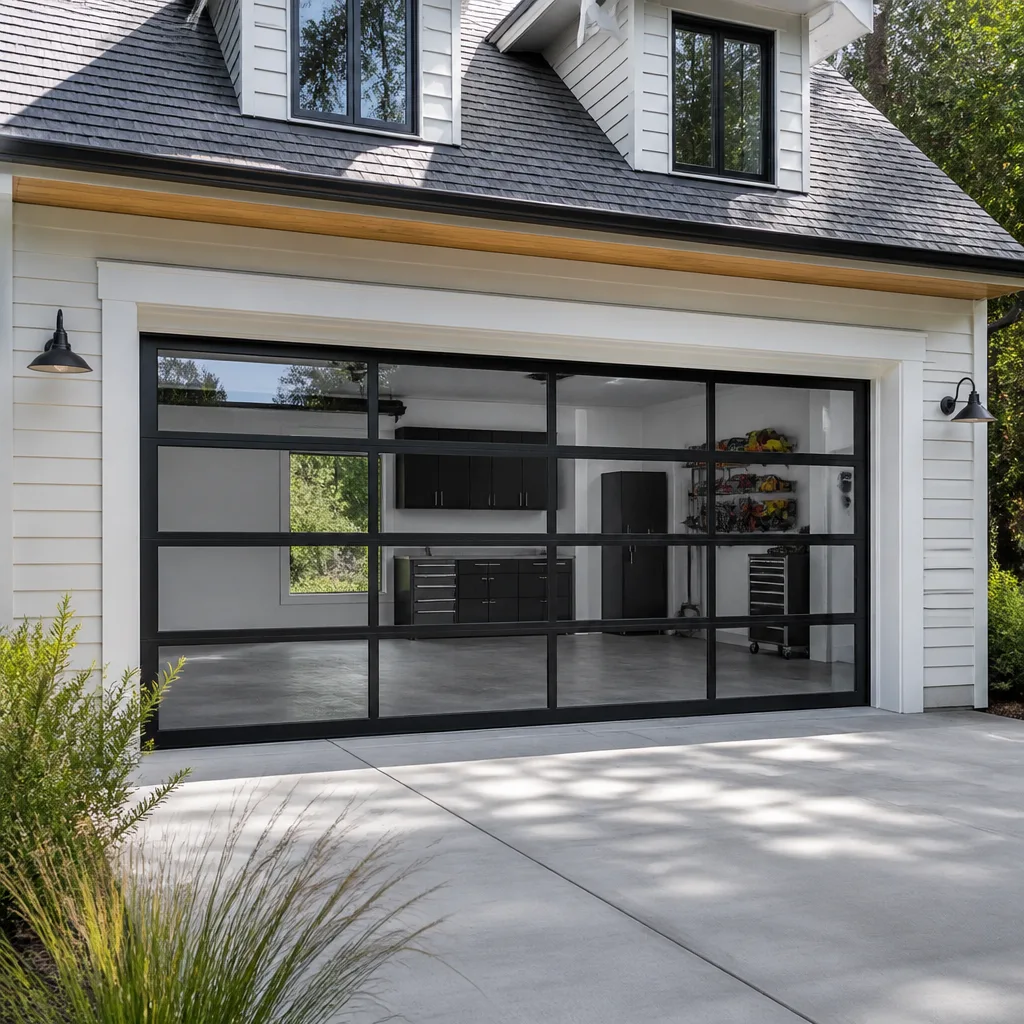 Full-view glass
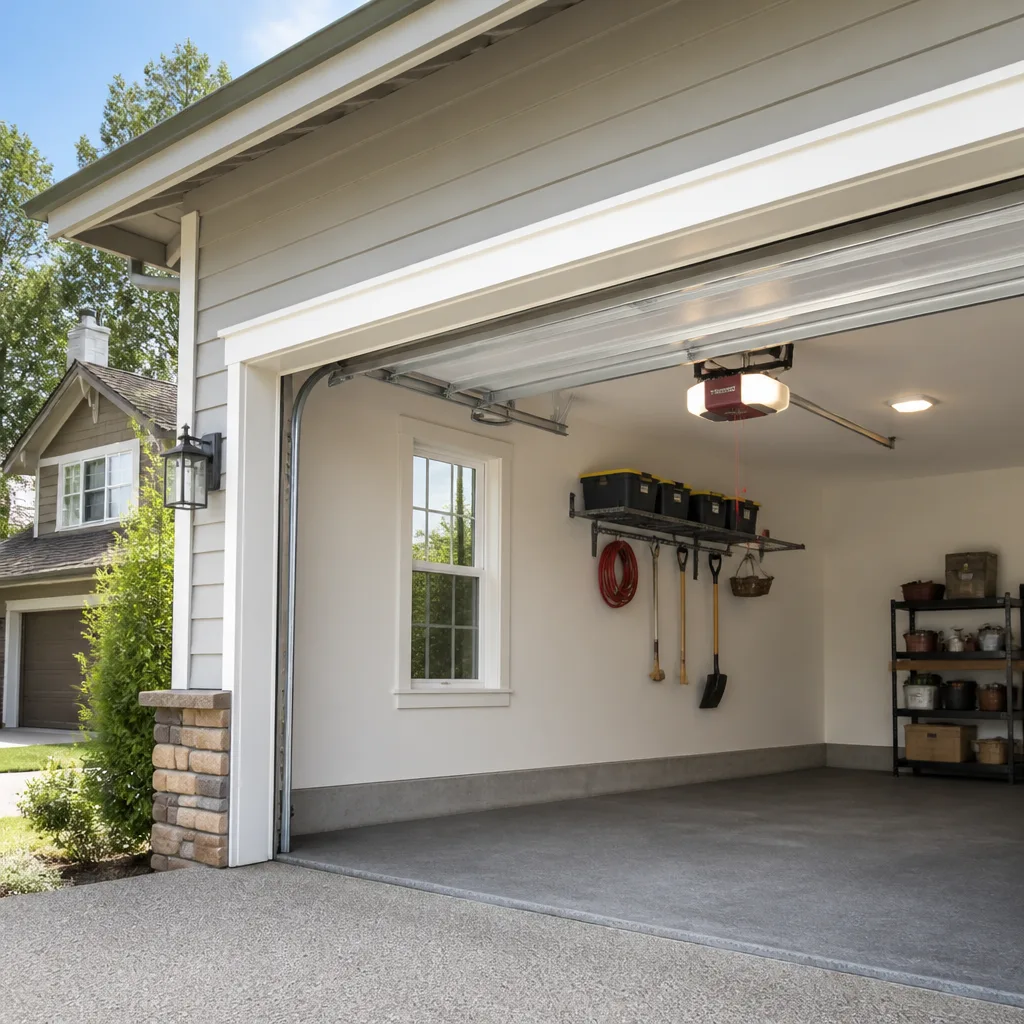 LiftMaster openers
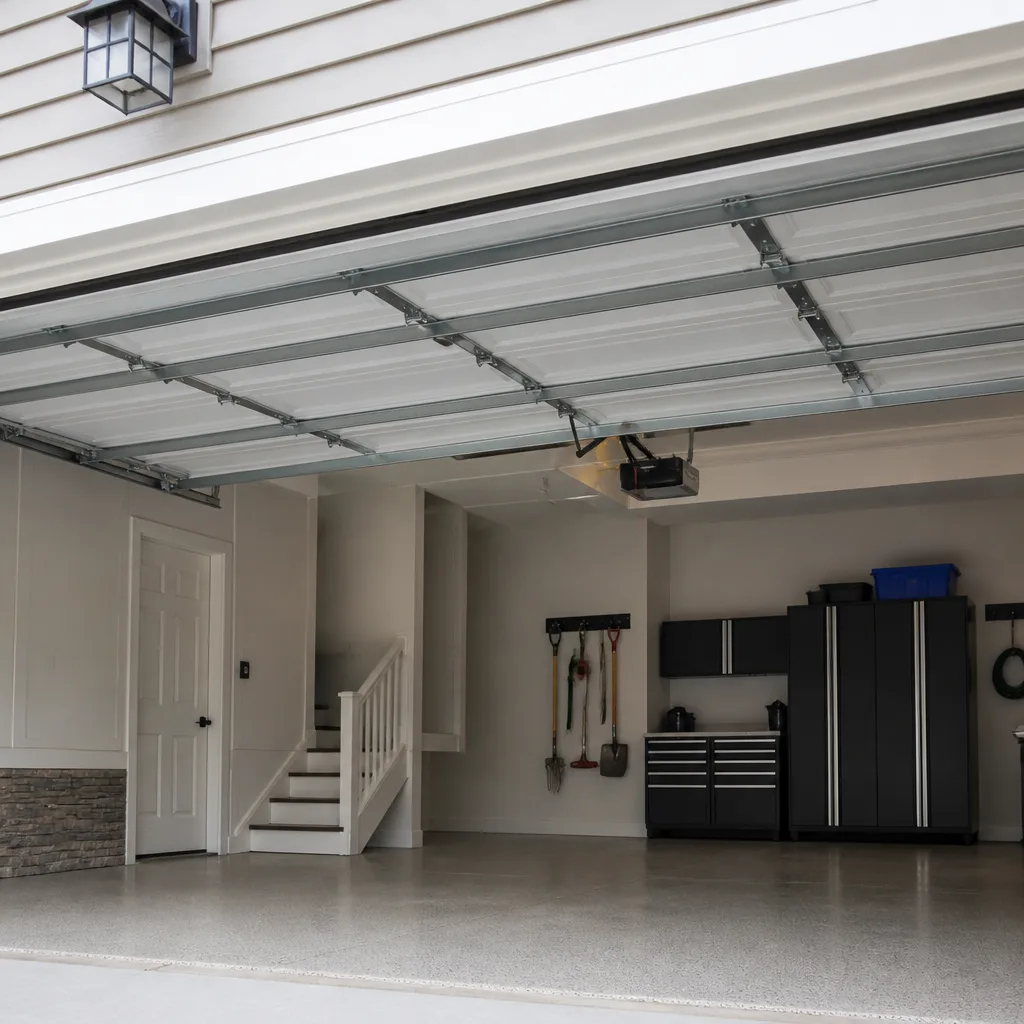 Chamberlain openers
Full 25-point door and opener safety check with every visit - springs, cables, rollers, tracks, and your LiftMaster or Chamberlain opener included
You get a price before we start. It does not change when the pro arrives.
Get your free estimateGarage Door Cost Breakdown: The Concourse Homeowner’s Reference for 2026
Most garage door cost guides give you a national average and stop there. That average hides almost everything you need to know. A spring replacement quoted at $150 on a national site can land closer to $280 in the Bronx once you account for the right spring size for a heavy steel door, a service vehicle that can legally park, and an outdated center bearing plate that has to be replaced along the way. This guide breaks down what the ten most common repairs actually cost in Concourse in 2026, what legitimately drives those numbers up, what’s just markup, and the point at which repair stops making sense and replacement starts. If you’ve been handed a quote and don’t know whether it’s fair, this is for you.
Styles & brands we work with
- Raised-panel steel
- Carriage house
- Modern flush
- Full-view glass
- LiftMaster openers
- Chamberlain openers
Quick Answer
Garage door repair in Concourse typically runs $120 to $340 for common fixes like cables, rollers, and springs, while a full door installation runs roughly $1,400 to $3,800 depending on door size, material, and whether a permit is required. Spring work sits in the middle at $180 to $340 per spring, and a matched pair costs about twice that. The written estimate sets the final price, and in Concourse the biggest cost variables are door weight, legal parking for the service vehicle, and parts availability for older systems.
Table of Contents
- The Ten Most Common Repairs in Concourse and What They Cost in 2026
- What Actually Drives Price Variation (and What’s Just Markup)
- NYC-Specific Cost Factors: Permits, Parking, and Heavy Doors
- How to Read a Quote: OEM, Aftermarket, or Remanufactured Parts
- When Repair vs. Replacement Actually Flips
- Spring Repair: Why It Costs What It Costs
- What Full Installation Costs in Concourse
- Common Mistakes to Avoid
- When to Call a Professional
- Frequently Asked Questions
The Ten Most Common Repairs in Concourse and What They Cost in 2026
Here’s the line-item breakdown we’d want if we were the homeowner. These are typical 2026 ranges for Concourse, not national averages. Your written estimate sets the actual price, and it’s free to get one.
- Torsion spring replacement (single spring): $180 to $340. A matched pair costs about twice that because both springs wear at the same rate and are almost always replaced together.
- Extension spring replacement (pair): $160 to $280. Extension springs sit above the tracks and stretch rather than twist.
- Cable replacement (one side): $120 to $220. Cables carry the door’s weight alongside the springs, and a frayed cable is a safety issue, not a nuisance.
- Roller replacement (set of 10 to 12): $140 to $260. Nylon rollers run quieter than steel, and the difference matters on a shared wall.
- Hinge replacement: $90 to $180 depending on how many are worn.
- Track realignment or replacement (single section): $150 to $350. A bent track usually means the door caught on something or a vehicle backed into it.
- Panel replacement (single section): $220 to $550. Panel cost depends on door material and whether the manufacturer still makes that profile.
- Opener repair (board, gear, or sensor): $150 to $320. LiftMaster and Chamberlain units are the most common in Concourse, and Genie systems are a close third.
- Safety sensor replacement (pair): $110 to $200. Sensors fail more often than people realize, and a misaligned sensor is the top reason a door won’t close.
- Weather seal replacement (bottom or perimeter): $90 to $220. Seals degrade faster in buildings where the door faces wind and temperature swings.
Notice the spread. A cheap quote for one repair can be genuinely lower than another and still be the worse deal if it uses a lighter-gauge spring or a remanufactured part. That’s why the number alone doesn’t tell you much. Pair it with what’s actually being installed and you can compare apples to apples.
If you’ve already got a technician coming out, it’s worth asking whether they service your specific brand before they arrive. We work on Clopay, Amarr, Wayne Dalton, and Raynor doors alongside LiftMaster, Chamberlain, Genie, and Craftsman openers, so there’s rarely a reason to call a second company when a repair turns into a bigger job. If your door is stuck and you need someone today, garage door repair is where to start.
What Actually Drives Price Variation (and What’s Just Markup)
Two homeowners on the same block can get quotes that differ by $100 for what sounds like the same repair. Sometimes that’s legitimate. Sometimes it’s a lighter spring and a longer drive. Here’s how to tell the difference.
Legitimate cost drivers:
- Spring size and wire gauge. A heavier steel door needs a heavier spring. A residential door that weighs 180 pounds uses a different spring than one that weighs 130. A shop that stocks only one size will either overcharge for the correct one or install the wrong one.
- Door weight and construction. Steel, wood, and insulated doors all load the springs differently. Older wood doors in Concourse tend to be heavier and less balanced than newer steel panels, which means more labor to get the tension right.
- Access constraints. This is where Concourse pricing gets specific. Double-parked service vehicles, tight alleys, narrow driveways, and buildings where the garage sits below grade all add time to a job. If a technician has to carry a 200-pound door section up a narrow stairwell, that’s real labor.
- Parts availability for older systems. A door installed 25 years ago may need a discontinued panel or a spring size that isn’t on every truck. Sourcing it takes time, and the price reflects that.
- Emergency timing. A door stuck open on a cold night is a security problem. When you need someone fast, you’re paying for the schedule, not the parts.
What’s just markup:
- A spring quoted at three times its part cost with no explanation of size or gauge.
- “Diagnostic fees” that vanish if you approve the repair, then reappear on the invoice if you don’t.
- Upcharges for “premium” hardware with no brand name attached.
- Quotes that don’t break out labor from parts. If you can’t see the line items, you can’t compare them.
The honest version of a quote tells you what part is going in, why that part, and what labor it takes. Anything short of that is a number you should question. Call (844) 542-3280 if you want a second set of eyes on a quote you’ve already got. We answer 24/7, and estimates are free.
NYC-Specific Cost Factors: Permits, Parking, and Heavy Doors
National cost guides were written for suburbs with driveways. Concourse isn’t that, and the difference shows up on the invoice. Here’s what to expect when you’re budgeting.
Permits. Most cities require a permit for a new garage door installation, and New York is no exception. Permit requirements vary by building type and whether the door faces a street or a shared lot. Ask your city’s building department what applies to your address before you sign a contract, and expect the permit cost to show up as a separate line on the quote. A company that skips the permit conversation is a company you should slow down on.
Parking. This is the factor no national guide accounts for. A service truck that can’t park legally doesn’t get the job done. In Concourse, that means planning around alternate-side parking, narrow one-way streets, and buildings where the only access is a tight alley or a shared driveway. The labor time reflects it. So does the price, honestly.
Double-car and heavy doors. A wide double-car door carries more weight than a single. That means heavier springs, a stronger opener, and sometimes a reinforced center bearing plate. A door that was originally installed with a single spring and has since been upgraded to a wider panel often needs new springs to match. That’s not upsell. It’s physics.
Building stock. Many Concourse garages were built decades ago and have been modified since. We regularly see older doors paired with newer openers, mismatched springs, and center bearing plates that were never updated when a door was replaced. If your door has an outdated bearing plate, a straightforward spring replacement may turn into a two-part job. Better to know that going in.
If your situation is more than a repair, garage door installation is where to look next. For everything else, we’ve got the diagnostic experience to tell you which side of that line you’re on. Our technicians have up to 14 years of experience working across the brand mix you’re likely to find installed in this neighborhood.
How to Read a Quote: OEM, Aftermarket, or Remanufactured Parts
The same repair quoted at two prices can be a fair deal or a bad one, depending on what part is going in. Here’s how to tell.
- Ask for the part brand and model. A Clopay panel isn’t the same as a generic replacement. A LiftMaster opener board isn’t the same as an aftermarket clone. If the quote doesn’t name the part, ask.
- Understand the three categories. OEM means original equipment from the door or opener manufacturer. Aftermarket means a third-party part made to fit. Remanufactured means a used part that’s been rebuilt. All three can work. They don’t all last the same amount of time.
- Check the warranty language. A part with a one-year warranty is telling you something different than a part with a five-year warranty. Ask what’s covered and for how long.
- Ask why this part. A technician who can explain why they’re using a specific spring size or a specific roller type is a technician who knows what they’re doing.
- Look for line-item detail. Parts, labor, permit (if applicable), and disposal should each have their own line. A single lump-sum number with no breakdown is a number you can’t audit.
In our experience, the most common place homeowners get burned is a spring replacement using a lighter-gauge spring than the door actually needs. It fits, it works, and it fails sooner than it should. The right question to ask before work starts is simple: what size spring, and why that one. If the answer doesn’t reference your door’s weight and height, that’s a red flag.
For opener-specific questions, garage door opener repair covers the board, gear, and sensor side of the conversation. And if your door has stopped moving entirely, that’s an emergency, not a quote conversation.
When Repair vs. Replacement Actually Flips
There’s a specific threshold where repair stops making financial sense, and it’s more predictable than most guides admit. Here’s the rule we use:
If a single repair costs more than 40% of a new installation, replace. That’s the threshold. It’s not a hard rule, but it’s a reliable one. A door that needs $900 in repairs when a new installation runs $2,200 is telling you something.
Here’s what pushes a door toward replacement:
- Multiple panel failures. One panel is a repair. Three panels is a replacement.
- Repeated spring failures within a few years. This usually means the original springs were undersized for the door weight. New springs on an old, unbalanced door may fail again.
- A bent or rusted track along its full length. Track sections can be replaced, but a full track replacement approaches installation cost.
- Outdated opener that no longer has parts available. If your opener’s control board is discontinued and the replacement part costs more than a new unit, replacement is the rational call.
- A door that was never the right size for the opening. Sometimes the original installation was wrong. In that case, repair just extends a problem.
Here’s what keeps a door on the repair side:
- A single spring, cable, or roller failure on an otherwise sound door.
- An opener that needs a gear or sensor replacement, not a full unit.
- A door with good balance and alignment that just needs hardware refreshed.
If you’re on the fence, the answer usually comes down to one question: how many more years will this door realistically give you if you repair it today? If the answer is under five, replacement is the better spend. Call us and we’ll give you a straight number on both options, free.
Spring Repair: Why It Costs What It Costs
Torsion springs are the most misunderstood part of garage door pricing, and the most dangerous. A torsion spring under load holds enough energy to cause serious injury if it releases unexpectedly. This is safety work, not a DIY project, and the price reflects that.
A single torsion spring replacement in Concourse typically runs $180 to $340. A matched pair costs about twice that, and in almost every case you should replace both at once. Here’s why: springs wear at the same rate. If one fails, the other is close behind. Replacing one now and the other in six months means paying for two service visits instead of one.
What drives the price up or down:
- Door weight. Heavier doors need heavier springs, which cost more.
- Spring type. Standard torsion springs are the most common. High-cycle springs last longer and cost more upfront, but they’re a better value on a door that gets used daily.
- Access. A spring above a car that can’t be moved, or in a tight garage with limited clearance, adds labor time.
- Bearing plates and drums. If the spring failed because the bearing plate was worn, replacing just the spring is a waste. A technician who ignores the bearing plate is doing half a job.
What you should not do: attempt a spring replacement yourself. This is the specific repair where the injury risk is highest, and it’s the one repair we recommend every homeowner hand off. No exceptions.
If your door is stuck and the spring is the suspected cause, that’s an emergency call. We answer 24/7 and dispatch Sunday through Friday, 7am to 7pm. Call (844) 542-3280.
What Full Installation Costs in Concourse
New garage door installation in Concourse typically runs $1,400 to $3,800 for a standard residential door. The range is wide because the variables are wide. Here’s how the numbers break down.
- Single-car steel door: $1,400 to $2,200 installed.
- Single-car insulated steel door: $1,800 to $2,800 installed.
- Double-car steel door: $2,200 to $3,200 installed.
- Double-car insulated or wood door: $2,800 to $3,800 installed.
- Opener installation (if bundled with new door): $250 to $500 in addition to the door price.
- Permit cost: varies by building type and address. Ask your city’s building department.
What pushes the price toward the top of these ranges:
- Custom sizing or non-standard opening dimensions.
- Premium materials like wood or full-view glass.
- Complex installation (below-grade garage, limited access, structural repairs needed).
- Brand-specific door systems where the manufacturer controls the parts pipeline.
What keeps it toward the bottom:
- Standard sizing on an opening that’s already properly framed.
- Steel construction in a standard profile.
- Bundling the opener with the door so the technician is already on site.
Installation is a scheduled job, not a same-day one. It involves measuring, ordering, and scheduling, and we’ll give you a written quote before any work begins. If you’re exploring options, garage door installation covers the full process. If you’re coming from a repair situation where replacement turned out to be the right call, Garage Door Repair Concourse is the main hub for everything we do.
Common Mistakes to Avoid
- Accepting a lump-sum quote with no line items. Without a parts-and-labor breakdown, you can’t tell whether you’re paying for a quality spring or a cheap one. Ask for the breakdown before you sign anything.
- Replacing one torsion spring instead of the pair. Both springs wear at the same rate, so a single replacement means a second service call and a second labor charge within months. Do both at once.
- Skipping the permit conversation. Most cities require a permit for a new installation, and a contractor who dodges the question is a contractor you should slow down on. Ask your building department directly.
- Hiring a general handyman for spring work. Spring repair is high-tension safety work, and it’s not a job for someone who hasn’t done it hundreds of times. The injury risk is real and the cost of getting it wrong is steep.
- Ignoring the bearing plate. A worn center bearing plate can cause a new spring to fail early. Ask specifically whether the plate is being checked or replaced.
- Quoting national averages as if they apply locally. A $150 spring replacement that assumes a suburban driveway isn’t the same job as a Concourse garage with a double-parked service vehicle and a below-grade entry. Budget for the local reality.
- Assuming a repair is always cheaper. When repair costs exceed roughly 40% of a new installation, replacement is the better financial call. Run the math before committing to a fix.
When to Call a Professional
Some repairs are cosmetic. Some are genuinely dangerous. Here’s where the line sits.
Call a professional if the door won’t close all the way, if a spring has visibly broken, if you hear a loud snap from the garage, if the door is sagging on one side, if a cable is visibly frayed, or if the door reverses unexpectedly on the way down. Call immediately if the door is stuck open (security risk) or stuck closed (a vehicle is trapped and can’t leave).
For the small stuff – a noisy roller, a misaligned sensor, a remote that won’t pair – you can often handle it yourself or book a non-urgent visit. But when the door is compromised or the spring is involved, don’t wait. Spring work is safety work, and a door that’s been running on a bad spring is a door that can fail without warning.
Garage Door Repair Concourse offers free estimates in Concourse. Call (844) 542-3280. We answer 24/7, and fast dispatch is available from 7am to 7pm, Sunday through Friday.
Frequently Asked Questions
Typical Concourse garage door repair ranges from $120 to $340 for common fixes like cables, rollers, hinges, and springs, with the final price set by a written estimate before work begins. A single torsion spring replacement runs $180 to $340, and a matched pair costs about twice that. Call (844) 542-3280 for an exact quote – estimates are free.
Yes, in most cases. We answer 24/7 and offer fast dispatch from 7am to 7pm, Sunday through Friday, for stuck doors and emergency situations. If you’re calling outside those dispatch hours, we’ll book you into the next opening. Call (844) 542-3280 and we’ll get you scheduled.
No. The written estimate is the price. If we open up a door and find something unexpected, we stop and talk to you before any additional work starts. You approve the revised number before we continue. That’s the standard we hold ourselves to, and it’s the reason we give written estimates rather than verbal quotes. Call (844) 542-3280 to schedule an estimate.
The local professionals we connect you with are licensed and insured as their state requires. We work with technicians who have specific experience across major brands – Clopay, Amarr, Wayne Dalton, and Raynor doors, plus LiftMaster, Chamberlain, Genie, and Craftsman openers – so they know your system before they arrive. Call (844) 542-3280 with questions about your specific setup.
Torsion springs mount horizontally above the door and twist to counterbalance the door’s weight, while extension springs sit above the tracks on either side and stretch. Torsion springs are more common on heavier and newer doors in Concourse, and they’re the type most homeowners will encounter. Both cost roughly the same to replace, but torsion springs are the ones we recommend replacing in pairs because they wear at identical rates. Call (844) 542-3280 if you’re not sure which type your door has.
One panel is almost always a repair. Three or more panels on a door that’s otherwise aging usually means replacement is the better spend. The threshold we use is whether the repair cost exceeds roughly 40% of a new installation. If it does, replace. If it doesn’t, repair. Call (844) 542-3280 and we’ll walk through both options with you and give you a written number on each.
The Bottom Line
Garage door costs in Concourse are not the same as national averages, and the difference comes down to three things: door weight and the correct spring size for it, legal parking and access constraints that add real labor time, and NYC permit and building-stock realities that national guides ignore. Use the line-item ranges in this guide as a starting point, ask for a written estimate with parts and labor broken out, and know the repair-versus-replace threshold before you commit. Spring work is safety work – don’t attempt it yourself. For everything else, a free estimate and a straight answer is the fastest way to know where you stand.
Call (844) 542-3280 for a free estimate. We answer 24/7, with fast dispatch from 7am to 7pm, Sunday through Friday. Free estimates, upfront pricing, and a written quote before any work starts.
Written by the team at Garage Door Repair Concourse.
See the difference
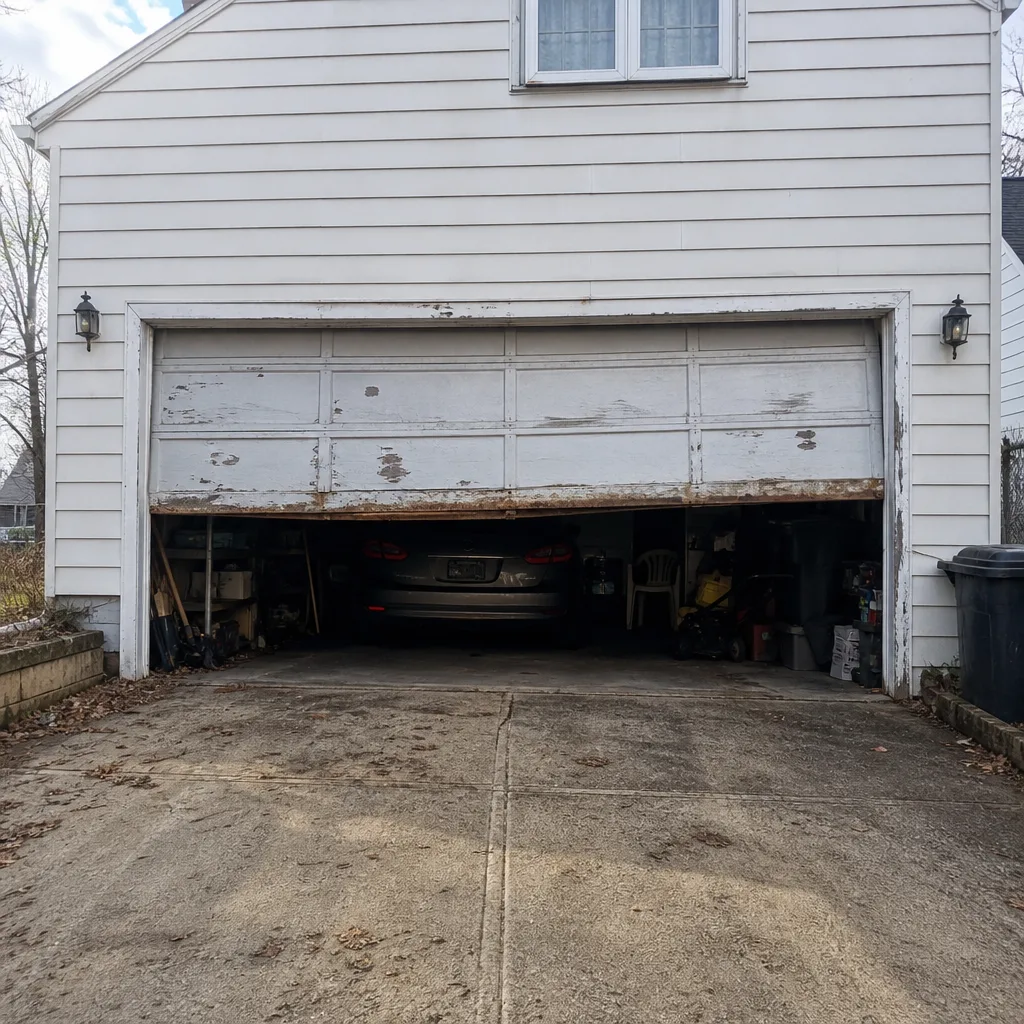 Before
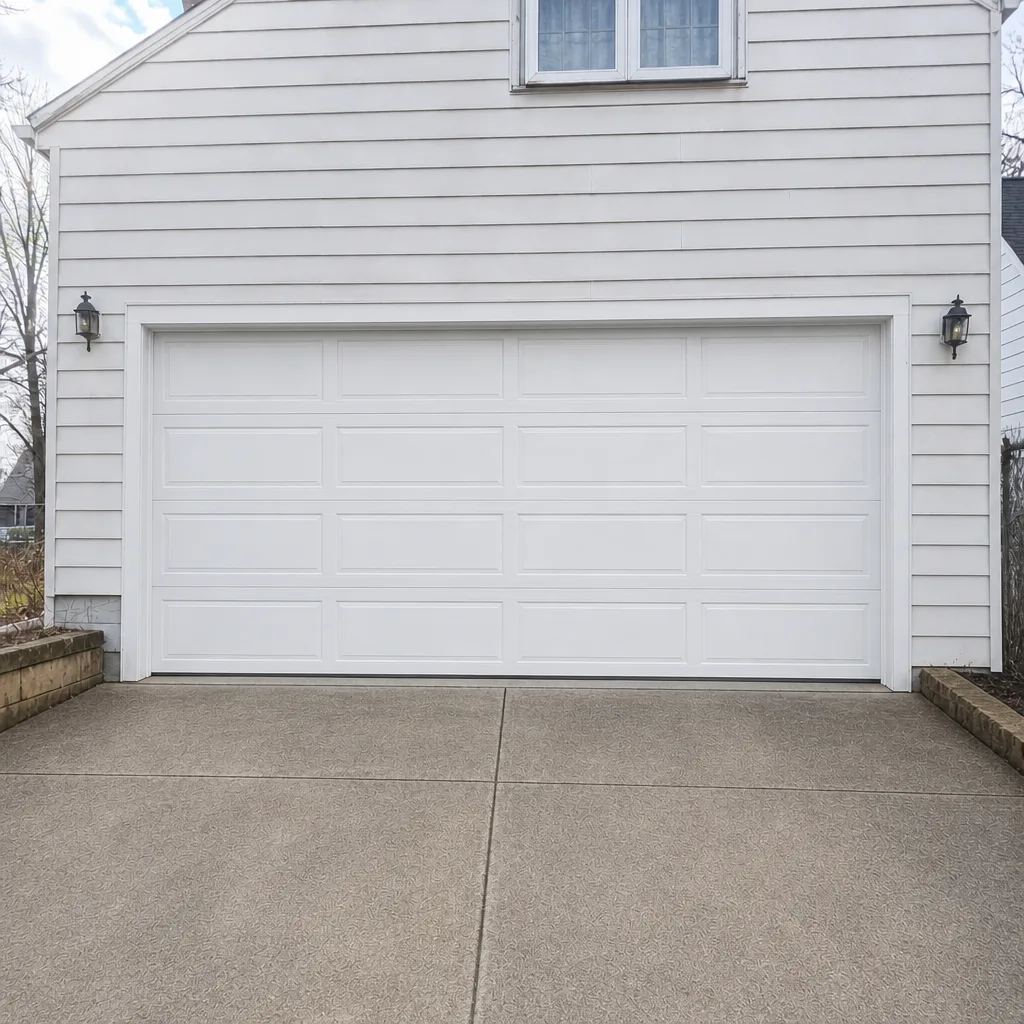 After
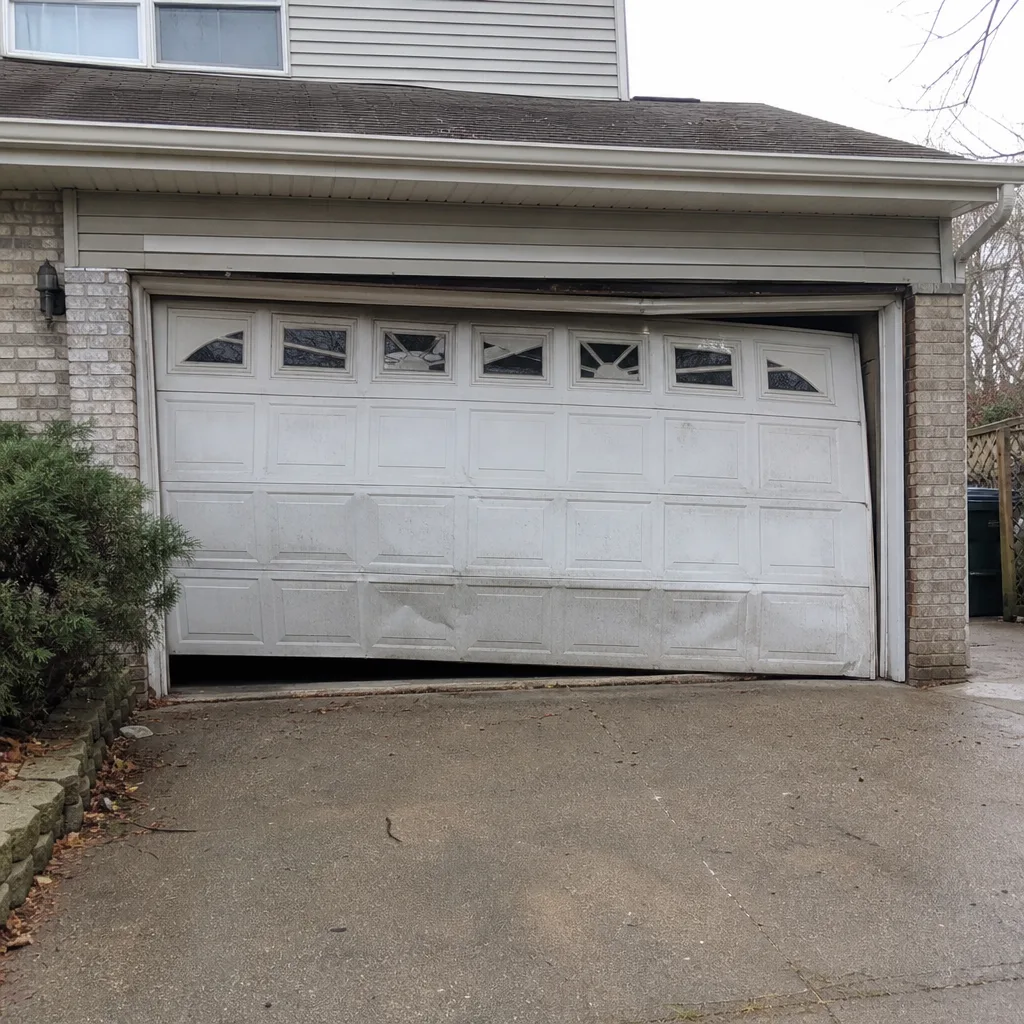 Before
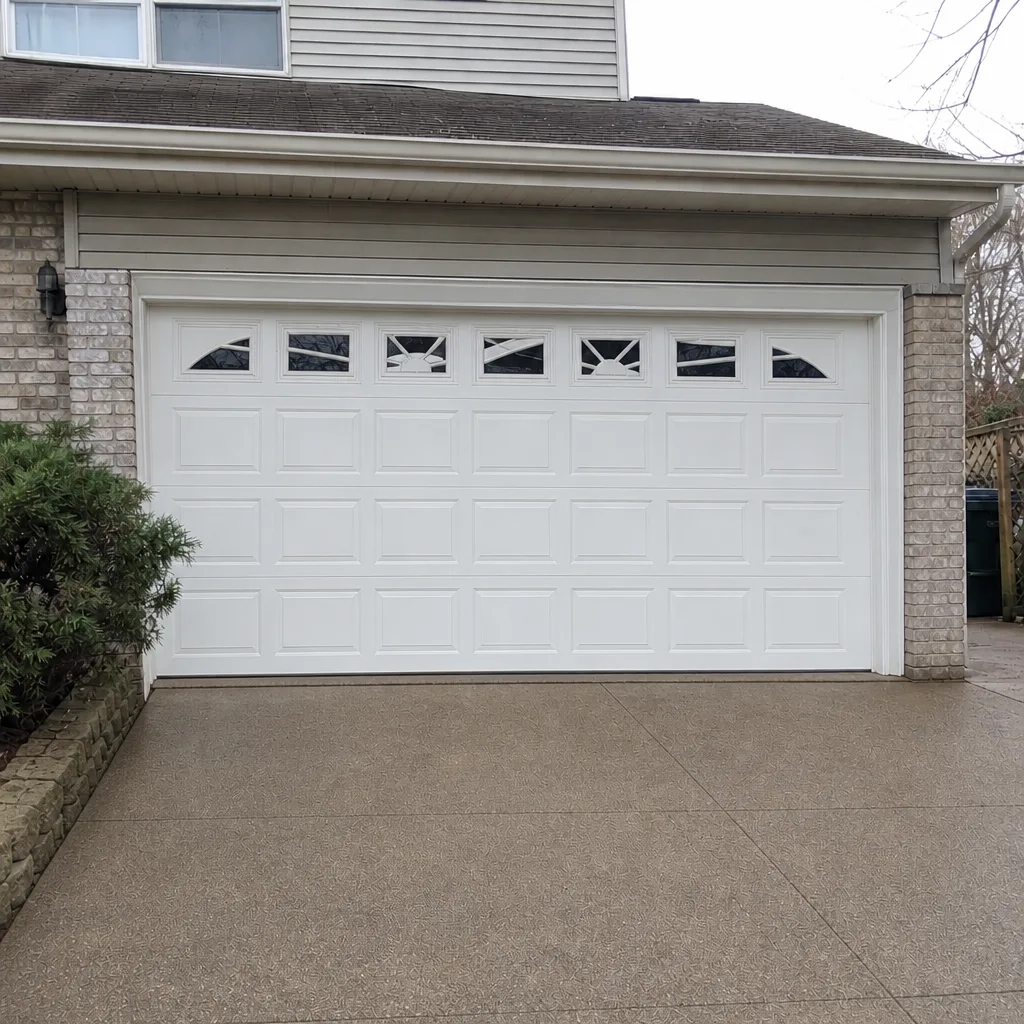 After
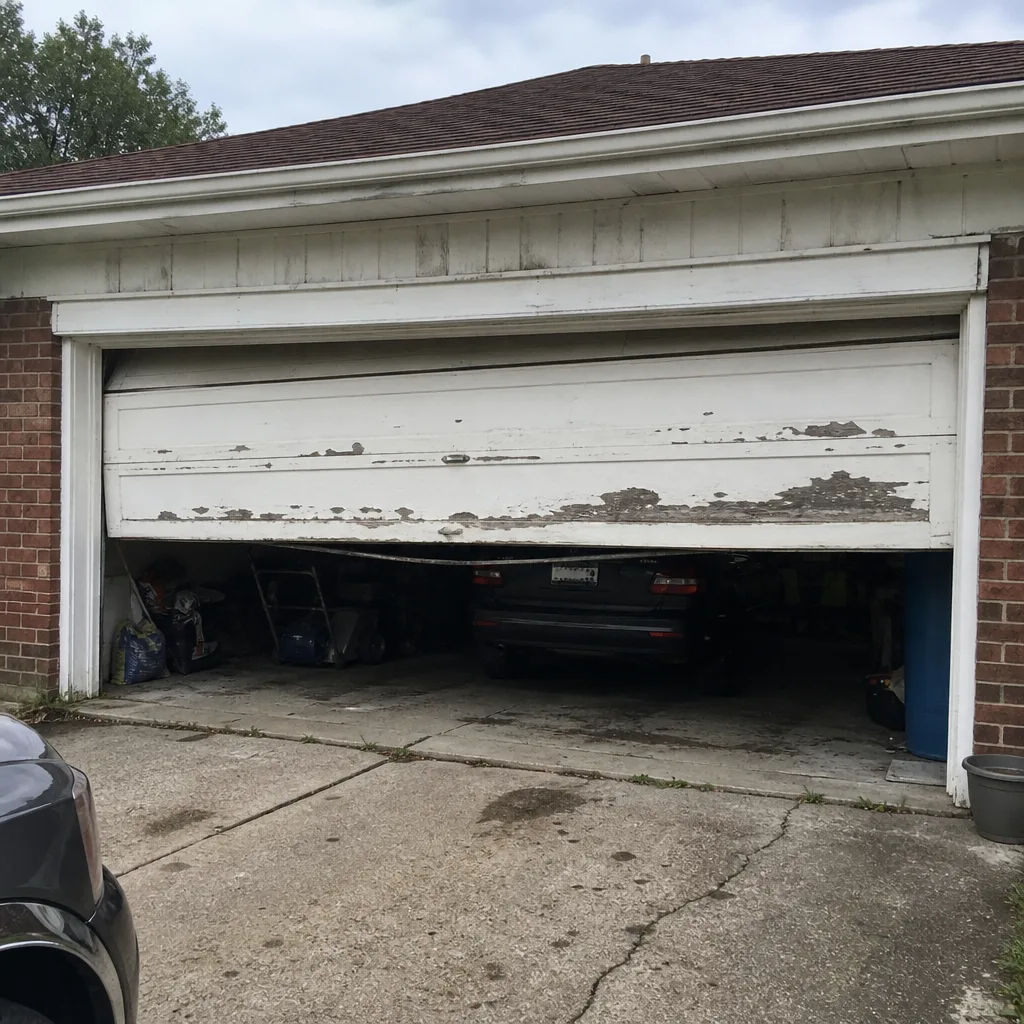 Before
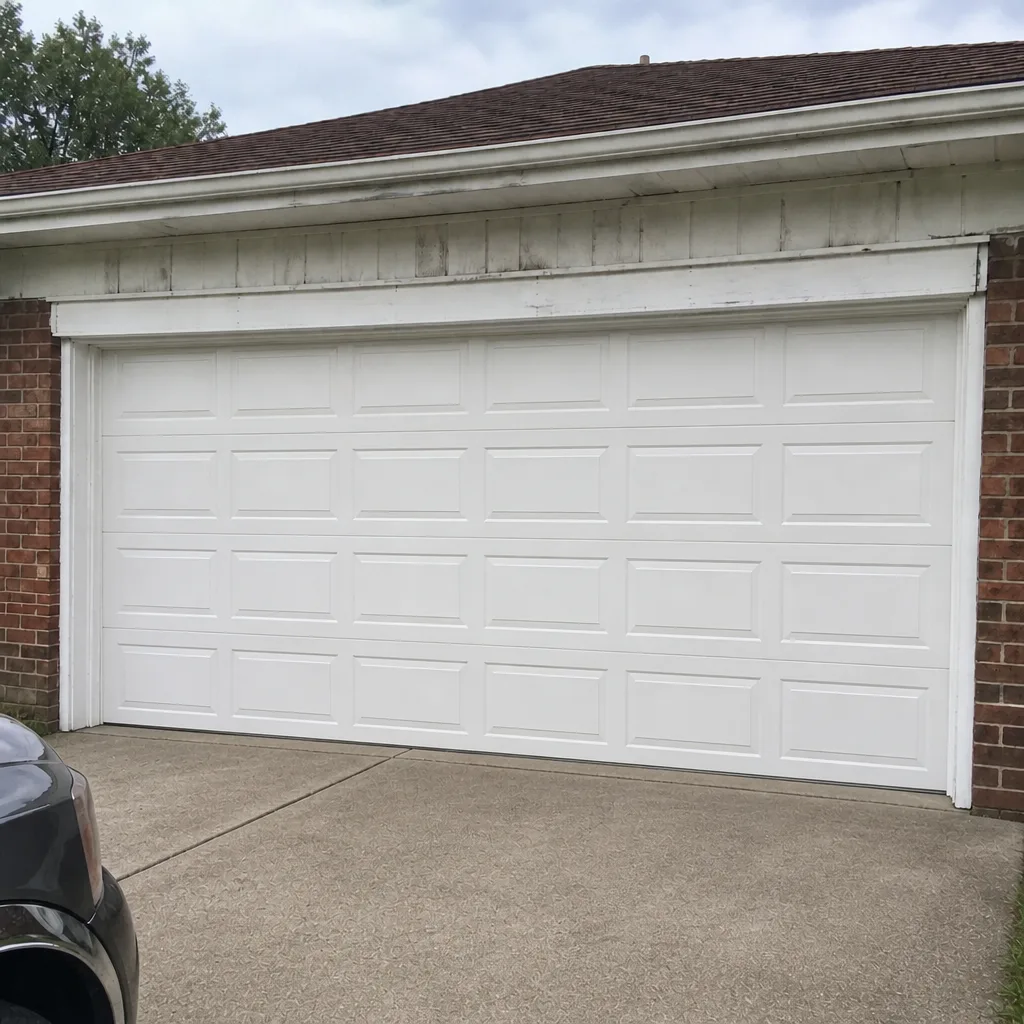 After